
Medical-Grade Skincare vs Drugstore Products:
What Actually Works?
The skincare industry has grown dramatically over the past decade, with thousands of products now available in pharmacies, beauty retailers, and online marketplaces. Many promise smoother skin, fewer wrinkles, and brighter complexions.
With so many options available, one of the most common questions patients ask is whether medical-grade skincare actually performs better than drugstore products.
While both categories can play a role in skincare routines, they differ significantly in terms of:
- ingredient concentrations
- formulation science
- clinical testing
- professional guidance
At JOLA, a physician-led luxury medical spa in Dallas, skincare recommendations are carefully selected based on scientific evidence and clinical results.
Our team includes:
- Laura Stelk, DNP, APRN, FNP-C – Director of Aesthetic Services and advanced practice nurse injector
- Lily Moriconi, RN – aesthetic injector
- Chey Cope – laser and skincare specialist
JOLA is co-founded with and medically directed by Dr. John Burns, board-certified plastic surgeon.
We believe skincare should not simply be about trends. It should be grounded in science and designed to support long-term skin health.
Explore our full range of Luxury Aesthetic Treatments in Dallas.
What Is Medical-Grade Skincare?
Medical-grade skincare refers to formulations designed with higher concentrations of active ingredients and advanced delivery systems that allow ingredients to penetrate deeper into the skin.
These products are typically developed through dermatologic or biotechnology research and are often distributed through:
- physician offices
- dermatology clinics
- medical spas
Medical-grade formulations are designed to influence biological processes within the skin, including:
- collagen production
- cellular turnover
- inflammation regulation
- pigmentation pathways
Many products in this category undergo clinical testing to demonstrate measurable improvements in skin health.
Patients often combine professional skincare with treatments such as:
- Skin & Facials in Dallas
- Laser Treatments in Dallas
- Skin Rejuvenation & Collagen Treatments in Dallas
to achieve optimal results.
What Are Drugstore Skincare Products?
Drugstore skincare products are widely available through retail stores and online platforms.
These products often focus on:
- hydration
- cleansing
- mild exfoliation
While some over-the-counter products contain beneficial ingredients, they are typically formulated with lower concentrations of active ingredients.
They are also designed to appeal to a broad consumer audience rather than addressing individualized skin concerns.
This does not necessarily mean drugstore products are ineffective, but their results may be more subtle or temporary compared with professional formulations.

Key Differences Between Medical-Grade and Drugstore Skincare
Several important factors distinguish professional skincare from retail formulations.
Ingredient Concentration
One of the most significant differences between medical-grade and drugstore skincare is the concentration of active ingredients.
Many medical-grade formulations contain higher percentages of ingredients such as:
- retinoids
- peptides
- antioxidants
- growth factors
Higher concentrations allow these ingredients to produce more noticeable biological effects within the skin.
Drugstore products may include similar ingredients but often at lower concentrations that produce milder results.
Ingredient Stability
Another major difference lies in ingredient stability and formulation technology.
Some skincare ingredients, particularly antioxidants and retinoids, can degrade when exposed to light, air, or heat.
Medical-grade brands often use specialized delivery systems to stabilize these ingredients and ensure they remain effective.
For example:
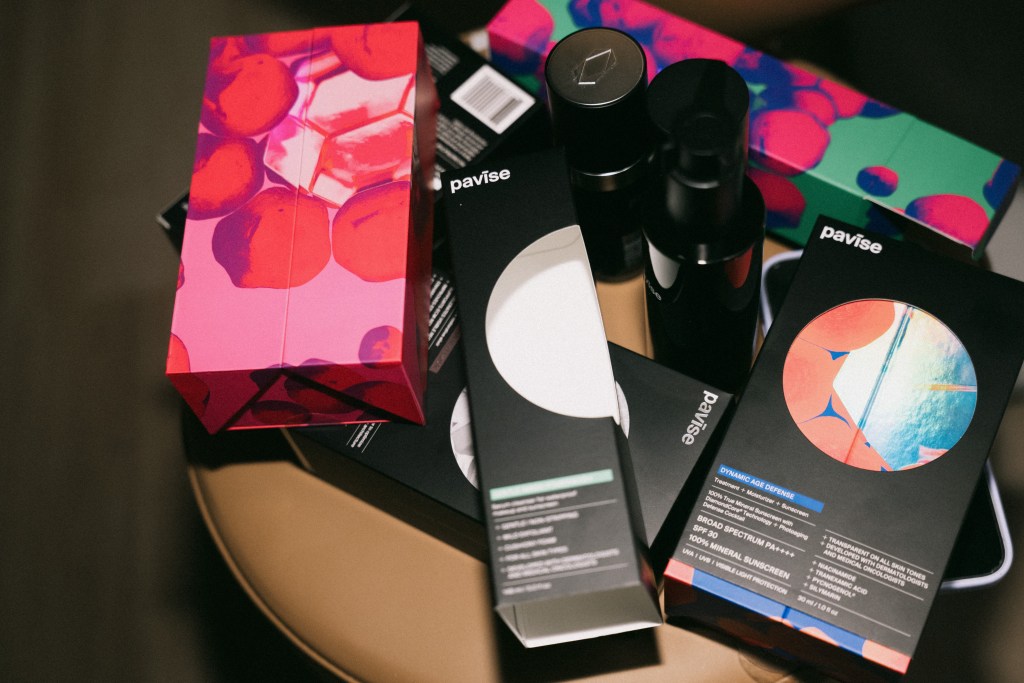
- Pavise skincare utilizes advanced antioxidant technology designed to protect skin from environmental damage.
- Plated Skin Science incorporates regenerative exosome technology to support cellular repair.
These innovations allow active ingredients to remain stable and effective once applied to the skin.
Penetration Into the Skin
The skin’s outermost layer, known as the stratum corneum, acts as a barrier that limits ingredient penetration.
Medical-grade skincare often uses advanced delivery systems that allow ingredients to reach deeper layers of the skin where biological changes occur.
Drugstore formulations frequently sit on the surface of the skin, which may limit their ability to influence processes such as collagen production.
Clinical Research
Many medical-grade products are supported by clinical studies demonstrating improvements in skin quality.
Clinical research may measure:
- reduction in fine lines
- improved skin texture
- increased collagen production
- improved pigmentation
Drugstore products may still be beneficial, but they are often marketed based on consumer appeal rather than rigorous clinical evidence.
Personalized Treatment Plans
Another key advantage of medical-grade skincare is professional guidance.
At JOLA, skincare recommendations are never one-size-fits-all.
Patients receive individualized recommendations based on:
- skin type
- lifestyle
- environmental exposure
- aesthetic goals
This personalized approach often leads to better long-term outcomes.
Patients frequently begin with a comprehensive
Aesthetic Consultation in Dallas.
Ingredients That Actually Improve Skin Health
When evaluating skincare products, the most important factor is the quality and effectiveness of active ingredients.
Retinoids
Retinoids are among the most extensively studied skincare ingredients.
They promote cellular turnover and stimulate collagen production, helping improve:
• fine lines
• uneven skin tone
• acne
• skin texture
Prescription retinoids such as tretinoin are often stronger than over-the-counter retinol products.
Antioxidants
Antioxidants protect the skin from oxidative stress caused by environmental factors such as UV exposure and pollution.
Common antioxidant ingredients include:
- vitamin C
- resveratrol
- astaxanthin
- superoxide dismutase
These ingredients help neutralize free radicals that contribute to premature aging.
Patients living in sunny climates like Dallas often benefit from antioxidant protection combined with treatments such as
Growth Factors and Exosomes
Growth factors and exosomes represent one of the most exciting advancements in regenerative skincare.
These signaling molecules help stimulate collagen production and support tissue repair.
Products such as Plated Skin Science utilize platelet-derived exosomes to promote skin regeneration and improve skin quality.
Barrier-Supporting Lipids
Maintaining a healthy skin barrier is essential for hydration and protection.
Important barrier-supporting ingredients include:
- ceramists
- cholesterol
- fatty acids
- squalane
These ingredients help prevent water loss while protecting the skin from environmental irritants.

The Role of Skincare in Aesthetic Treatments
Skincare plays a critical role in maintaining the results of aesthetic treatments.
Procedures such as:
- neuromodulators
- dermal fillers
- laser treatments
- microneedling
can address structural skin concerns.
However, maintaining healthy skin between treatments requires consistent daily skincare.
Medical-grade formulations that support collagen production, barrier repair, and antioxidant protection help preserve results.
Explore all treatments at JOLA here:
Building an Effective Skincare Routine
An effective skincare routine does not need to be complicated.
Most routines include a few essential steps.
Morning Routine
- gentle cleanser
- antioxidant protection
- sunscreen
Evening Routine
- cleanser
- treatment serum
- moisturizer
Using scientifically formulated products ensures the skin receives protection and repair throughout the day.
A Luxury Approach to Skin Health
At JOLA, skincare is considered the foundation of aesthetic medicine.
Our providers collaborate to design comprehensive plans that combine professional treatments with science-driven skincare.
Patients receive personalized guidance from providers including:
- • Laura Stelk, DNP, APRN, FNP-C
- • Lily Moriconi, RN
- • Chey Cope, Laser and Skincare Specialist
All treatments are delivered within a physician-led practice under the supervision of Dr. John Burns, board-certified plastic surgeon.
So, What Actually Works?
Both drugstore and medical-grade products can have a place in skincare routines.
However, patients seeking visible, long-term improvements in skin health often benefit from medical-grade formulations supported by scientific research and professional guidance.
By combining effective skincare with aesthetic treatments, patients can maintain healthier skin and prevent many of the common signs of premature aging.
Medical-Grade Skincare FAQ
What is medical-grade skincare?
Medical-grade skincare refers to products formulated with higher concentrations of active ingredients and advanced delivery systems designed to penetrate deeper into the skin.
Is medical-grade skincare better than drugstore products?
Medical-grade skincare often contains higher concentrations of active ingredients and more advanced formulations, which may produce more noticeable results.
What ingredients should I look for in skincare?
Evidence-based ingredients include:
- retinoids
- antioxidants
- peptides
- growth factors
- ceramides
These ingredients support collagen production and overall skin health.
Is medical-grade skincare worth the investment?
For many patients, medical-grade skincare offers long-term benefits by improving skin quality and preventing premature aging.
Where to Buy Medical-Grade Skincare in Dallas
Medical-grade skincare products are available at JOLA, a physician-led luxury medical spa in Dallas.
You can also explore our curated skincare store here:
Recommended products
-

Ourself Daily Purifying Cleanser
$45.00 -
Ourself HA+ Replenishing Eye
$130.00 -
Plated Intense Serum
$258.00 -

Plated Hair Serum
$379.00 -

BIOADAPTIVE STRESS REPAIR
$198.00