

JOLA DALLAS — BEST AGE TO START AESTHETIC TREATMENTS / TIMING
Patients in Dallas and Highland Park often ask what the best age to start aesthetic treatments is. It is a reasonable question — but it is often the wrong one. The better question is not "what age?" but "what concern, what category, and what timing?" The face does not change on a schedule dictated by birthdays. Some people benefit from earlier movement management with neuromodulators, others from skin maintenance and sun protection, and others from structural support later on. At JOLA Dallas, timing is based on anatomy, goals, and treatment philosophy — not on one universal age rule.
Two people the same age may have very different anatomy, movement patterns, sun exposure, skin quality, and goals. One may have deep expression lines by their late 20s that warrant conservative neuromodulator treatment. Another may have minimal movement concerns but significant skin dullness that responds better to skin rejuvenation. A third may have no concerns at all — and the right answer may be to wait. The best age to start aesthetic treatments is not a number. It is the moment when a real concern meets the right category of treatment, guided by a provider who can tell the difference.
This article explains how to think about timing in a smarter, less trend-driven way — and how JOLA Dallas approaches the question of when to start through consultation-led care rather than age brackets.
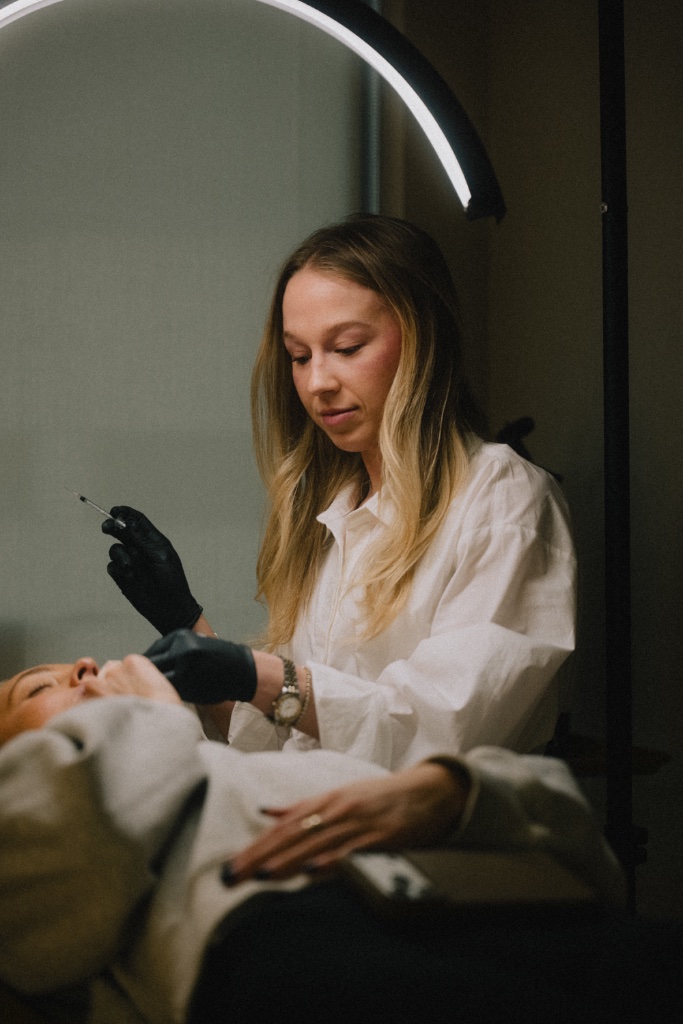
Is There Actually a "Best Age" to Start?
There is no single correct age. The right time depends on what is changing in the face, what the patient notices, and what their goals are. Some people start with skin care and prevention — building a foundation of skin health that pays dividends over decades. Some start with neuromodulators when expression lines begin to persist at rest. Some need no treatment yet — the face is healthy, the skin is good, and the right answer is patience.
Some patients begin later with highly appropriate, subtle support. A patient in their 50s who has never had treatment may find that a plan combining XERF tightening, targeted fillers, and skin rejuvenation produces a refined, natural-looking result — because the plan is built on what the face needs now, not on what the patient should have done decades ago. The best age to start aesthetic treatments is the age at which a real concern is present and the right treatment exists to address it.
"There is no single correct age. The right time depends on what is changing, what the patient notices, and what their goals are — not on a number. Treatment should follow anatomy, not a calendar."
At JOLA Dallas, this means the answer is never "everyone your age should do this." It is always: let us look at your face, understand your concerns, and determine whether now is the right time — and if so, which category fits.
Why Age Alone Is the Wrong Metric
Two people the same age may have very different anatomy, movement, sun exposure, skin quality, and goals. A 35-year-old who has spent years in the Dallas sun without diligent sun protection may have skin quality concerns that a 45-year-old with consistent skincare and sun protection does not. A 28-year-old with strong facial muscle patterns may have deeper expression lines than a 40-year-old with naturally softer movement. Age is one variable — and it is rarely the most important one.
Treatment decisions should not be made by age brackets alone. The face tells its own story — through skin quality, movement patterns, structural support, collagen architecture, and the relationships between features. Timing should reflect the face, not a trend or a milestone birthday. A patient who starts treatment at 30 because they feel they "should" — not because a concern is present — is starting for the wrong reason. A patient who starts at 45 because they have identified a real concern with their provider is starting at exactly the right time.
This is why consultation replaces guessing. The provider evaluates the face and skin, identifies what is actually changing, and recommends treatment — or no treatment — based on what they see. The best age to start aesthetic treatments is not found on a chart. It is found in the consultation room.
01
MOVEMENT
Expression lines, tension, muscle patterns.
02
SKIN
Tone, texture, luminosity, sun damage.
03
SUPPORT
Firmness, laxity, jawline, neck, lower face.
04
TIMING
What is changing now vs. what can wait.
05
GOALS
Prevention, maintenance, or refinement.
06
CATEGORY FIT
The right tool for the actual concern.
07
CONSULTATION
Diagnosis before recommendation.
JOLA DALLAS — CONSULTATION-LED TIMING
What Patients in Their 20s May Be Thinking About
Patients in their 20s are often thinking about prejuvenation — the idea of starting treatment early to prevent concerns from deepening. This can be appropriate, but it requires discernment. Movement awareness is relevant when expression lines are beginning to etch — when the forehead or glabellar lines persist even at rest. In those cases, conservative neuromodulator treatment can soften those lines before they become permanent. But not every patient in their 20s has this concern, and not every 20-something needs injectables.
For many patients in their 20s, the most valuable starting point is skin health and sun protection. Sun exposure in Dallas is intense, and the damage accumulated in your 20s shows up in your 30s, 40s, and beyond. Skin health programs, HydraFacial, and custom skincare build a foundation that prevents much of what patients later try to correct. Prevention without overtreatment is the goal — and for some patients in their 20s, that means little or nothing beyond good skincare and sun protection.
The key is that starting in your 20s should mean starting with the right thing — not starting with everything. A patient who begins with skin health and sun protection at 25 is making a smarter investment than one who begins with filler at 25 for a concern that does not exist yet. The best age to start aesthetic treatments in your 20s is when a real concern is present — and the right category is usually skin, not structure.

What Patients in Their 30s May Be Thinking About
Patients in their 30s are often noticing the first persistent signs of change. Early movement-related lines — the ones that were temporary in their 20s — may now be present at rest. Skin quality may shift: dullness, roughness, or uneven tone that was not there before. Under-eye fatigue may become more visible as the first signs of volume loss appear beneath the eyes. These are the changes that bring many patients to their first aesthetic consultation.
The 30s are often when patients begin deciding between maintenance and more intentional planning. Maintenance means continuing skin health, adding conservative neuromodulators if movement lines are a concern, and protecting what is still good. Intentional planning means beginning to think about treatment planning as a multi-year strategy — not just addressing one concern, but building a plan that evolves with the face. Facial balancing may enter the conversation if proportion and harmony are becoming a concern. Under-eye rejuvenation may be considered if fatigue signals are the priority.
The 30s are not too early — and they are not too late. They are often simply the right time to begin a conversation. The best age to start aesthetic treatments in your 30s is when the concerns you are noticing align with a category of treatment that can address them — and when your provider confirms that the timing is right.
What Patients in Their 40s and Beyond May Be Thinking About
Patients in their 40s, 50s, and beyond are often thinking about support, structure, and facial balance. The concerns shift from prevention to refinement: the skin may be losing firmness, the lower face may be softening, the temples may be hollowing, and the jawline may be less defined. Collagen support becomes more relevant, and the conversation often expands to include structural tightening, biostimulatory treatments, and more comprehensive facial balancing.
Changes in the lower face, under-eyes, temples, and neck become more visible in this phase. The jawline may blur, the neck may lose firmness, and the midface may flatten. These are structural changes — and they call for structural solutions. Laser treatments address texture and tone. XERF addresses firmness and support. Dermal fillers and Sculptra address volume and contour. Chemical peels and skin health programs address surface quality. The plan is broader — but it is still built one priority at a time.
Starting later is not "too late." Later treatment can still look elegant and natural when the plan is built on diagnosis, restraint, and sequencing. Natural-looking results are achievable at any age — because they depend on choosing the right tool for the actual concern, not on having started at a specific time. The best age to start aesthetic treatments in your 40s and beyond is now — if a concern is present and the right treatment exists to address it.
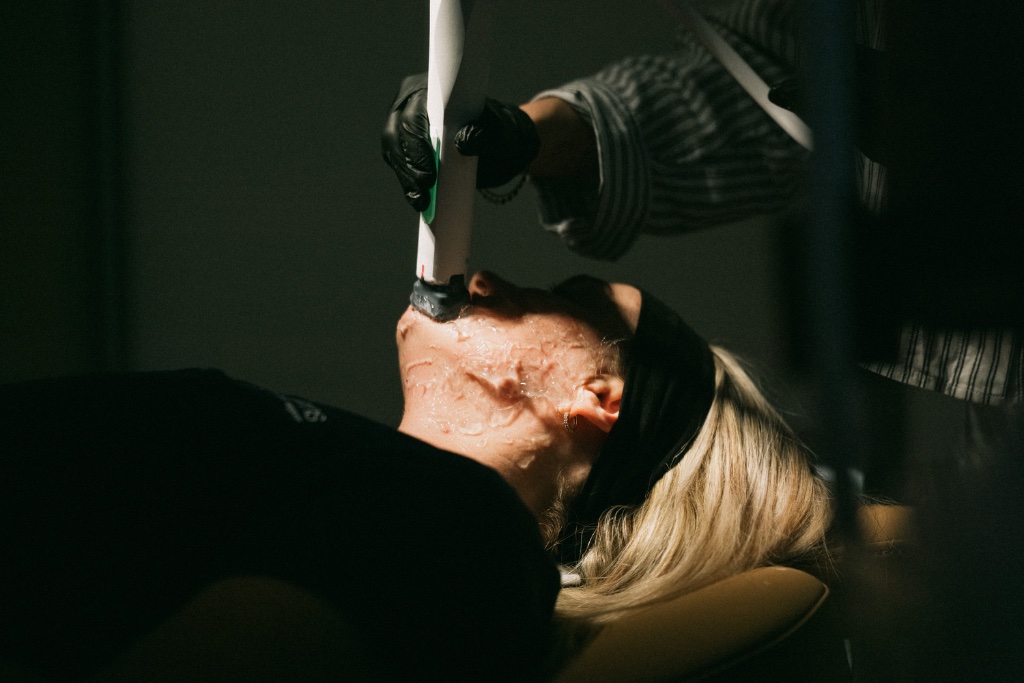
Different Categories Tend to Enter at Different Times
Each category of aesthetic treatment answers a different kind of question — and the "right time" depends on the category as much as the age. Not every patient needs every category. Understanding when each typically enters the conversation helps clarify the timing question.
01
Neuromodulators
When movement lines become a concern
Botox, Dysport — for expression-related changes.
02
Skin Rejuvenation
When skin quality shifts
HydraFacial, peels, microneedling, skin health.
03
Dermal Fillers
When structure or contour changes
Facial balancing, targeted volume restoration.
04
Biostimulatory
When collagen support is the priority
Sculptra — collagen stimulation over time.
05
Laser & Energy
When firmness or texture is the concern
XERF, ClearLift, Erbium — structural refinement.
JOLA DALLAS — TREATMENT PLANNING DALLAS
Neuromodulators
Botox and Dysport typically enter the conversation when movement-related lines become persistent — when expression lines are visible at rest, not just during animation. For some patients, that happens in their late 20s. For others, it does not happen until their 40s. The timing is movement-dependent, not age-dependent. When the lines are etched, neuromodulators can soften them. When they are not, there is no need to start.
Skin Rejuvenation and Maintenance
Skin rejuvenation can begin at almost any age — because skin health is relevant at every stage of life. In your 20s, the priority is protection and prevention. In your 30s, it is maintenance and correction of early changes. In your 40s and beyond, it is renewal and collagen support. HydraFacial, medical-grade facials, chemical peels, microneedling, and skin health programs each address different aspects of skin quality. This is the category that has no lower age limit — and no upper one.
Dermal Fillers and Facial Balancing
Dermal fillers and facial balancing typically enter when structural changes become visible — hollowing in the temples or under-eyes, flattening of the cheeks, or loss of jawline definition. For most patients, that begins in their 30s or 40s, though it varies. The timing depends on when volume loss and contour change become a concern — and on whether the face needs support, not just surface improvement. Sculptra vs filler is a relevant question here, as the choice depends on whether the concern is better served by direct volume or collagen stimulation.
Biostimulatory Treatments
Sculptra and other biostimulatory treatments stimulate the body's own collagen production rather than adding volume directly. They typically enter the conversation when collagen support becomes a priority — often in the late 30s, 40s, and beyond, when the skin's collagen architecture begins to show signs of decline. Biostimulatory treatment is a slower, more gradual approach to structural support, and it is often chosen by patients who want improvement that develops naturally over time.
Laser and Energy-Based Treatments
Laser and energy-based treatments — including XERF, ClearLift Pro, Erbium resurfacing, and others — typically enter when the concern is firmness, texture, or structural tightening rather than volume. For some patients, laser treatments begin in their 30s for texture and tone. For others, XERF becomes relevant in their 40s or beyond, when lower-face softening and laxity become the priority. The category is broad — and the right entry point depends on what the face needs.
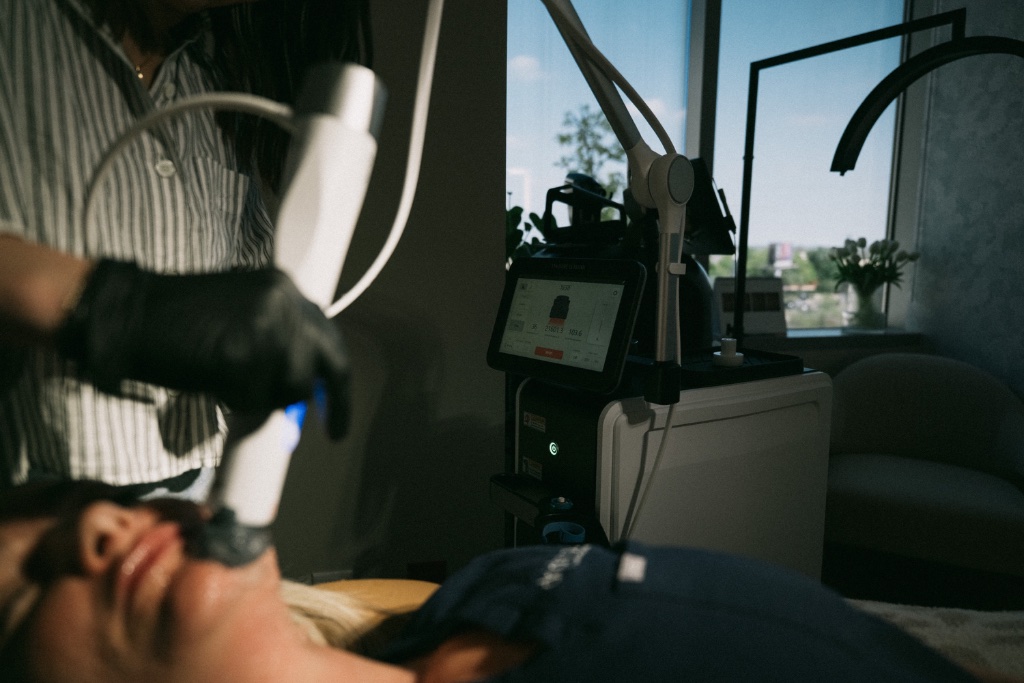
Why Starting Too Early Can Be Just as Unhelpful as Starting Too Late
Trend pressure is real. Social media, influencer culture, and the normalization of aggressive treatment at young ages can create the impression that everyone is doing everything — and that starting early is always better. It is not. Starting too early — treating what is not yet a true concern — can lead to overtreatment, which is the opposite of natural-looking results. A patient who begins filler at 23 for a concern that does not exist may find that by 30, the face looks more treated than refreshed.
Treating what is not yet a true concern also creates a different problem: it sets a trajectory of escalation that is difficult to reverse. Each treatment raises the baseline — and the face that was treated aggressively at 25 may require more aggressive treatment at 35 to maintain the same impression. Overtreatment often begins not with a bad product but with a premature start.
Losing patience with maintenance is another risk. A patient who starts skin treatments in their 20s may become bored with the gradual, invisible improvements of good skincare and seek more dramatic intervention — when the skin was actually doing well. "Not yet" can be the right answer. Saying no — when the face does not need treatment — is part of expertise. The best age to start aesthetic treatments is not always "as early as possible." Sometimes it is "not yet."
Why Starting Later Is Not a Problem
Later entry into aesthetics can still look elegant. Good care is not about having started early — it is about starting appropriately. A patient who begins treatment at 50 with a well-built plan — XERF for firmness, targeted fillers for structural support, skin treatments for quality — can achieve a result that is refined, natural, and age-appropriate. The face does not need to have been treated for decades to look good. It needs to be treated well now.
Subtle outcomes are still possible with careful planning. The principles are the same at every age: diagnose the concern, choose the right category, sequence intelligently, and treat with restraint. What makes a result look expensive is not when the patient started — it is the judgment behind the plan. Age does not disqualify someone from natural-looking treatment. It simply means the concerns may be different — and the plan is built to address what is present.
The best age to start aesthetic treatments is whenever a real concern meets the right treatment. For some, that is 28. For others, that is 52. The number is not what matters. The fit is.
Where XERF Fits Into the Timing Conversation
XERF belongs to a different conversation than early neuromodulator use. While neuromodulators address movement and skin treatments address surface quality, XERF addresses structural firmness — the support and tightness of the skin and underlying tissue. Some patients begin thinking about firmness, jawline support, neck support, and structural refinement later than they begin thinking about skin or movement. For those patients, XERF may become relevant when the concern shifts from prevention to support.
For selected patients, XERF may become relevant when the concern is support rather than volume. The face does not look hollow — it looks less firm. The jawline has blurred, the neck has softened, and the lower face feels less supported. This is when XERF enters the conversation — and for many patients, that conversation begins in their late 30s, 40s, or beyond. Understanding what XERF is is essential to understanding when it fits. Jawline tightening, neck tightening, and the timeline for XERF results are all relevant considerations.
XERF uses multifrequency monopolar radiofrequency to stimulate collagen remodeling at depth — supporting structural firmness without adding volume, without needles, and without downtime. For patients whose concern is laxity rather than deflation, XERF may be the most appropriate category — and the right time to consider it is when the face begins to need support, not volume.
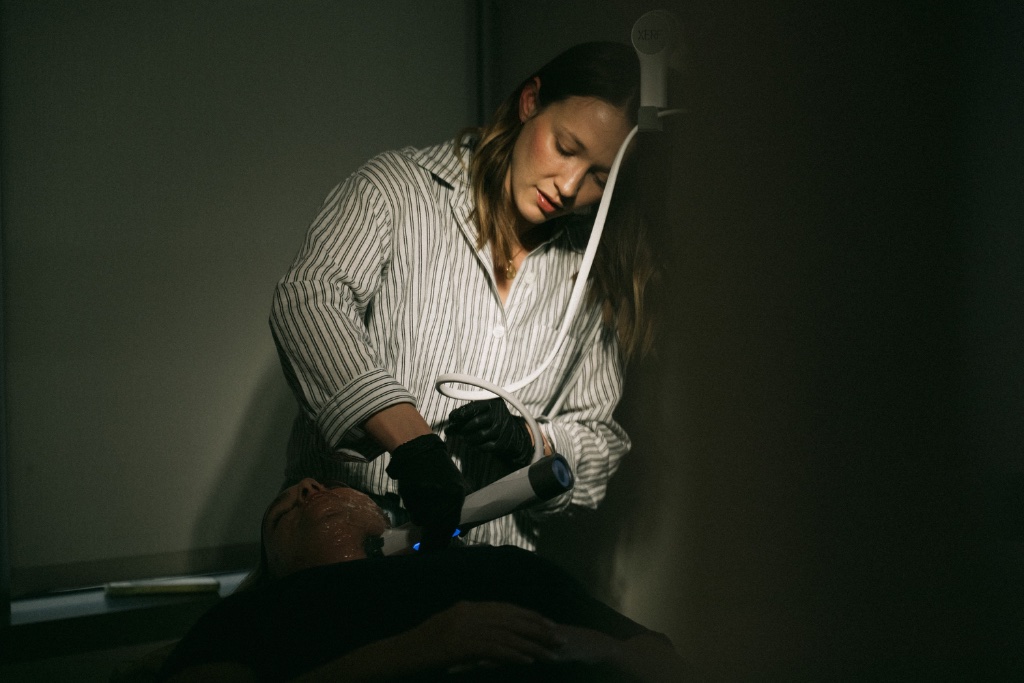
How JOLA Decides Whether It's the Right Time
At JOLA Dallas, the decision of whether now is the right time is made through consultation-led care. The provider does not begin with a treatment recommendation — they begin with an assessment. Anatomy-first planning means the provider evaluates the face and skin as an integrated system: skin quality, movement patterns, structural support, contour, and the relationships between features.
The recommendations are concern-driven, not age-driven. The provider identifies what is actually changing — and then decides whether the right response is to treat now, to wait, to choose a different category, or to say no. If the concern is movement, neuromodulators may be recommended — regardless of whether the patient is 28 or 48. If the concern is skin quality, skin treatments may be the priority. If the concern is structural support, fillers or XERF may be appropriate. If there is no concern, the recommendation may be to do nothing yet — and that is a valid, expert answer.
Saying no is part of expertise. A provider who recommends treatment when the face does not need it is not practicing good medicine — they are practicing sales. JOLA's standard is different. If the face does not need treatment, JOLA says so. Timing is one of the most important parts of elegant work — because the right treatment at the wrong time is still the wrong treatment.
A Smarter Question Than "What Age?"
Instead of asking "what age should I start?" — ask a different set of questions. These are the questions that actually produce good timing decisions, because they are based on the face, not on a number.
What concern is actually present?
Identifies the real issue, not the assumed one.
What category fits it?
Determines whether skin, movement, structure, or tightening is the right tool.
What can wait?
Distinguishes what needs attention now from what does not.
What would look the most natural?
Shifts the conversation from treatment to outcome.
What supports long-term results without overtreatment?
Prioritizes planning over impulse.
These questions reframe the conversation from age to anatomy, from timing to fit. The best age to start aesthetic treatments is the age at which these questions have clear answers — and the plan that follows is built on those answers, not on assumption.

How This Reflects JOLA's Philosophy
The approach to timing is not a single decision — it is a reflection of JOLA's broader philosophy. Consultation-led care. Anatomy-first assessment. Concern-driven recommendations. The willingness to say no when the face does not need treatment. And the understanding that timing is not about age — it is about fit.
Treatment planning at JOLA is built on the understanding that the face is an integrated system — and that the right plan addresses the system at the right time. Prejuvenation is relevant when prevention is the goal. Facial balancing is relevant when harmony is the concern. Skin rejuvenation is relevant at every age. Laser treatments and XERF are relevant when firmness and structure are the priority. Each tool has its moment — and the art is in knowing when that moment has arrived.
Why JOLA is not about a single product or device. It is about a philosophy of care that treats timing as a clinical decision — not a marketing one. Clinical fluency — the ability to read the face, diagnose the concern, and recommend the right category at the right time — is the standard JOLA Dallas holds. And the art of restraint — knowing when to treat and when to wait — is what makes the difference between a plan that looks natural and one that looks treated.
Begin With a Consultation at JOLA Dallas
If you are wondering whether now is the right time to start aesthetic treatment — the answer begins with a consultation. Your plan will be built on full-face assessment, anatomy-first thinking, and the willingness to choose the right category at the right time. Whether that means starting now, waiting, or choosing a different path entirely, the decision will be yours — guided by expertise.