
SKIN SCIENCE / JOLA DALLAS
DALLAS TX — MAR 2026
POST-TREATMENT CARE
LIGHT THERAPY AND AFTERCARE
After Light
Therapy
What to expect, how to care for your skin,
and when to resume your routine.
CATEGORY
SKIN SCIENCE
LOCATION
DALLAS TX
DATE
MAR 2026
READ
~10 MIN
INTRODUCTION
01
In Dallas — and across Highland Park, University Park, Preston Hollow, and the Park Cities — the patients who take their skin most seriously are not simply asking what a treatment does. They are asking what comes after. That question — what happens to skin after light therapy, how it should be managed, and how it fits into a longer-term skin strategy — is one of the most important and most under-discussed aspects of modern aesthetic care.
Light therapy — whether red light or blue light — is often categorized as a low-interruption treatment. Relative to more intensive procedures, that description is accurate. But low-interruption does not mean no-consideration. The skin is still responding, adapting, and recovering after every therapeutic exposure, and the choices made in the hours and days following treatment affect how well those responses translate into visible, lasting improvement.
At JOLA Dallas, aftercare is treated as an integral part of every treatment plan — not an afterthought. Understanding what to expect after light therapy, how to support your skin through the recovery window, and how to position each session within a broader skin health strategy is as important as the treatment itself.
KEY TOPICS
AFTERCARE
RED LIGHT THERAPY
BLUE LIGHT THERAPY
SKIN RECOVERY
BARRIER SUPPORT
TREATMENT PLANNING
SKIN PROGRAMS
MAINTENANCE
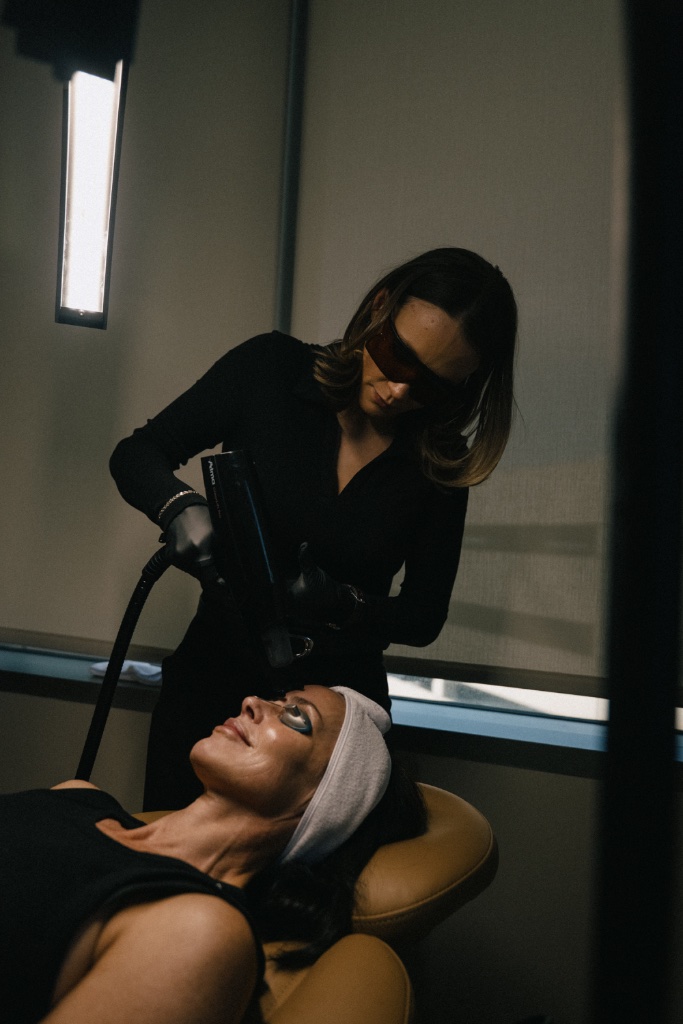
LIGHT THERAPY AFTERCARE
The skin is always
in conversation with care.
c/o JOLA DALLAS
IMG. 01 / 10
SECTION
02
What "After Light Therapy"
Actually Means
Light therapy — encompassing both red and blue wavelength treatments — is valued in part because it does not create the kind of visible disruption associated with more intensive procedures. There is no peeling, no significant redness, no meaningful downtime in the conventional sense. For patients with active social lives, professional commitments, and the particular visibility that comes with life in Dallas, this profile is genuinely attractive.
But the absence of obvious surface disruption should not be mistaken for the absence of biological activity. After light therapy, the skin is engaged in a process of response and adaptation — and the quality of that response is shaped, in part, by the care it receives. Good light therapy aftercare is not elaborate. But it is intentional.
CLINICAL PRINCIPLE
"Post-treatment guidance helps protect the quality of skin's response — not by complicating the aftercare, but by ensuring that the skin's work is supported rather than interrupted."
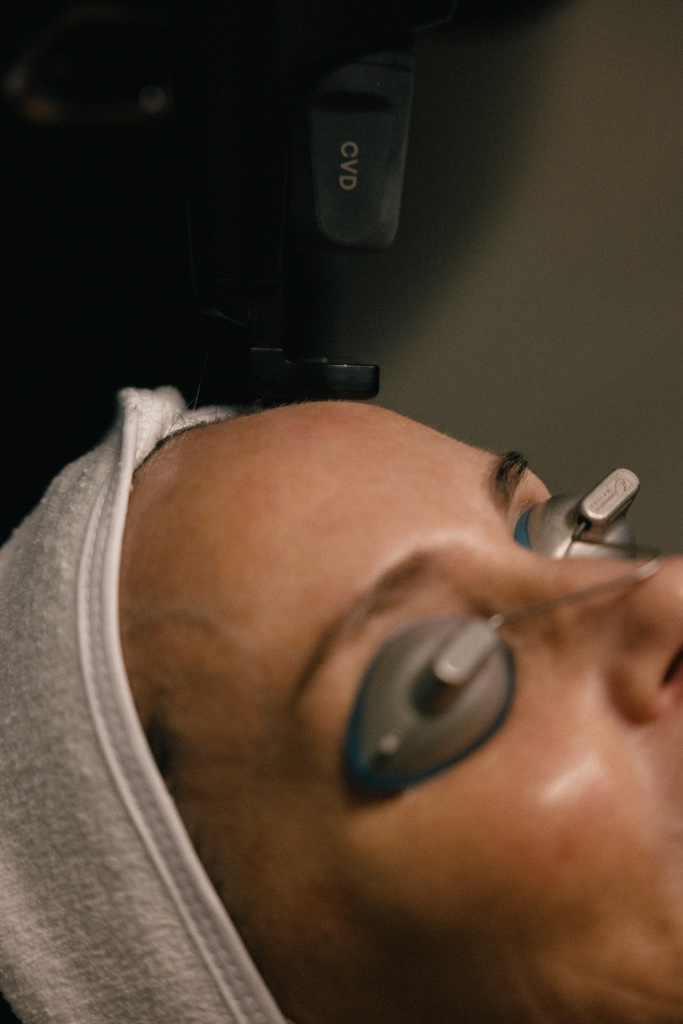
TREATMENT ENVIRONMENT
IMG. 02 / 10
03
What to Expect
After Light Therapy
The immediate post-treatment experience varies depending on the wavelength used, the intensity of the session, and the individual skin's baseline condition. In most cases, after light therapy, patients notice very little — which is itself a feature of the treatment rather than a sign that nothing occurred.
Immediate Appearance
Most patients leave a light therapy session with skin that looks essentially unchanged — perhaps slightly more luminous or calm, depending on the skin type and the concern being addressed. There is typically no visible redness, no swelling, and no surface disruption. This is by design. The treatment works below the surface, and the results emerge gradually.
Comfort and Sensation
Light therapy is generally comfortable. Some patients notice mild warmth during red light treatment; blue light sessions are typically well-tolerated. Post-treatment, skin should feel calm. If there is any unusual sensitivity, this is worth noting to your provider — though it is not commonly reported.
Recovery Timeline
There is no formal recovery period associated with light therapy in the conventional sense. Most patients resume normal activities immediately. The skin does not need to be "protected" from the world in the way that more ablative treatments require — but it does benefit from clean, simple care in the hours that follow.
Managing Expectations
Results from light therapy are typically cumulative and subtle rather than dramatic and immediate. Patients treating acne, redness, or skin quality may notice progressive improvement over a series of sessions. Managing expectations from the outset — and framing the treatment as part of a longer-term plan rather than a single intervention — produces the most satisfying outcomes.
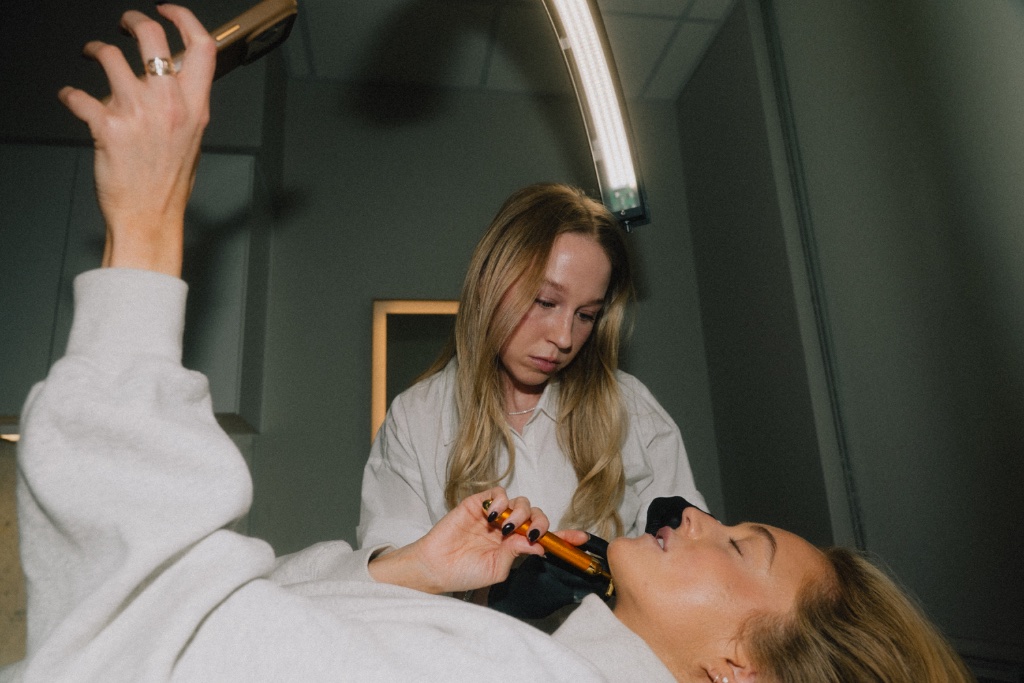
TREATMENT PLANNING
"Results are built in the space between sessions — not just during them."
JOLA DALLAS
IMG. 03 / 10
SECTION
04
Red Light Therapy vs Blue Light Therapy Aftercare
After Red Light Therapy
Red light therapy dallas patients typically experience one of the gentlest treatment profiles in aesthetic medicine. The treatment uses near-infrared or red wavelengths to support cellular energy, promote circulation, and encourage collagen-related processes deep within the skin. After a red light session, skin usually appears calm and may feel slightly warmer than usual for a brief period — an effect that subsides quickly.
The aftercare principles for after light therapy with red wavelengths are simple: gentle cleansing, appropriate hydration, and sun protection. Because the skin is not compromised in the way that ablative treatments leave it, there is no requirement for special recovery products. The focus is on supporting the skin's natural processes without adding unnecessary burden.
After Blue Light Therapy
Blue light therapy dallas is most commonly used to support acne treatment plans, working through its interaction with acne-causing bacteria at the skin's surface. After blue light sessions, most patients find their skin looks calm and even slightly clearer. In some cases, where active breakouts were present, there may be a brief period where the skin continues to clear — a process, not a side effect.
Aftercare after light therapy with blue wavelengths should be similarly gentle. Patients managing active acne should resist the temptation to layer on multiple active ingredients immediately following a blue light session. The skin is doing productive work; the goal of home care in the post-treatment window is to support that work, not to accelerate it with further intervention.
When Light Therapy Is Part of a Larger Skin Plan
Light therapy's greatest value is realized when it is not a standalone treatment but a component of a coherent skin health program dallas. In this context, the aftercare extends beyond the immediate post-treatment window — it encompasses the products used at home, the timing of the next session, the sequence of other treatments, and the ongoing assessment of skin progress that only happens through consistent provider relationships.
When light therapy supports a medical-grade facial dallas protocol, for instance, the sequencing of treatments and the management of the post-treatment period for each becomes a meaningful clinical consideration. Your provider will guide you on how the aftercare for each element of your plan interacts with the others.
Why the Right Next Step Matters
The choice of what to do — and what not to do — in the days following a light therapy session shapes how the results accumulate over time. This is especially true for patients building toward a goal: clearing acne, improving skin quality, managing a specific skin concern. Every correct decision after treatment compounds. Every unnecessary intervention has the potential to disrupt. The philosophy that guides aftercare at JOLA is the same one that guides treatment planning: restrained, supportive, and designed to let the skin's own processes do their best work.
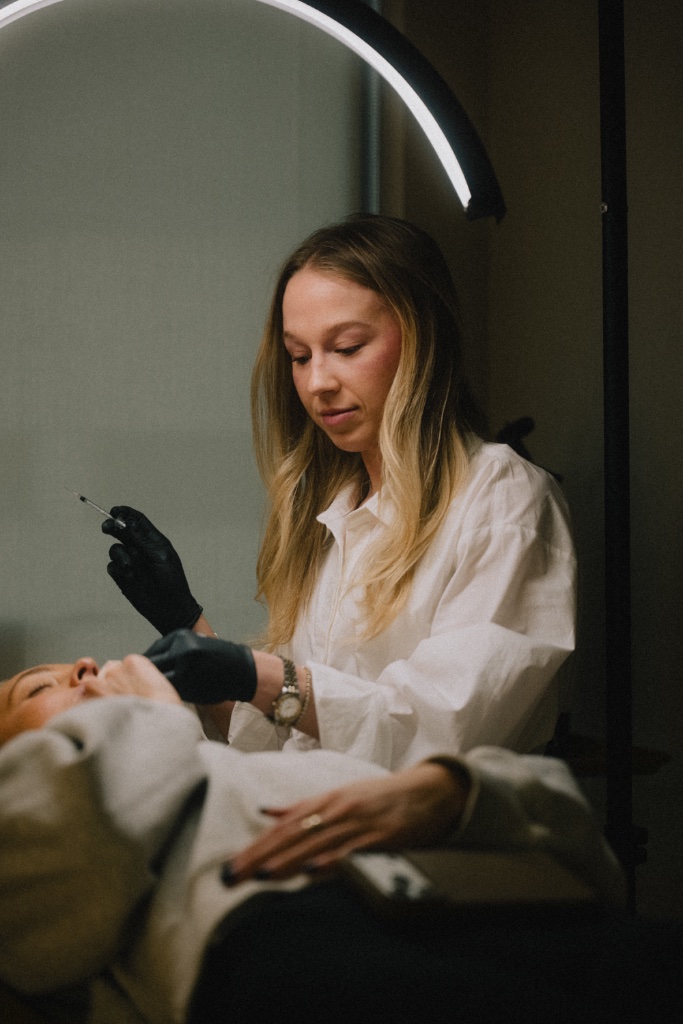
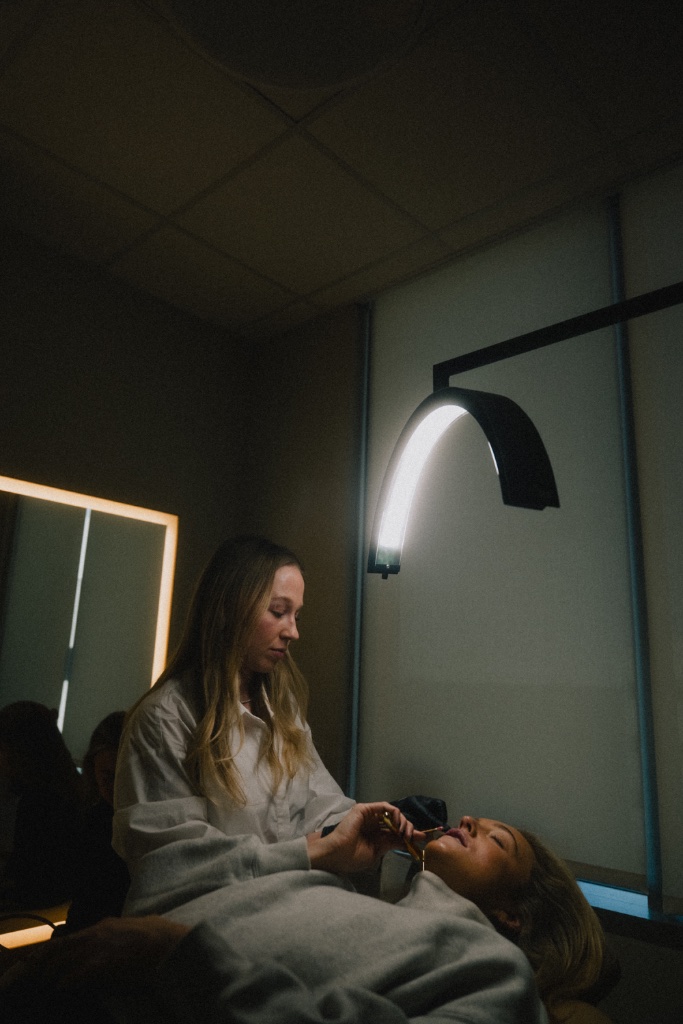
SKIN CARE STILL LIFE / AFTERCARE STUDY
IMG. 04 / 10
SECTION
05
How to Care for Skin
After Light Therapy
Gentle Cleansing
Use a mild, non-stripping cleanser — ideally fragrance-free and formulated without strong actives or surfactants that might disrupt the skin barrier. Wash with lukewarm water and pat dry. This is sufficient. Cleansing is not an opportunity to accelerate results; it is a step to keep the skin clean and comfortable.
Hydration and Barrier Support
A hydrating serum or moisturizer suited to your skin type is the core of good post-treatment care. Look for ingredients that support skin barrier function — hyaluronic acid, ceramides, or peptides are all appropriate choices. Well-hydrated skin recovers more efficiently and is better positioned to support the cellular processes that light therapy initiates.
Sunscreen as Post-Treatment Discipline
Broad-spectrum SPF is non-negotiable as part of any skin care plan — and particularly important as part of post-treatment skin care dallas. Even if light therapy does not create surface sensitivity in the way that chemical peels or laser treatments do, UV exposure remains the most consistent source of skin damage and counteracts the progress being built through treatment. Wear it every morning.
Why Less Is More
The most common mistake in skin care after any treatment — including light therapy — is over-managing. The temptation to add more products, use stronger actives, or layer multiple serums in the belief that more input equals faster progress is understandable, but counterproductive. Support the skin. Do not interrogate it. The work has already been done inside the treatment room.
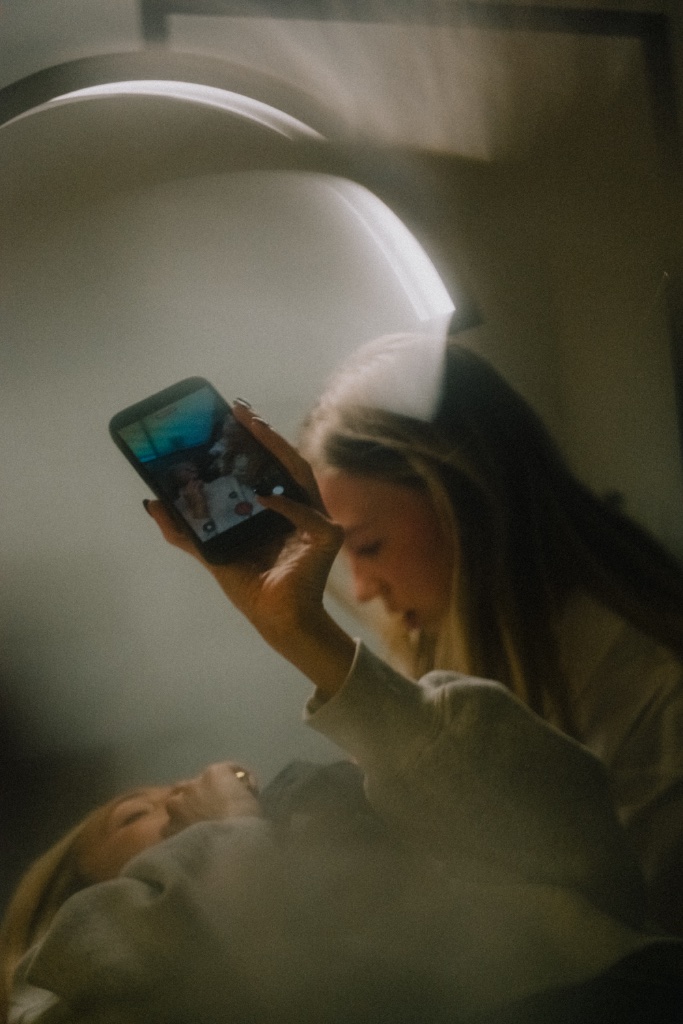
SKIN STUDY
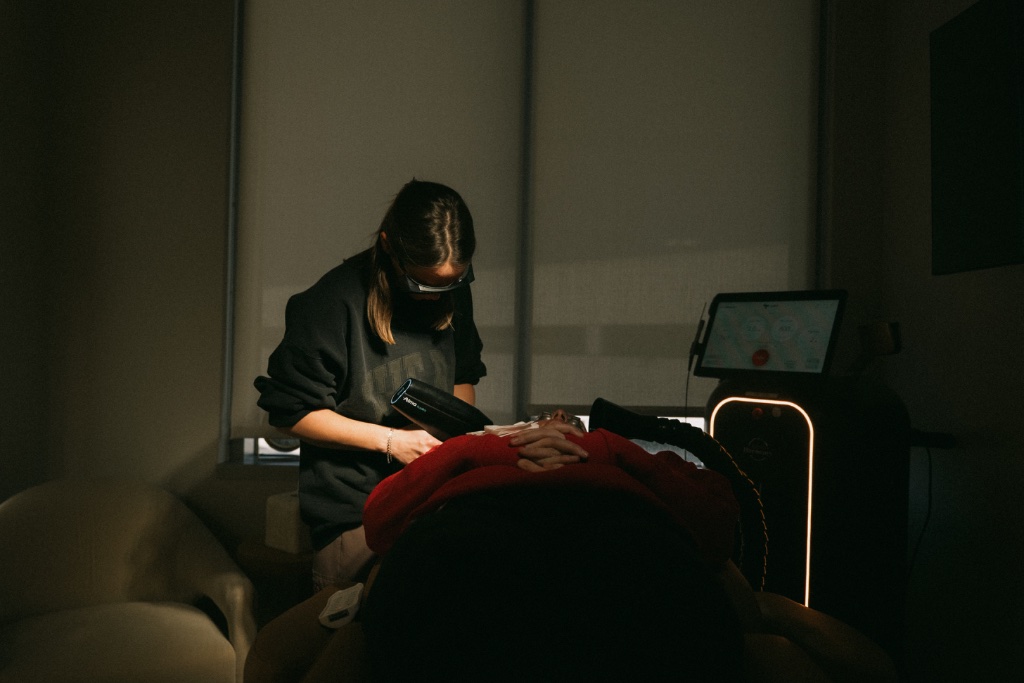
RECOVERY DETAIL
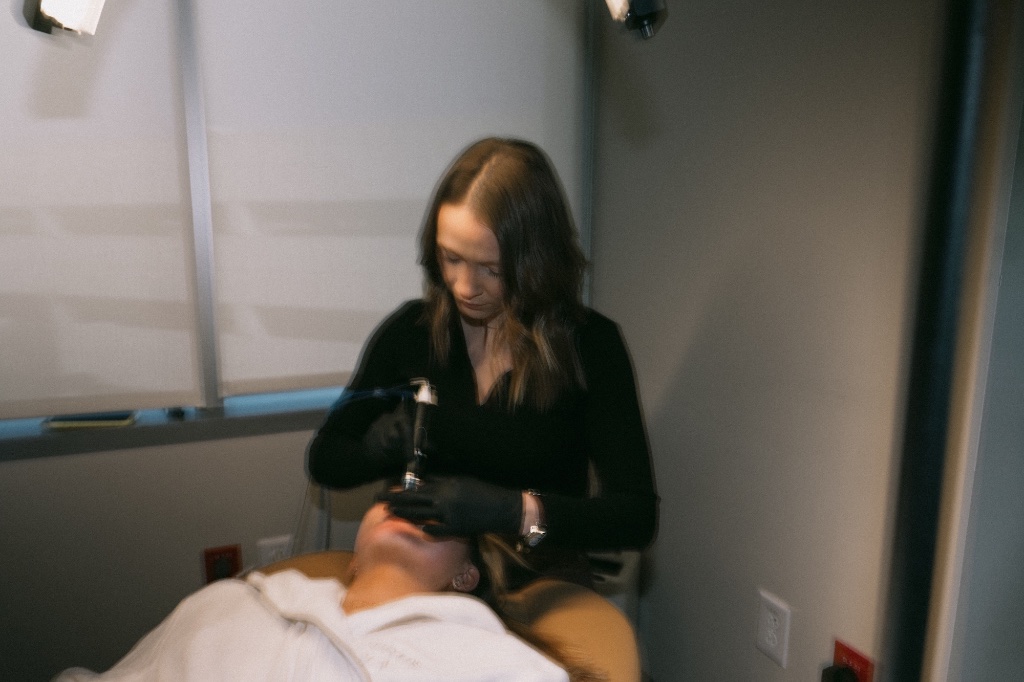
ENVIRONMENT
06
What to Avoid
After Light Therapy
The aftercare philosophy at JOLA is as much about restraint as it is about action. Knowing what to avoid in the post-treatment period is as important as knowing what to do. The following patterns are the most common ways patients inadvertently interrupt the results they are working to build.
01
AGGRESSIVE EXFOLIATION
Exfoliation has its place in a well-designed skin routine — but immediately after light therapy, it adds unnecessary abrasion to skin that is already engaged in a restorative process. Save the exfoliating acids and mechanical scrubs for days when your skin is not in active recovery mode, and always confirm the timing with your provider.
02
HARSH ACTIVE PRODUCTS
High-concentration vitamin C, strong retinoids, or aggressive AHA/BHA products should be paused in the immediate post-treatment window if skin is at all sensitive. These are powerful tools — which means they can produce unwanted reactions when introduced at the wrong time. When in doubt, default to simple.
03
PRODUCT OVER-LAYERING
More products do not equal better care. A streamlined routine — cleanser, hydrator, SPF — is all most post-light-therapy skin requires. Adding multiple serums, masks, or supplementary treatments in the belief that they will compound results typically does the opposite.
04
UNNECESSARY SELF-SCHEDULING
One of the least-discussed risks in aesthetic care is self-managed over-treatment: scheduling additional sessions without provider guidance, based on the belief that more frequent exposure will accelerate results. Frequency should always be determined by a clinician who understands your skin's current state and where it needs to go.
05
HEAT AND ENVIRONMENTAL STRESS
In the 24 hours after light therapy, avoid prolonged heat exposure — saunas, steam rooms, intense exercise, and extended sun exposure. These add thermal load to skin that has been therapeutically stimulated and may reduce the precision of the treatment's effect.
SKIN HEALTH PROGRAM
Light therapy works best when it has a role within a plan.
IMG. 05 / 10
SECTION
07
How Light Therapy Fits Into
a Larger Skin Program
Light therapy is rarely the whole story. It is a tool within a broader conversation about skin health — and its results are most consistent and meaningful when it is positioned correctly within a comprehensive plan. At JOLA Dallas skin care, every recommendation is made within the context of the patient's complete skin profile, current concerns, and longer-term objectives.
This is the difference between visiting a clinic for a treatment and working with a practice that offers a program. Skin health programs at JOLA are built around the individual — their skin, their goals, their schedule — and light therapy, when indicated, is sequenced appropriately within that framework.
Facials and Maintenance
Light therapy often pairs well with professional facial treatments, either as a preparatory step, a supportive companion, or a maintenance tool. The sequencing matters — and your provider will guide you on timing.
EXPLORE →
ACNEAcne Treatment Plans
Blue light therapy is a recognized component of comprehensive acne management. Within a structured acne treatment plan, it contributes to bacterial reduction while other treatment elements address skin barrier, oil regulation, and scarring.
EXPLORE →
PIGMENT + TEXTUREPigment and Texture Support
For patients managing uneven tone or textural irregularities, light therapy may support the broader program of correction — working alongside other treatments to help the skin achieve greater clarity and uniformity.
EXPLORE →
08
When to Book
Your Next Treatment
The timing of your next light therapy session should always be guided by your provider — not by how the skin feels in the short term. Some patients benefit from weekly sessions during an active treatment phase; others find that bi-weekly or monthly maintenance produces sustainable results without over-stimulating the skin. The rhythm that is right for you depends on your specific concern, your baseline skin condition, and how your skin is responding over time.
At JOLA, consistent planning matters more than reactive scheduling. A patient who builds a thoughtful, provider-guided maintenance rhythm will achieve more durable results than one who schedules sessions sporadically — even if the total number of treatments is similar. The skin benefits from rhythm, from consistency, and from the kind of long-term attention that a genuine skin health program provides.
"Frequency is not the measure of commitment to skin health. Consistency, guided by clinical intelligence, is."
JOLA DALLAS / SKIN HEALTH PHILOSOPHY
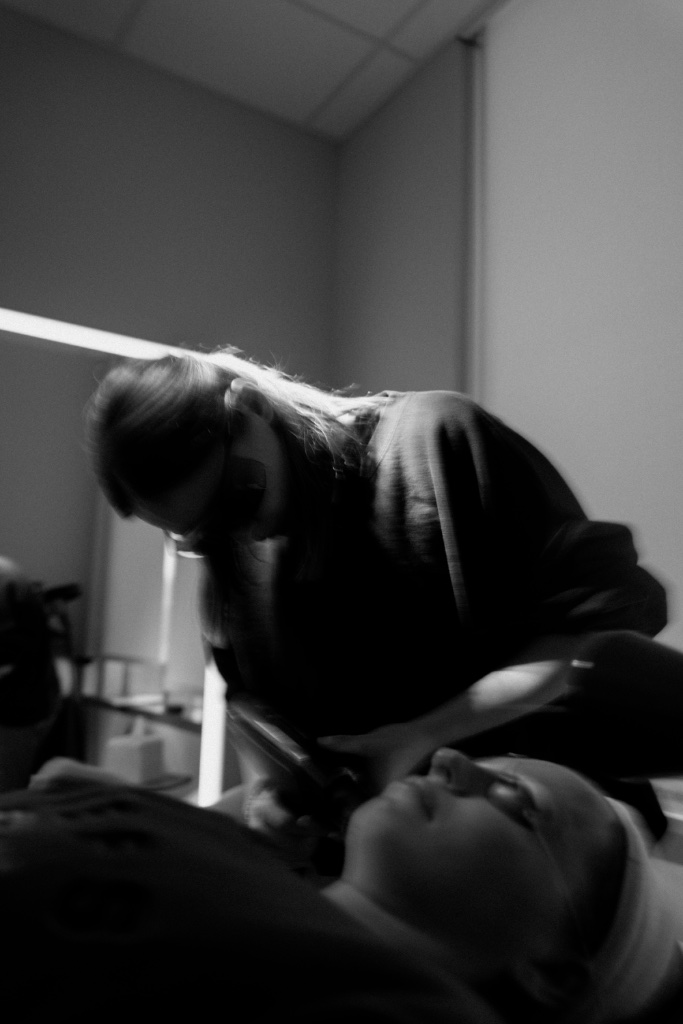
JOLA DALLAS / TREATMENT ENVIRONMENT / HIGHLAND PARK
IMG. 06 / 10
SECTION
09
After Light Therapy in Dallas
Post treatment skin care dallas patients navigate a particular set of considerations. Dallas is a high-visibility city — professional, social, and community life are often interconnected in ways that make visible downtime genuinely disruptive. The appeal of light therapy, in this context, extends beyond its biological effects to include its social profile: treatments that do not require hiding from the world are, for many patients, simply more practical.
Dallas climate also shapes aftercare considerations. The Texas sun is not incidental — it is a consistent environmental factor that must be managed deliberately as part of any skin health plan. Sunscreen is not optional for a Highland Park or Park Cities patient who spends time outdoors, regardless of the gentleness of the treatment received. This is one of the areas where the discipline of aftercare reflects the discipline of skin health more broadly: consistent protection, consistently applied.
Related Treatments and Pathways
01
Skin & Facials
Professional skin treatments — including light therapy — positioned within a long-term skin health strategy.
EXPLORE →
02
Medical-Grade Facials
Clinical-level facial treatments that work in concert with light therapy and other skin protocols.
EXPLORE →
03
Acne Treatments
Comprehensive acne management plans where blue light therapy may play a defined, structured role.
EXPLORE →
04
Skin Health Programs
Provider-guided long-term programs that position every treatment — including light therapy — with intention.
EXPLORE →
05
Pigment Correction
Targeted treatment for uneven tone and discolouration, often sequenced with complementary modalities.
EXPLORE →
06
HydraFacial Dallas
Deep cleansing and hydration treatment that pairs well with light therapy in a complete skin regimen.
EXPLORE →
07
Architecture as Care
How the JOLA treatment environment supports the patient experience from arrival to aftercare.
EXPLORE →
08
Clinical Fluency
Why the judgment behind every treatment plan matters as much as the technical execution.
EXPLORE →
IMG. 07 / 10
Q&A
05 QUESTIONS
Frequently Asked Questions
JOLA
Skin care in Dallas, guided by strategy, restraint, and long-term planning.
Every JOLA appointment begins with a comprehensive assessment — an honest conversation about what your skin actually needs, positioned within a plan designed to produce lasting results.
ADDRESS
9201 N Central Expy Dallas TX 75225
TELEPHONE
214.515.0002
info@joladallas.com
ARTICLE
AFTER LIGHT THERAPY JOLA DALLAS / SS 2026
JOLA DALLAS ™ 2026