
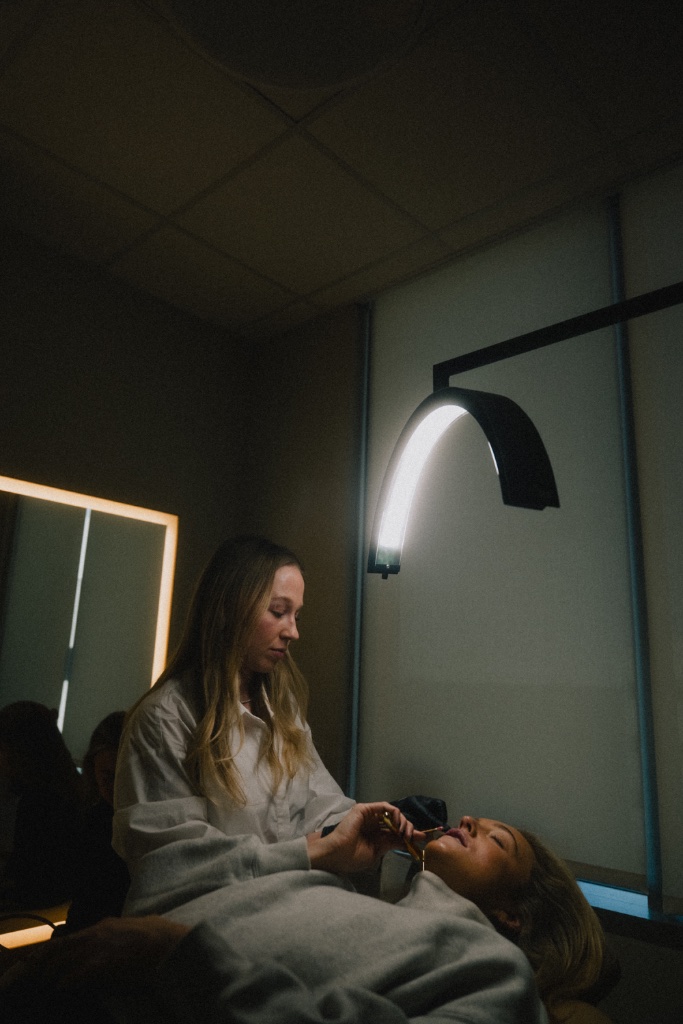
JOLA DALLAS — CHEMICAL PEELS / SUMMER SKIN PLANNING / DALLAS
Every summer, patients in Dallas and Highland Park hear the same thing from well-meaning sources: do not get a chemical peel in summer. The sun is too strong, the skin is too sensitive, the risk is too high. And like most sweeping rules in aesthetic medicine, this one contains enough truth to be convincing — and enough nuance to be misleading when applied without clinical context.
The reality of chemical peels in summer is more useful and more individualized than a blanket seasonal ban. Some patients can benefit meaningfully from a well-selected summer peel. Others should defer more intensive corrective work until fall. And still others are best served during summer by a different treatment category altogether — one that addresses their skin without the post-treatment sun sensitivity that makes aggressive resurfacing seasonally complicated.
The determining factors are not the month on the calendar. They are the treatment's depth and formulation, the patient's sun exposure habits, their lifestyle, and the clinical goals they are trying to achieve. At JOLA Dallas, summer skin planning in Dallas begins with those factors — not with a rule about seasons.
This article separates the common myths from the clinical reality. It explains what concerns may still be treated during summer, what deserves more careful timing, and how to use the warmer months strategically for meaningful skin improvement rather than simply putting everything on hold until September.
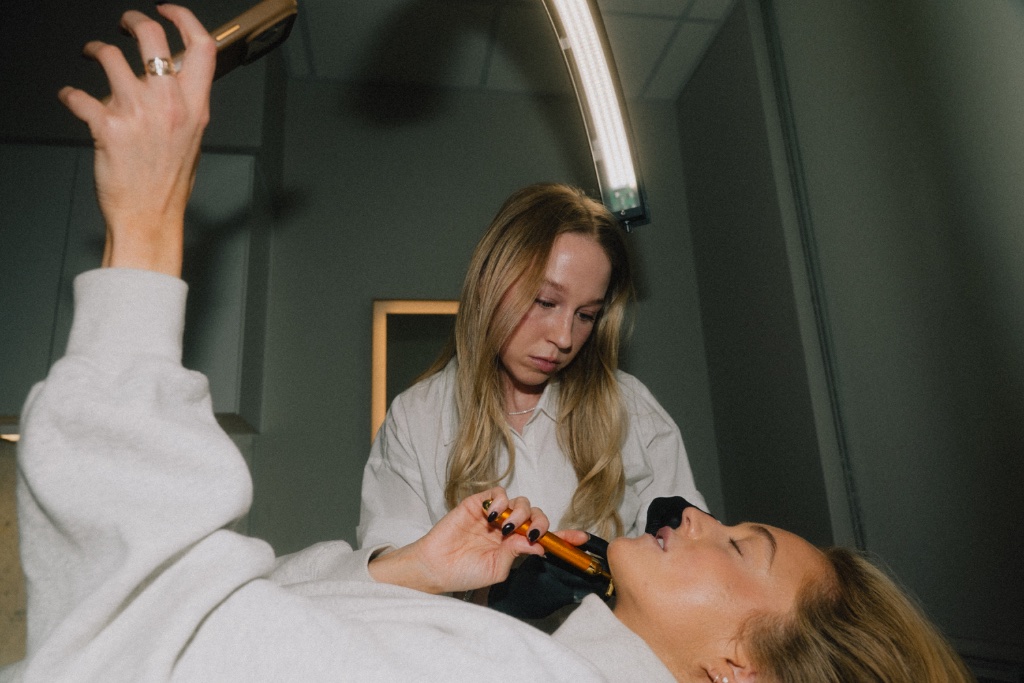
Can You Actually Get a Chemical Peel in Summer?
Yes — in selected cases, chemical peels in summer remain appropriate and effective. The premise that summer categorically excludes peel treatments does not hold up under clinical scrutiny. It conflates very different types of peels, different patients, and very different goals.
Not all peels carry the same seasonal risk. A light, maintenance-oriented peel designed to restore glow and refine surface texture operates very differently from a medium or deep peel designed for aggressive pigment correction or structural resurfacing. The former may be entirely appropriate in July for a patient with controlled sun exposure and strong aftercare habits. The latter may be better deferred for a patient spending weekends outdoors or heading somewhere with significant UV exposure.
"The right question is not 'can you get a chemical peel in summer?' It is 'which peel, for what concern, and under what conditions?' That question has a clinical answer — not a seasonal one."
The primary concern that gives rise to the summer peel warning is valid: post-peel skin is more photosensitive, and sun exposure during the healing period can trigger hyperpigmentation, particularly in patients with more melanin-rich skin. In a city with Dallas-level UV intensity, this concern deserves clinical respect. But the answer to that concern is appropriate patient selection and diligent aftercare protocol — not a blanket six-month moratorium on chemical peels in Dallas.
The Biggest Summer Peel Myths
"You Cannot Do Any Peel in Summer"
This is the most pervasive myth — and the least nuanced. Summer absolutely does require more careful peel selection and more rigorous patient screening. But it does not eliminate chemical peels in summer as a viable treatment category. Lighter superficial peels, carefully selected for the patient's skin type and lifestyle, are a legitimate part of summer skin planning in Dallas. The myth persists because the worst-case outcome of a poorly chosen summer peel — post-inflammatory hyperpigmentation — is vivid and avoidable. The lesson is not "no peels in summer." It is "the right peel, with the right patient, with the right aftercare."
"All Peels Make Skin Too Sensitive for the Season"
The photosensitivity that follows a chemical peel is real — but its magnitude and duration are proportional to the peel's depth and intensity. A gentle enzyme or mild acid peel creates a window of sensitivity measured in days, not weeks. A TCA peel intended for structural correction creates a very different post-treatment period requiring considerably more UV avoidance. Treating all peels as equivalent in their seasonal implications is like treating all laser treatments as equivalent. Formulation, depth, and patient skin type all shape the seasonal conversation.
"Summer Means You Have to Pause All Correction"
Summer skin correction in Dallas should be strategic, not suspended. Some corrective goals — particularly those involving deeper pigment correction and aggressive resurfacing — are indeed better timed for cooler months with lower UV intensity. But maintenance correction, surface refinement, glow-focused renewal, and treatment of concerns not dependent on aggressive exfoliation can often continue through summer with appropriate treatment selection. Correction is not a single category. The type of correction being pursued determines whether summer is appropriate timing.
"Glow Treatments and Corrective Treatments Are the Same Thing"
This conflation causes real confusion in seasonal skin planning. A light peel designed to restore surface luminosity, reduce congestion, and improve texture is not the same clinical event as a peel designed to drive deep pigment correction or aggressive cellular turnover. The former is often a maintenance intervention — appropriate across more of the year for more patient profiles. The latter is a corrective intervention with a more demanding post-treatment period. Understanding this distinction is what separates seasonal generalization from seasonal clinical strategy.
MYTH
"No peels at all in summer"
REALITY
Superficial and maintenance peels remain viable with proper planning
MYTH
"All peels cause the same sensitivity"
REALITY
Peel depth, formulation, and patient behavior vary significantly
MYTH
"Pause all correction until fall"
REALITY
Many improvement goals can be maintained or started with the right treatment selection
MYTH
"Deeper pigment correction is fine anytime"
NUANCE
Aggressive resurfacing and active melasma treatment benefit from careful seasonal timing
MYTH
"Glow and correction are the same"
REALITY
Maintenance glow and corrective resurfacing are distinct clinical categories
MYTH
"XERF is a summer peel alternative"
REALITY
XERF is a structural tightening category — a different conversation entirely
JOLA DALLAS — SUMMER SKIN PLANNING — CHEMICAL PEELS — DALLAS, TEXAS
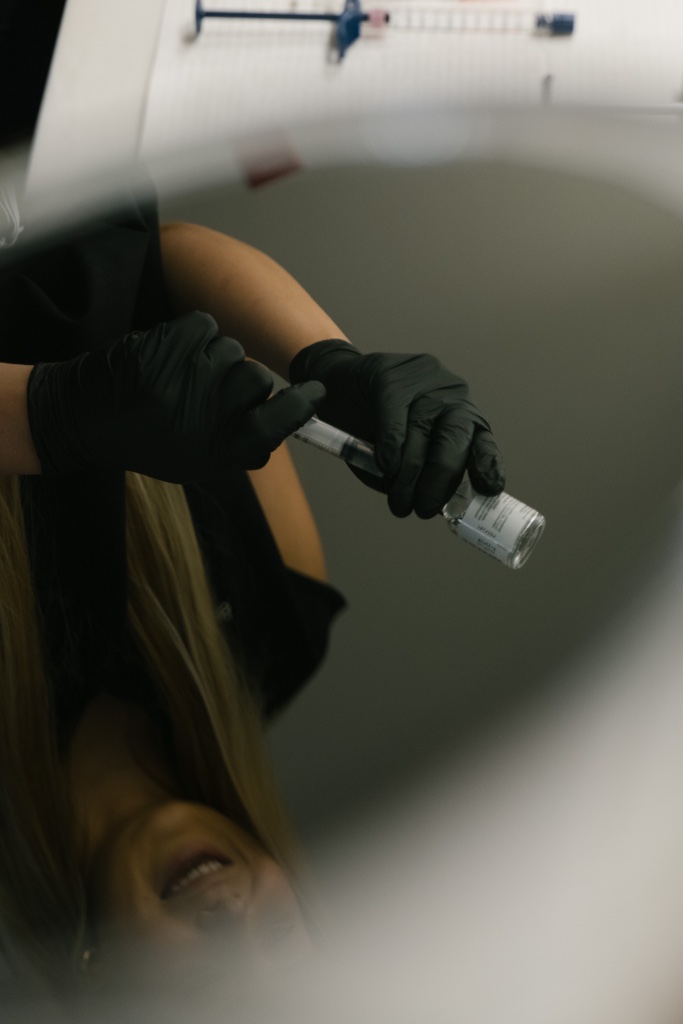
What You Can Often Still Treat With a Chemical Peel in Summer
For patients with appropriate skin types, controlled sun exposure, and strong aftercare discipline, a number of concerns remain viable targets for summer chemical peels in Dallas. These are not aggressive corrective goals — they are the maintenance and polish category of skin care that keeps treated skin performing well between more intensive seasonal interventions.
Surface Dullness and Congestion
Dullness caused by surface buildup, clogged pores, or reduced cellular turnover is a concern that lighter chemical peels address effectively — and that often worsens during summer due to increased sweat, sunscreen accumulation, and environmental exposure. A carefully selected light peel can restore luminosity and surface clarity for patients who maintain UV protection consistently. The goal here is glow and polish, not structural correction.
Mild Texture Irregularity
Light surface texture concerns — minor roughness, mild congestion, early fine line refinement — are appropriate targets for superficial peels year-round when approached with clinical selection. These goals do not require the kind of deep acid penetration that creates a prolonged photosensitivity window. In patients who are diligent about SPF and sun avoidance, summer treatment is often reasonable.
Maintenance-Focused Renewal
Patients who are already in a skin health program and want to maintain the quality of their skin during summer can often continue with appropriately light maintenance peels. This is not about advancing a corrective agenda — it is about sustaining what has already been achieved. At JOLA Dallas's medical-grade facials program, this kind of maintenance care is a legitimate and well-managed part of a year-round skin strategy.
Event Preparation
For patients preparing for a summer event — a wedding, a milestone, a social occasion — a light peel several weeks before the event may be appropriate when selected carefully for timing and depth. The goal is a polished, refined surface quality that photographs well and reads as healthy. A consultation will determine whether a light peel or a different treatment modality is the right approach for the timeline and the concern.

What May Require More Caution or Different Timing
Not all skin concerns are equally appropriate for summer chemical peels. Several categories of treatment goals are better approached with attention to seasonal timing — not because they cannot be done in summer, but because their outcomes are more predictable, more consistent, and more controlled when performed in lower-UV months with less lifestyle disruption.
Deeper Pigment Correction
Patients pursuing significant pigment correction in Dallas — including hyperpigmentation, post-inflammatory marks, or sun damage correction — should approach summer peel planning with particular care. The peels most effective for these concerns are also the ones that create the most significant photosensitivity. Sun exposure during or shortly after aggressive pigment correction can reverse progress or worsen the condition being treated. For these goals, fall and winter remain the more favorable seasons.
Active Melasma
Melasma is particularly UV-sensitive. Treatment of active melasma during peak summer months is one of the clearest cases where seasonal caution is clinically warranted. Summer UV exposure can stimulate melanocytes directly, making even well-selected treatments less stable during this period. Patients with melasma benefit from consultation about timing, maintenance protocols, and whether summer treatment is focused on suppression versus active correction.
Aggressive Resurfacing Goals
Patients seeking significant structural resurfacing — deep texture improvement, scar revision, or multi-pass corrective work — are generally better served by scheduling these goals for the lower-UV months. Not because summer makes it impossible, but because the post-treatment period is more complex to manage, the healing environment is less forgiving, and the outcomes are more controllable with a longer window of UV avoidance available.
Patients With Heavy Outdoor Exposure or Travel Plans
Lifestyle is as clinically relevant as skin type when planning summer chemical peels in Dallas. A patient who spends significant time outdoors — whether for work, sport, or travel — has a fundamentally different post-peel risk profile than a patient with a largely indoor lifestyle and consistent SPF use. The former is a stronger candidate for deferring more intensive treatment. The latter may be an excellent candidate for a well-selected summer peel. Clinical assessment includes this lifestyle conversation explicitly.

Why Peel Type and Patient Lifestyle Matter More Than the Season
The word "chemical peel" encompasses a wide spectrum of clinical interventions — from a gentle enzyme treatment that removes surface buildup with minimal downtime to a trichloroacetic acid application that drives significant cellular turnover and requires careful post-treatment management. These are not the same treatment category sharing a name. They are fundamentally different clinical events with different indications, different healing trajectories, and different seasonal implications.
In Dallas, summer adds real considerations that do not exist in the same way in cooler climates. The UV index during peak summer months in Dallas is among the highest in the country. Outdoor lifestyles — pools, patios, travel — are more common during these months, not less. And the combination of heat, sweat, and environmental factors creates a healing environment that differs from fall or winter. These are not reasons to categorically avoid chemical peels in summer. They are reasons to factor lifestyle and environment into the clinical conversation precisely.
A patient who works indoors, uses medical-grade SPF daily, avoids direct sun between treatments, and has realistic expectations for a maintenance-level intervention can often be well served by a summer peel. The same summer peel is a poor recommendation for a patient who spends weekends at the lake, cannot commit to post-treatment care, or is chasing a corrective result that requires more intensive treatment depth.
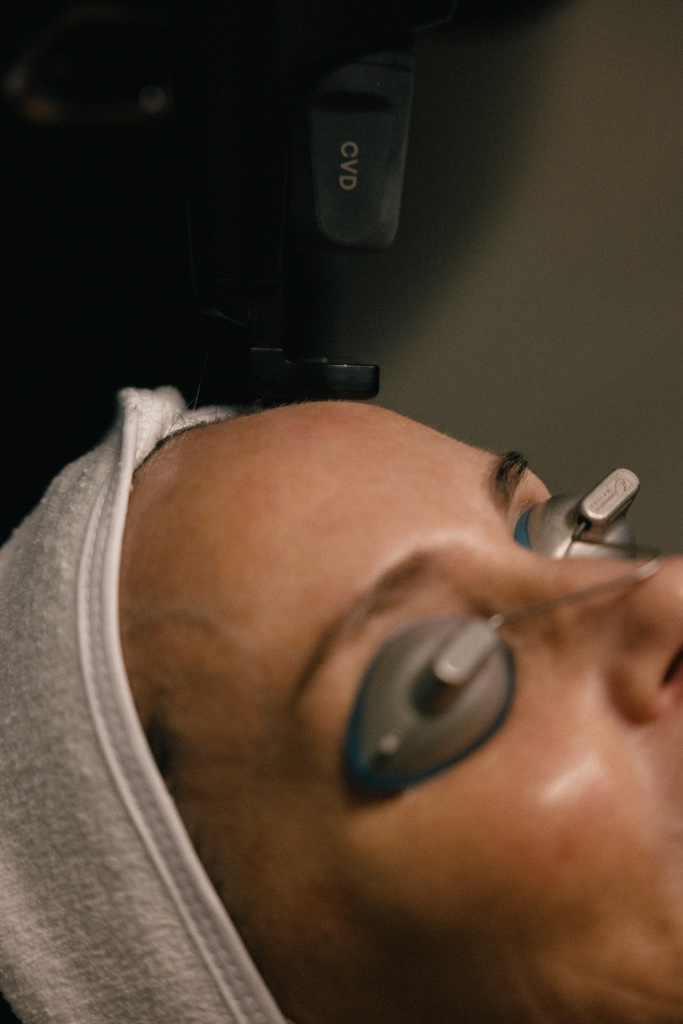
If Not a Peel, Then What? Summer Alternatives Worth Considering
When a chemical peel is not the right seasonal fit — either because of treatment depth, patient lifestyle, or corrective goals that require deferral — summer is not a treatment void. Several categories of treatment offer meaningful skin improvement without the post-treatment photosensitivity that makes intensive peels seasonally complicated.
Medical-Grade Facials and HydraFacial
Medical-grade facials in Dallas — including HydraFacial — offer surface refinement, hydration, and glow-focused improvement without creating a significant post-treatment photosensitivity window. These are appropriate for patients who want consistent skin quality during summer without the aftercare burden of a peel. HydraFacial in particular is well-suited to summer because it also addresses congestion and hydration concerns that are more common in warmer months. The glass skin glow approach at JOLA draws from exactly these categories during summer.
Skin Health Programs
Skin health programs in Dallas offer a structured, supervised approach to skin improvement that adapts treatment selection to the season. Rather than scheduling individual treatments in isolation, a skin health program builds a consistent strategy around the patient's skin type, goals, and the year's UV demands. Summer is often a maintenance and foundation phase within a longer program — protecting what has been achieved and preparing for more intensive treatment in the fall.
Custom Skincare
Strategic summer skincare — medical-grade formulations designed for the season — supports in-office results, manages ongoing skin concerns, and lays the foundation for more intensive correction when conditions allow. Custom skincare is one of the most underutilized tools in summer skin planning precisely because patients tend to think of skin improvement as something that happens in a treatment room. A well-designed skincare protocol extends clinical results and helps maintain skin quality through the months when more aggressive treatment is deferred.
Selected Laser Treatments
Not all laser treatments in Dallas carry the same summer limitations as surface-based chemical peels. Some energy-based treatments — including structural modalities — may be part of a strategic summer plan for appropriate candidates. A consultation clarifies which laser and energy-based options are appropriate given the patient's skin type, sun exposure habits, and seasonal goals.

How JOLA Approaches Summer Skin Planning in Dallas
At JOLA Dallas, there is no single seasonal rule that governs whether a chemical peel in summer is appropriate. The planning process begins with the individual — their skin type, their sun exposure habits, their corrective goals, the treatments they are currently receiving, and the outcomes they are trying to build over time.
This is reflected across every treatment category at JOLA. Chemical peels, medical-grade facials, HydraFacial, pigment correction, and skin health programs are each evaluated in the context of the full clinical picture — not applied through a seasonal template. The same thoughtfulness that governs injectable planning governs skin treatment planning.
For patients who are uncertain whether summer is the right time for treatment, the most useful starting point is a consultation. This clarifies not just whether a peel is appropriate, but what the right treatment is for the season — whether that is a selected peel, a medical-grade facial, a skin health program, or a different modality entirely. Treatment planning at JOLA is built around the patient's goals over time — and summer is a chapter in that plan, not an obstacle to it.
JOLA does not approach summer skin care in Dallas as a seasonal pause. It is an opportunity to do the right work — whatever that work is for the individual skin and the individual patient at this particular moment in the year.

Where XERF Fits Into Summer Skin Planning
Chemical peels in summer belong to the surface-renewal category of skin treatment — they address texture, tone, and cellular quality at the skin's surface level. XERF belongs to an entirely different clinical conversation: structural RF skin tightening that works at the deeper tissue level to support firmness, jawline definition, and lower-face structure.
These two categories address different concerns, operate through different mechanisms, and carry different seasonal considerations. Because XERF in Dallas does not involve surface disruption or the same post-treatment photosensitivity profile as a chemical peel, it can be part of a warm-weather skin and structure plan for appropriate candidates — particularly those who want to use summer productively for structural improvement rather than surface correction.
Patients at JOLA who are considering their summer treatment options sometimes discover that XERF structural tightening addresses a concern — early jawline softening, lower-face laxity, neck transition support — that a peel never could, regardless of season. And XERF's low-interruption profile makes it a practical option for patients who are active and social during summer months.
For patients curious about how XERF results develop and whether summer is a viable window to begin, understanding the XERF results timeline is a useful starting point. A consultation at JOLA Dallas will clarify whether XERF belongs in your summer plan alongside, instead of, or independently from skin-surface treatment.
The broader point is that summer skin planning at JOLA is not a single-category conversation. It draws from the full range of what the practice offers — surface refinement, structural support, skin health maintenance, and strategic deferral — and builds a plan that makes the most of every season.
Plan Your Summer Skin Care at JOLA Dallas
Patients in Dallas, Highland Park, University Park, Preston Hollow, and the Park Cities are welcome to begin with a consultation at JOLA Dallas. Whether your summer goal involves a carefully selected chemical peel in Dallas, a medical-grade facial, a skin health program, or a conversation about structural care — the right starting point is an honest clinical assessment of your skin and what the season allows.
ALSO READ