

JOLA DALLAS — PREJUVENATION / PREVENTATIVE BOTOX / INJECTABLES DALLAS
Something is shifting in how younger patients in Dallas and Highland Park think about aesthetic care. Where previous generations waited until lines were established before seeking treatment, a growing number of women in their 20s and 30s are asking a different question: is there a smarter way to approach this before it becomes something to correct?
The answer — when approached through genuine clinical judgment rather than trend pressure — is sometimes yes. Prejuvenation in Dallas is not about treating everyone earlier. It is about treating thoughtfully, early when it is genuinely indicated, and not treating when it is not. The distinction matters enormously, and it is what separates a well-reasoned preventative approach from the kind of premature, over-treated aesthetic that a generation of patients is now actively trying to avoid.
At JOLA Dallas, the approach to preventative Botox and neuromodulators is governed by the same principles that govern every other treatment category: consultation-led, anatomy-first, and firmly oriented toward natural-looking outcomes. Starting earlier does not mean doing more. In many cases, it means doing less — at the right moment, with the right intention, and with explicit awareness of what should be preserved.

What Prejuvenation Actually Means
Prejuvenation is the practice of starting aesthetic treatment earlier — not to address changes that have already happened, but to support long-term skin and structural goals before they become more difficult to manage. In injectables, this most commonly refers to conservative neuromodulator use in patients whose expression and movement patterns are creating lines that may, over time and without any intervention, settle into permanent static creases.
The logic is straightforward: dynamic lines — the kind that appear with expression and resolve at rest — are the precursors of static lines, which remain visible even without expression. A patient who softens dynamic movement early, conservatively, and selectively may be addressing a concern at a stage when less intervention is required than would be needed years later. Prejuvenation in Dallas is, in this sense, a form of intelligent timing.
"Prejuvenation is not about treating everyone earlier. It is about recognizing when earlier, conservative treatment is genuinely indicated — and having the clinical judgment to know the difference."
What prejuvenation is not is a blanket recommendation that younger patients should start Botox. Age alone does not determine whether preventative neuromodulator treatment is appropriate. Movement patterns, facial anatomy, skin quality, lifestyle, and the patient's own goals all factor into the clinical assessment. Some patients in their mid-20s have strong movement patterns that may benefit from early, conservative softening. Others in their late 30s may still be better served by skincare and sun protection. The assessment governs the recommendation — not the trend.
Why More Women in Their 20s and 30s Are Asking About Botox Earlier
The shift toward earlier aesthetic interest in Dallas is driven by several converging factors — some cultural, some practical, and some genuinely clinical.
First, there is the visibility factor. Younger generations have grown up in a visual culture of high-resolution cameras, close-up video calls, and continuous self-image exposure that previous generations did not experience. Fine lines that might once have been invisible at social distance are routinely visible on a phone screen or laptop camera. This is not vanity — it is a changed visual environment that has made patients more aware of their facial expressions and the traces those expressions leave on skin.
Second, there is the shift in aesthetic preference. A generation of patients who grew up seeing the consequences of over-treatment — frozen foreheads, pillow faces, overfilled lips — is actively choosing a different direction. The preference for natural-looking injectables in Dallas is strongest among younger patients, who tend to want subtle maintenance rather than visible correction. Starting earlier with less product, rather than waiting longer and requiring more, aligns with this preference.
Third, there is growing awareness of the practical logic of prevention. Patients in their late 20s and early 30s who have seen the costs — financial, social, and physical — of aggressive late-stage correction are choosing a different approach. A small, well-placed neuromodulator treatment every several months is a fundamentally different relationship with aesthetic care than periodic corrective procedures later in life. Many patients are making this calculation consciously and arriving at the earlier, more preventative path.
What the Science Actually Suggests About Early Neuromodulator Use
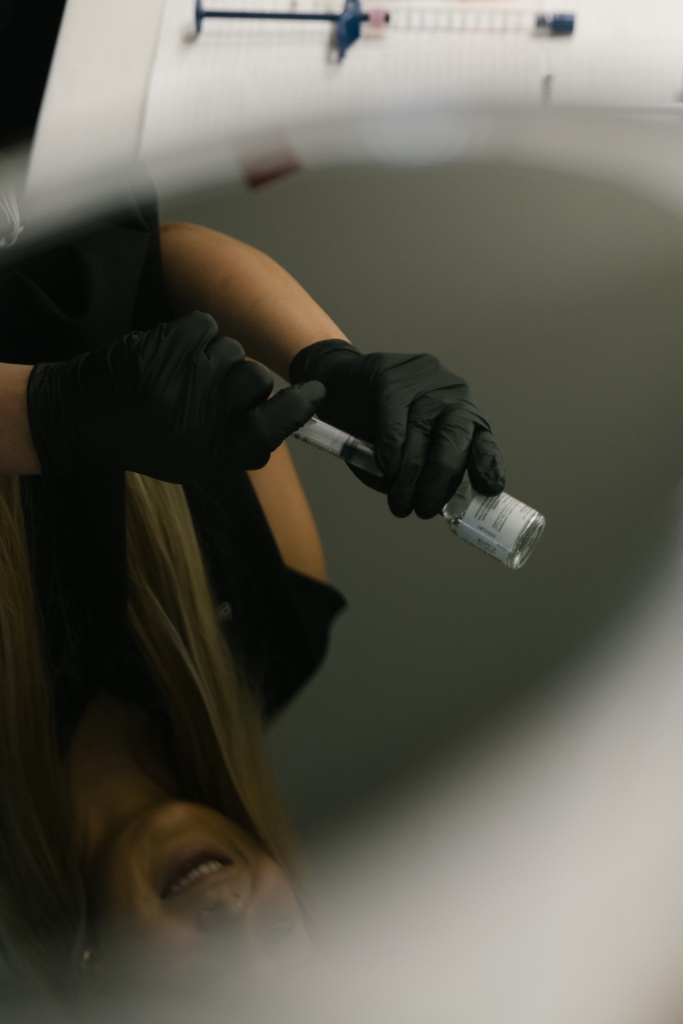
The clinical literature on neuromodulators is extensive, and the discussion around preventative use is an active part of the aesthetic medicine conversation. What the evidence suggests, carefully and without overstatement, is this: repeated facial movement over time is one of the factors that contributes to the formation of static lines — particularly in the forehead, glabella, and periorbital region. Reducing or softening that movement through periodic neuromodulator treatment may, for selected patients, be a reasonable strategy for managing the pace of line formation.
What the evidence does not suggest is that everyone should start Botox in their 20s in Dallas, or that earlier is always better, or that prevention eliminates the need for future treatment. Neuromodulators address movement-related changes — they do not address sun damage, volume loss, skin quality decline, or the structural changes that come with longer-term aging. A patient who focuses entirely on neuromodulators while neglecting skin health, sun protection, and broader lifestyle factors may have a smoother forehead and poor skin quality simultaneously.
The clinical conclusion is not "start early" or "wait." It is: assess carefully, treat what is indicated, preserve what should be preserved, and avoid treating what does not yet need treatment. This is the standard of care at JOLA and the lens through which any preventative Botox conversation in Dallas should be approached.
MOVEMENT
Assessment of expression patterns and dynamic activity
The starting point — not age
PREVENTION
Conservative softening before lines settle permanently
Timing over treatment volume
RESTRAINT
Using the right amount — preserving expression and identity
The art of enough
TIMING
When to start, when to wait, and when a different approach serves better
Clinical judgment, not trend
CONSULTATION
Full-face assessment before any recommendation is made
Assessment first, always
LONG TERM
How neuromodulators and structural care fit into a broader plan
Beyond the single appointment
JOLA DALLAS — PREJUVENATION / PREVENTATIVE BOTOX — DALLAS, TEXAS — CONSULTATION-LED CARE
Who May Be a Good Candidate for Prejuvenation?
Candidacy for prejuvenation in Dallas is determined by movement, anatomy, and goals — not by age alone. Several patient profiles tend to benefit most from early, conservative neuromodulator treatment.
Strong Movement Patterns
Patients with strong, repetitive facial movement — particularly in the forehead, frown lines, and crow's feet area — are the clearest candidates for early conservative neuromodulator treatment. The strength and frequency of movement is a more reliable predictor of line formation than age. A patient in their mid-20s with pronounced brow-furrowing and early glabellar creasing is a different clinical picture than a patient in their late 30s with mild movement and good skin quality.
Early Forehead or Frown-Line Concerns
Patients who are beginning to notice that certain lines — particularly the "eleven" frown lines between the brows or horizontal forehead lines — are starting to remain visible at rest rather than only with expression are in a transition period where conservative treatment is genuinely timely. At this stage, relatively small amounts of neuromodulator can address the dynamic component before a static pattern becomes established.
Patients Who Want Subtle Prevention
Patients who are philosophically aligned with subtle maintenance — who want to look like themselves, refreshed and well-rested, rather than visibly treated — are often well served by a conservative, early approach. These patients respond well to treatment that preserves expression while softening its most visible traces. For them, Botox in their 30s in Dallas or even earlier is part of a deliberate, intelligent self-care strategy rather than a reactive response to visible aging.
Patients Who Value Natural-Looking Maintenance
The patients most suited to prejuvenation are those who can articulate a clear preference for looking natural over looking treated. These patients are not looking for dramatic transformation — they are looking for the kind of consistent, well-managed maintenance that means they never need dramatic transformation in the first place. This is the aesthetic philosophy that JOLA is built around, and it is the philosophy that makes early, conservative treatment make sense for the right patient.

When Starting Early Is Not Always the Right Answer
The most important clinical service a practice can offer around prejuvenation in Dallas is not performing early treatment — it is telling a patient clearly when early treatment is not indicated. This is where trend pressure and genuine clinical care diverge most sharply.
Many patients in their 20s who inquire about preventative Botox in Dallas are actually presenting with concerns that are better addressed through skincare, hydration, sun protection, and lifestyle than through injectables. Fine surface texture, early dehydration lines, mild uneven tone — these are not neuromodulator indications. Recommending Botox to a patient whose concerns are entirely skin-quality related is a disservice dressed as prevention. Skin health programs, medical-grade facials, and custom skincare serve these patients far better than any injectable.
Similarly, some patients are simply not developmentally ready for injectable treatment — not because of their age, but because they have not yet established clear and stable goals, because their concerns may change as they continue to understand their own aesthetic preferences, or because the clinical picture does not yet warrant any intervention. Saying "not yet" is not a failure of care. It is one of the clearest demonstrations of it. JOLA tells patients "not yet" when not yet is the honest answer — and this is part of what choosing the right injector actually means in practice.

What JOLA Means by Natural-Looking Prevention
When JOLA talks about natural-looking neuromodulators in Dallas, the operative word is not "natural" — it is "looking." The goal of treatment is an appearance: one that reads as the patient at their best, not as someone who has had work done. For prejuvenation, this means treatment that is specifically calibrated to soften movement while preserving expression.
Expression is identity. The way a person's face moves when they laugh, concentrate, or show concern is part of how they are recognized and how they communicate. Treatment that over-softens this movement — that creates a smoothed but inexpressive result — is not elegant prevention. It is premature over-treatment that will read as done well before any correction was actually needed. The art of restraint is especially applicable in the context of early neuromodulator treatment: the right amount is the amount that achieves the intention without crossing into the territory of visible intervention.
JOLA uses the right amount — not the maximum amount. For preventative Botox in Dallas and early neuromodulator care, this often means beginning more conservatively than a patient might expect, assessing the result as it settles, and refining from that baseline rather than committing to a full treatment volume at the first appointment. This approach takes longer to reach a final calibration, but it produces results that are consistently more natural, more individual, and more appropriate to the patient's actual anatomy.
The choice between Botox and Dysport is also part of this calibration at JOLA. Different neuromodulators have different onset profiles, spread characteristics, and movement quality — and the right choice for a given patient is part of how a natural-looking preventative outcome is achieved.
What to Expect From a Prejuvenation Consultation at JOLA
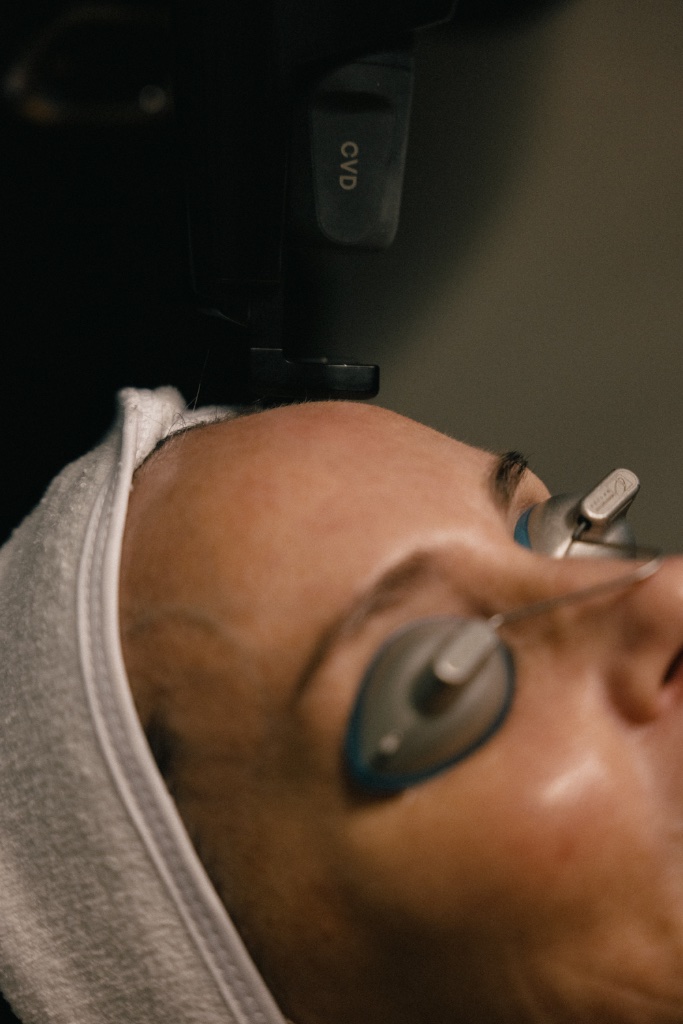
A prejuvenation consultation at JOLA Dallas is not a transaction for a neuromodulator appointment. It is a clinical assessment of whether preventative treatment is actually indicated — and what form it should take if so.
The consultation begins with a conversation about your goals, your concerns, and your timeline. What are you noticing? What do you want to address? What does your aesthetic relationship with your face look like — are you oriented toward subtle maintenance, or are you unsure what you want yet? This part of the consultation is not administrative. It is clinically important because it shapes the assessment and plan that follow.
The clinical assessment evaluates your full face and specifically your movement patterns. The injector looks at which areas show dynamic activity, how strong and repetitive that activity is, what lines are forming or have begun to settle, and whether there are any skin quality concerns that should be addressed first or alongside any injectable treatment. The profile and the front view are both assessed.
From this assessment, a recommendation emerges. It may be conservative neuromodulator treatment in one or two areas. It may be a skincare and skin health program first, with injectable treatment discussed at a follow-up. It may be a clear "not yet" with a framework for when the conversation should be revisited. All of these are good outcomes from a well-conducted consultation — because all of them are honest, clinically sound, and in the patient's genuine interest. This is what JOLA's treatment philosophy looks like in practice.
How Prejuvenation Fits Into a Larger Aesthetic Strategy
Prejuvenation in Dallas is most valuable when understood not as a standalone treatment category, but as the injectable component of a broader long-term skin and facial health strategy. Neuromodulators address one category of concern — movement-related changes. A complete strategy for a younger patient also involves skin quality, collagen support, sun protection, and, at appropriate stages, potentially other treatment categories.
For many patients in their late 20s and 30s, the most effective approach combines conservative neuromodulator care with a structured skin health program — medical-grade skincare, periodic facials, and strategic treatment planning — so that the full range of concerns is being managed rather than just the movement component. Facial balancing, when relevant, is a third layer that ensures any injectable treatment is made in reference to the whole face rather than in isolation.
The treatment planning approach at JOLA holds these categories in relationship with each other — which is how patients in their 20s and 30s build a foundation that will serve them through decades of change, rather than simply managing one concern at a time without a larger architectural vision for their skin and face.
Where XERF Fits Into Long-Term Prevention Thinking
Prejuvenation is most commonly discussed in the context of neuromodulators — but the preventative philosophy applies more broadly. Some patients who are thinking carefully about their long-term facial health are beginning to ask, at an appropriate stage, about structural support as well: the firmness, jawline definition, and lower-face integrity that can shift gradually over time even in younger patients, particularly those with relevant lifestyle or structural factors.
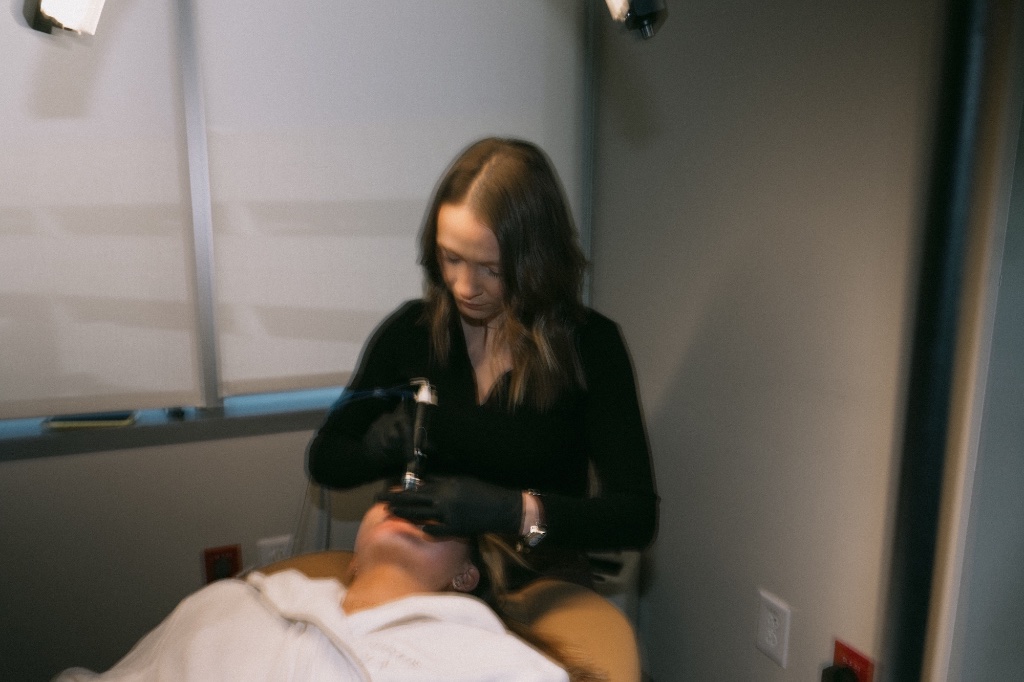
XERF RF structural skin tightening belongs to a completely different clinical category than neuromodulators. Where Botox and Dysport address movement-related surface changes, XERF addresses tissue firmness and structural laxity at the deeper level. These are not alternatives — they address different aspects of the same long-term challenge of maintaining facial health and structure over time.
For patients who are already engaged in a proactive approach to their aesthetic care through neuromodulators and prejuvenation, the question of when structural support becomes relevant is one that belongs in a treatment planning conversation rather than in a trend article. Understanding what XERF is and what it addresses helps patients see how the injectable and structural categories fit together in a long-term plan. And understanding when XERF results develop helps set accurate expectations for how a structural intervention complements the more immediate results of neuromodulator treatment.
The consistent thread across all of these categories — neuromodulators, structural tightening, skin health — is the same philosophy JOLA applies to every decision: consultation-led, anatomy-first, natural-looking, and built for the long term. Prejuvenation in Dallas, at its best, is not a treatment. It is a philosophy of care that starts earlier, thinks further ahead, and produces results that compound quietly over time rather than requiring dramatic correction later.
Begin a Prejuvenation Consultation at JOLA Dallas
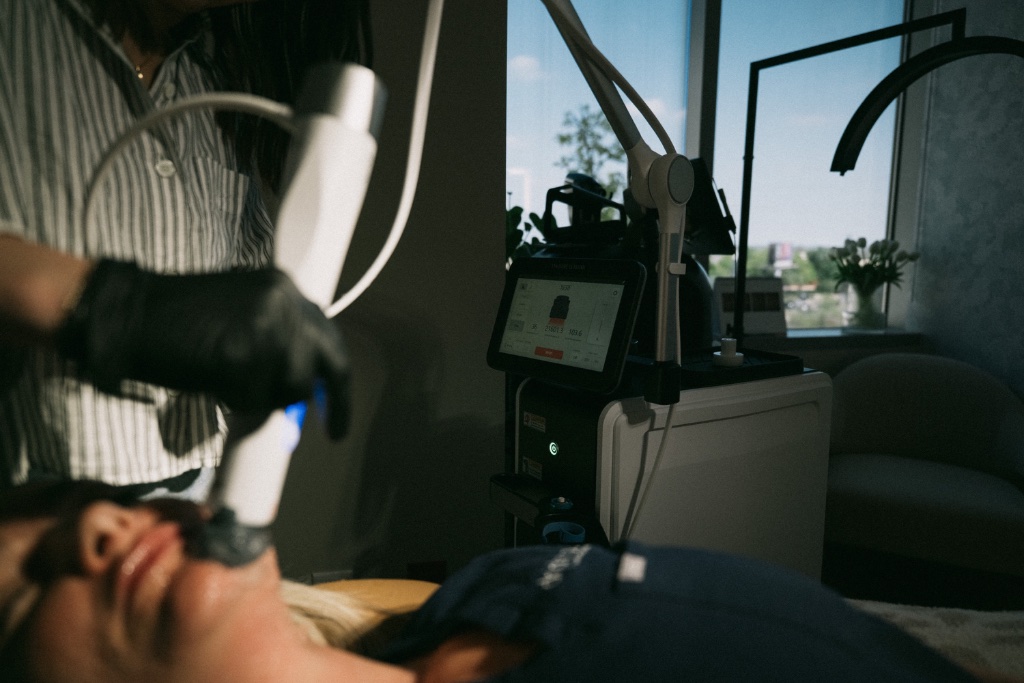
Patients in Dallas, Highland Park, University Park, Preston Hollow, and the Park Cities are welcome to begin a consultation at JOLA Dallas. Whether you are considering preventative Botox in Dallas for the first time, evaluating whether the timing is right, or simply wanting an honest assessment of your movement and skin — the conversation starts with a clinical evaluation, not a treatment assumption.
ALSO READ