JOLA DALLAS
MARCH 2026
INJECTABLES
Botox remains one of the most requested aesthetic treatments in Dallas — and across Highland Park, University Park, Preston Hollow, and the Park Cities — because it works. When placed with anatomical precision and appropriate dosing, it softens the lines that movement creates without erasing the expression that defines a face. The result looks less treated and more rested. Less different and more like yourself.
The challenge is that Botox is easy to do and difficult to do well. The technique, the dosing philosophy, and the provider's understanding of facial anatomy determine whether the outcome looks natural or overdone. For patients considering botox in dallas for the first time — or returning after a disappointing experience elsewhere — this guide outlines what the treatment involves, what to expect at each stage, and what makes the difference between results that feel right and results that do not.
At JOLA Dallas, injectable treatments are approached as precision clinical care — not a volume-driven service. Every plan begins with a comprehensive assessment of your anatomy and goals.
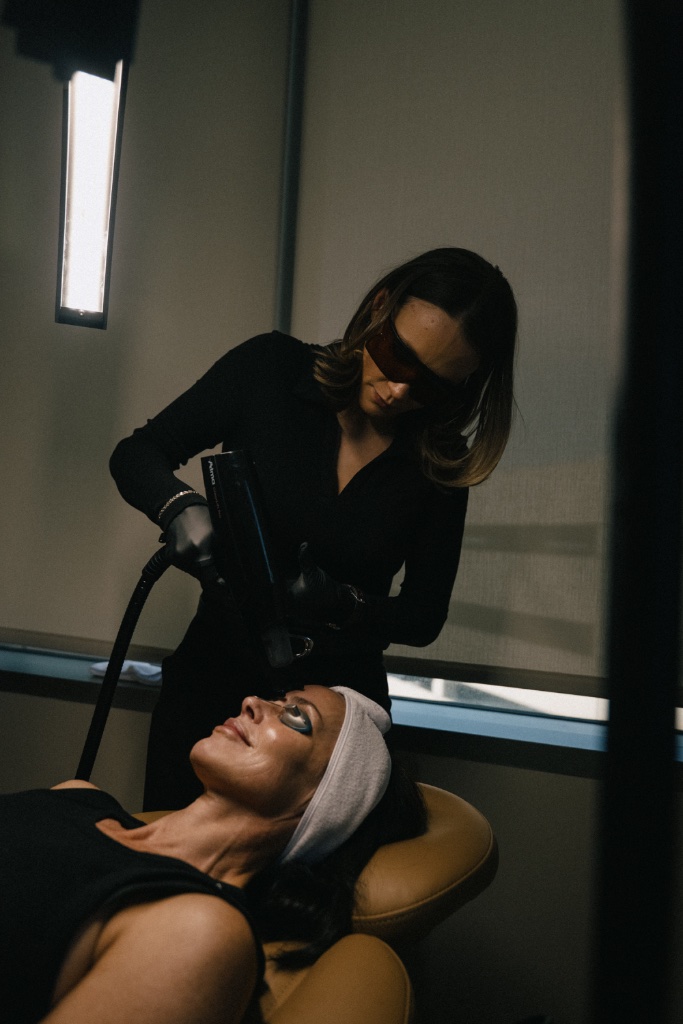
JOLA DALLAS / TREATMENT ENVIRONMENT
What Botox Treats
Botox is a neuromodulator — a purified protein that temporarily reduces the activity of specific facial muscles. It is most commonly used for dynamic lines: the creases and folds that form as a result of repeated muscle contractions over time. The primary treatment areas include:
Forehead lines
The horizontal creases that develop with raised brow expressions. Forehead Botox in Dallas is one of the most frequently requested treatment areas, and one that requires careful dosing to prevent brow heaviness.
Frown lines (the 11s)
The vertical lines between the brows, created by the corrugator and procerus muscles. These often respond well to Botox and benefit from early, preventative treatment.
Crow's feet
The lines that fan outward from the outer corners of the eyes with smiling and squinting. Botox here consistently produces natural-looking improvement while preserving the warmth of a genuine smile.
Brow position and upper-face refinement
Strategic placement can subtly elevate the outer brow, open the eye area, and create a more rested appearance without surgical intervention.
Lip lines and chin dimpling
Small amounts of Botox can soften perioral lines and reduce the cobblestone texture of a hyperactive chin muscle — often used as part of a broader facial balancing strategy.
In each area, the priority at JOLA is preserving natural movement. The goal of natural botox dallas is not immobility — it is the version of your face that looks like it has rested well, not like it has been treated.
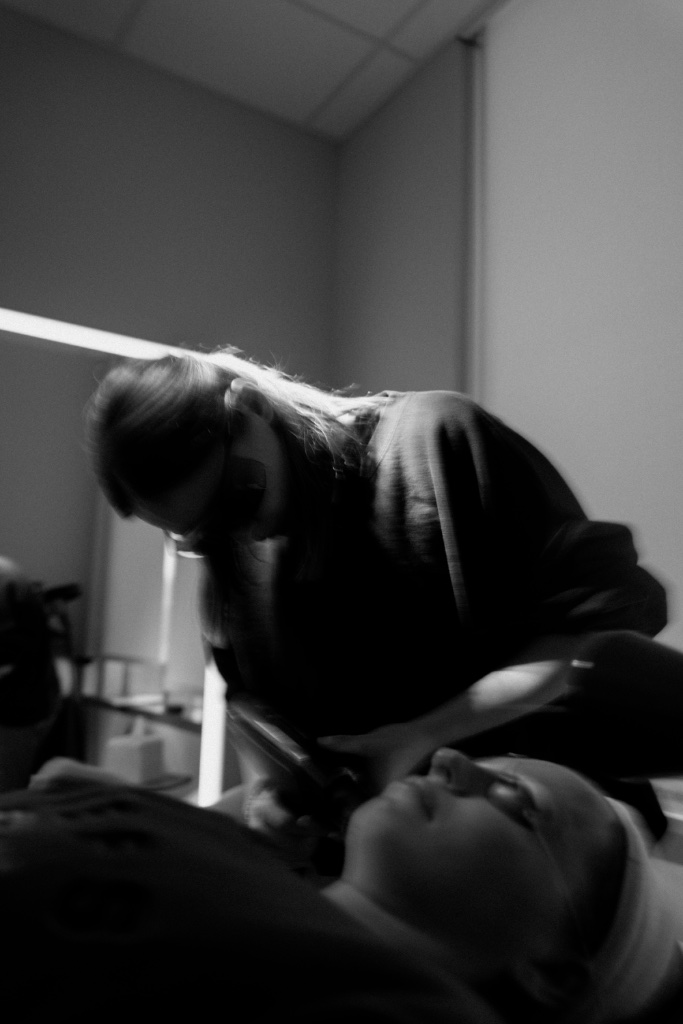
UPPER FACE STUDY / NATURAL MOVEMENT PRESERVATION
Botox vs. Dysport: What Is the Difference?
Both Botox and Dysport are neuromodulators — injectable proteins that work by blocking the nerve signals that cause specific muscles to contract. For patients researching dysport vs botox dallas, the core distinction is not one of category but of formulation.
Dysport has a smaller molecular structure, which means it may diffuse slightly more broadly from the injection site. This can be an advantage for larger muscle groups — such as the forehead — but requires more precise consideration near smaller, more isolated muscles. Dysport also tends to show an initial onset slightly faster than Botox, with some patients noticing early relaxation within two to three days.
Botox, the most widely studied neuromodulator available, is dosed differently by unit and tends to offer slightly more predictable localization — making it the preferred choice for precise placement in areas like the brow and lower face.
In practice, the right choice depends on your anatomy, the treatment areas being addressed, and your provider's experience with both products. At JOLA, the recommendation is made after a full assessment — not defaulted to one product across all patients. Both are available as part of our injectables program in Dallas.
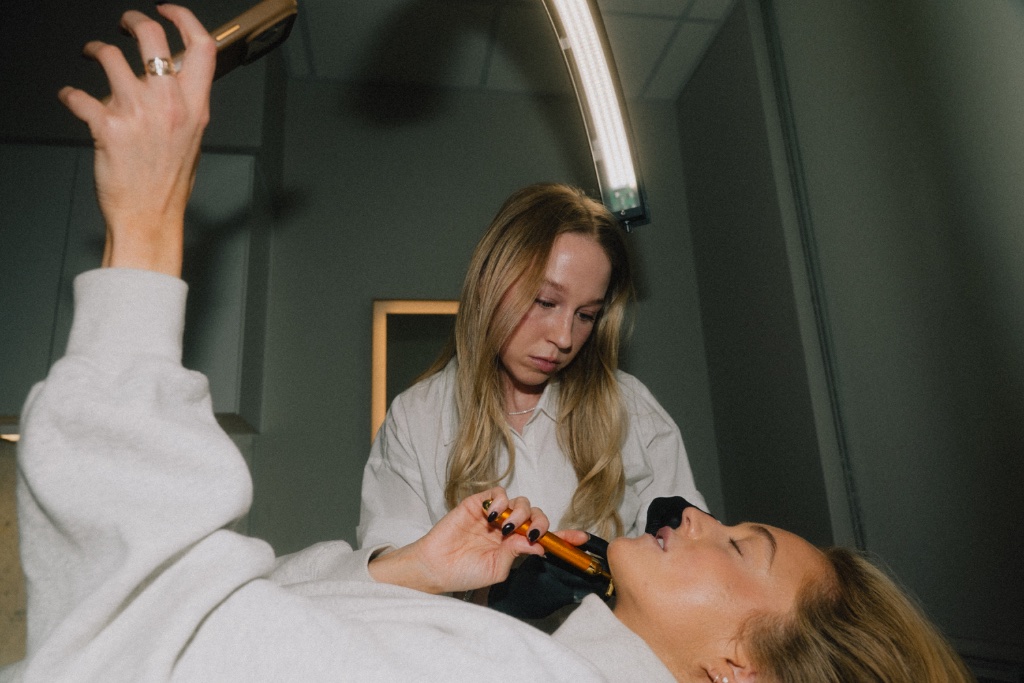
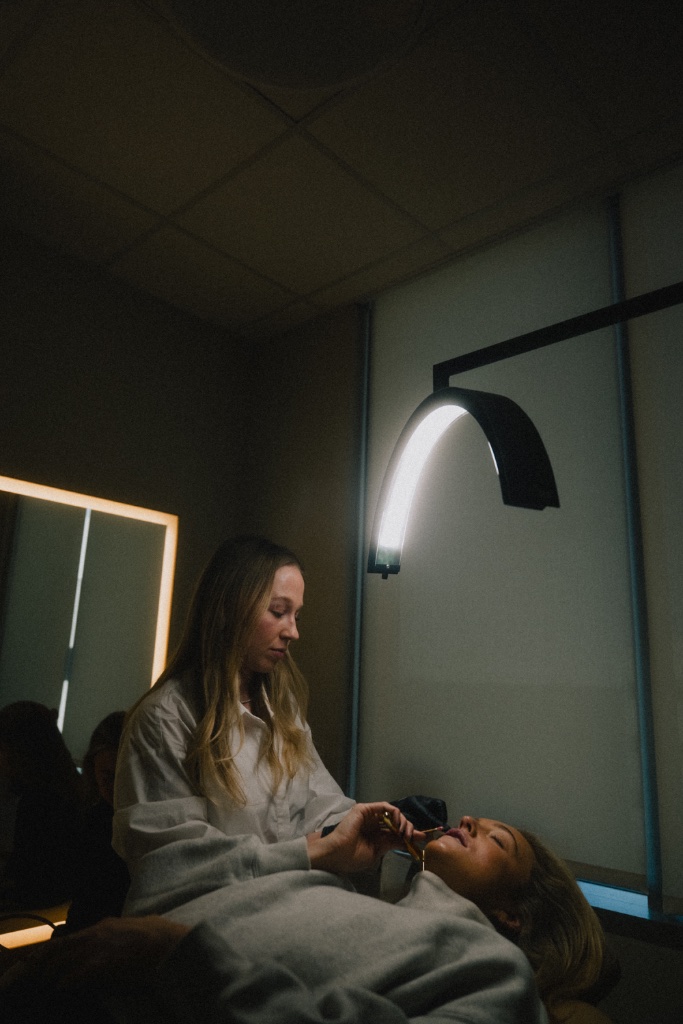
CONSULTATION STUDY / ANATOMY ASSESSMENT
What to Expect During a Botox Appointment
Consultation and Full-Face Assessment
Every Botox appointment at JOLA begins with a conversation — not an injection. Your provider will assess your full-face anatomy: muscle activity at rest and in motion, existing lines and their depth, facial proportions, and the way you naturally move and express. A botox consultation dallas of this kind takes longer than a simple volume assessment, but it is the reason the outcomes look different.
This is also the moment to discuss your goals with clarity. Whether you want to address a specific line, pursue a preventative approach, or refine your upper face as part of a broader aesthetic strategy — your provider will build a plan that reflects your priorities. A full-face assessment is available for patients seeking a more comprehensive treatment planning session.
Treatment Areas and Injection Planning
Once the assessment is complete, your provider will map the injection points — identifying the precise muscle locations, determining the appropriate depth, and calculating the number of units per area. This mapping is not generic. It is based on your specific facial anatomy: where your muscles insert, how dominant they are, and how they interact with surrounding structures.
The same dose applied to two patients with different muscle anatomy will produce different results. This is why individualized treatment planning — not a standard unit count — is the foundation of a well-executed outcome.
Comfort and Treatment Time
Botox injections are administered with a very fine needle and cause minimal discomfort. Most patients describe a brief, mild pinch at each injection point. No numbing is required for a standard upper-face treatment, though topical numbing is available on request.
The treatment itself typically takes 15 to 30 minutes, depending on the number of areas being addressed. There is no incision, no downtime, and no recovery period. Patients often return to normal activities immediately after their appointment.
Aftercare and Immediate Post-Treatment Guidance
The first few hours following treatment carry some straightforward recommendations:
- 01
Avoid lying flat or inverting for four hours post-treatment.
- 02
Avoid direct pressure or massage on treated areas for 24 hours.
- 03
Skip intense exercise for 24 hours to minimize flushing and potential product migration.
- 04
Avoid heat exposure — saunas, steam rooms, or extended sun exposure — on the day of treatment.
- 05
Mild bruising at injection sites is normal and typically resolves within a few days.
Your JOLA provider will review complete aftercare guidance before you leave. A two-week follow-up is recommended for first-time patients to assess the outcome and address any areas requiring refinement.
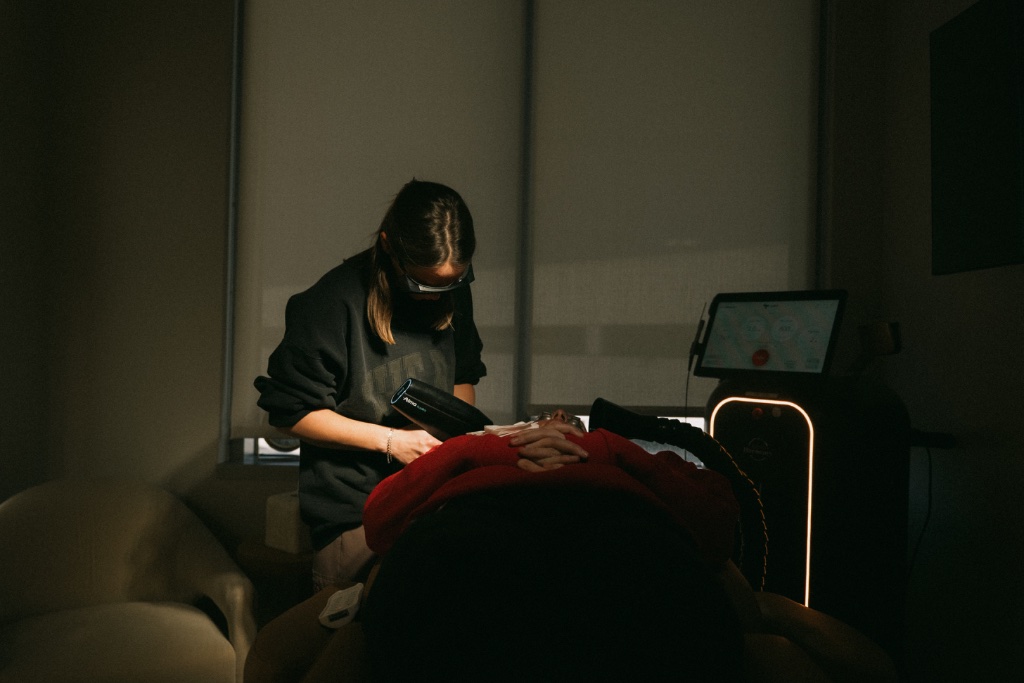
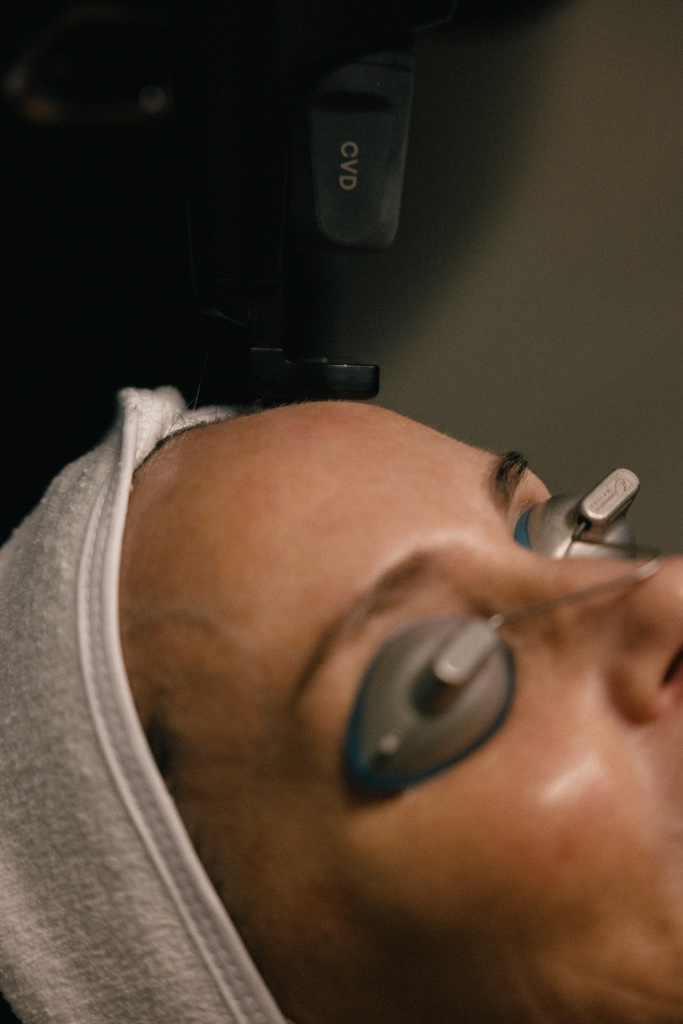
TREATMENT DETAIL / NEUROMODULATORS DALLAS
When Botox Starts Working and How Long It Lasts
Understanding the timeline of what to expect after botox helps patients interpret their results accurately and plan their maintenance accordingly.
Days 3–5
Initial relaxation begins. Patients often notice the first signs of muscle softening and reduced movement, particularly in the forehead and brow area.
Days 7–10
Results become more apparent. Lines begin to smooth, and the treated muscles are visibly less active.
Day 14
Full effect. This is the benchmark moment — where the final result of the treatment is visible and assessable. A follow-up appointment at this point allows for refinement if needed.
Months 3–4
For most patients, results begin to soften and muscle activity gradually returns. This is the natural window for a maintenance appointment.
Duration varies between patients. Metabolism, muscle strength, activity level, and the number of units used all influence how long results are maintained. Patients who receive consistent treatment over time often find that their results last slightly longer as muscles gradually habituate to reduced activity.
The most common maintenance rhythm for patients receiving botox in dallas is three to four times per year, spaced evenly to sustain a consistent level of refinement. Your provider will discuss a realistic maintenance rhythm at consultation based on your specific goals and response.
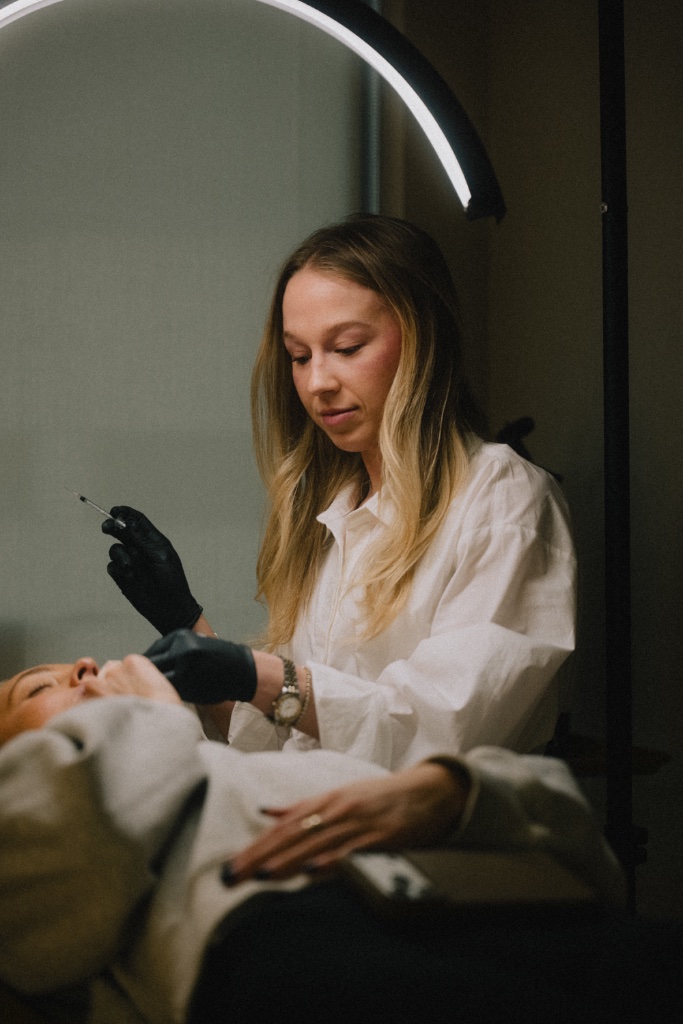
JOLA DALLAS / INTERIOR STUDY
How Much Does Botox Cost in Dallas?
Botox cost dallas varies, and any flat-rate figure presented before an assessment should be treated with appropriate caution. The actual cost of treatment depends on several variables that cannot be accurately determined without examining your anatomy:
Number of units
Botox is administered in units. The number of units needed varies based on muscle mass, activity level, and the degree of movement being addressed. A patient with strongly active muscles in the forehead will require more units than a patient with lighter muscle activity — and the appropriate dose differs significantly by individual.
Treatment areas
A patient treating only crow's feet will require significantly fewer units — and therefore incur lower cost — than a patient pursuing a full upper-face treatment plan addressing forehead, frown lines, and lateral brow elevation.
Treatment plan scope
Patients who also incorporate Dysport, lip Botox, masseter treatment, or broader facial balancing will naturally see a different pricing structure than those seeking a targeted single-area appointment.
At JOLA, pricing is discussed transparently at consultation — where your provider can give you an accurate picture of what your plan will involve and what it will cost. We do not operate on discount promotions or session-based volume pricing. We recommend what is clinically appropriate and price accordingly. To understand what your Botox treatment would involve, book a consultation.
Why Natural-Looking Botox Depends on Technique

NATURAL EXPRESSION / ANATOMY-FIRST TECHNIQUE
The question patients ask most frequently — and most meaningfully — is how to achieve results that look natural. The answer is not in the product. It is in the approach.
Natural botox dallas outcomes require an injector who understands not just where the muscles are, but how they interact with each other, how they contribute to your specific expression, and what happens at the surface when they are relaxed. A provider who simply follows a standard injection map — the same placement and dose applied to every forehead — will produce consistent results that look correct on average but wrong on you.
The principles that differentiate a natural-looking outcome at JOLA include:
Conservative dosing
Under-treatment is always preferable to over-treatment. Botox can be added at a two-week follow-up; it cannot be removed early if overdone.
Anatomy mapping before placement
Injection points are determined by your individual anatomy — not a standard template.
Movement preservation
The goal is to reduce the lines that bother you, not to eliminate all upper-face movement. Patients should still be able to raise their brows and express normally.
Brow balance awareness
The relationship between forehead muscles and the brow is nuanced. Overtreatment of the forehead without consideration of brow support can create heaviness or a lowered brow position.
Long-term planning
The best outcomes are built over multiple treatments, with dosing and placement refined based on how each patient responds. A one-off appointment with an unknown provider rarely achieves the same calibration as a trusted, consistent treatment relationship.
Searching for best botox dallas often leads patients to providers with strong social media presence or aggressive promotional pricing. A better indicator is whether the practice takes the time to understand your face before placing a single unit.
Who Is a Good Candidate for Botox?
Botox is appropriate for a wide range of patients. There is no single profile — but there are several common scenarios in which treatment is particularly well-suited:
First-time Botox patients
Patients exploring Botox for the first time benefit most from a conservative, anatomy-led approach that allows them to see what subtle treatment looks and feels like. Starting with less and adjusting at the two-week mark is the standard approach at JOLA.
Preventative Botox patients
Patients in their mid-to-late 20s and early 30s increasingly seek Botox before visible lines have fully established — to slow the deepening of dynamic lines over time. This is supported clinically and represents a growing portion of JOLA's patient base in Dallas and Highland Park.
Patients seeking upper-face refinement
The forehead, brow, and eye area account for much of the facial reading of age and expression. Precise upper-face Botox can produce a meaningfully refreshed appearance without altering how a face moves or communicates.
Patients pairing Botox with a broader plan
Botox works most effectively when paired with a coordinated aesthetic strategy. Patients receiving dermal fillers, collagen banking, skin rejuvenation, or facial balancing benefit from Botox as one component of a more integrated plan.
Botox is not appropriate for patients who are pregnant or breastfeeding, those with certain neuromuscular conditions, or those with known hypersensitivity to botulinum toxin. A full medical history review is part of every consultation.
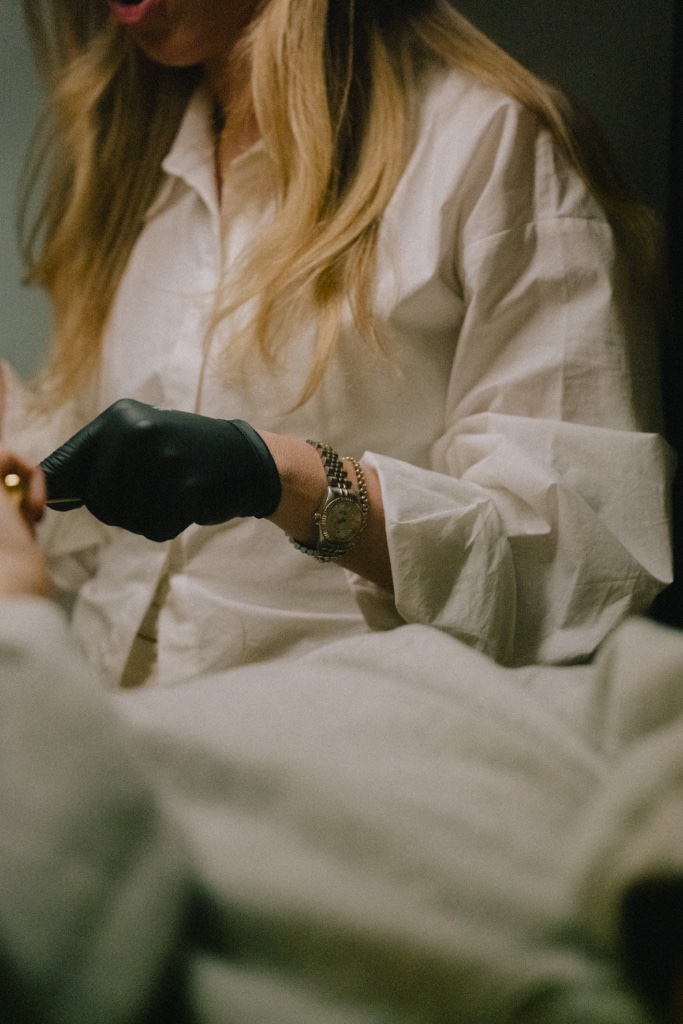
FOREHEAD BOTOX DALLAS / NATURAL EXPRESSION STUDY
Related Treatments to Consider
Botox is often one part of a broader aesthetic plan. The treatments most frequently paired with neuromodulators at JOLA include:
Dysport
An alternative neuromodulator with slightly faster initial onset and a different diffusion profile. Recommended for specific anatomical contexts.
Facial Balancing
A whole-face approach to injectable treatment that considers proportion, symmetry, and long-term structure. Often incorporates both Botox and dermal fillers.
Lip Enhancement
Subtle shaping, hydration, and proportion refinement using carefully placed filler and, in some cases, small amounts of perioral Botox.
Under-Eye Treatments
Strategic correction for hollowness, shadowing, and fatigue beneath the eyes — often using PRF, filler, or a combination approach.
Skin Rejuvenation
Collagen-stimulating protocols and laser treatments that complement the surface refinement achieved through neuromodulators.
Full-Face Assessment
A comprehensive consultation that evaluates your anatomy, concerns, and goals to build a coherent, long-term treatment strategy.
Frequently Asked Questions
How long does Botox last?
Botox typically lasts three to four months for most patients, though results vary depending on the treatment area, the number of units used, individual metabolism, and muscle activity. Patients who maintain a consistent treatment rhythm often notice that results gradually extend over time as the treated muscles develop a pattern of reduced contraction.
When will I see Botox results?
Most patients begin to notice the effects of Botox within three to five days of treatment. Full results — where muscle relaxation is complete and the surface expression of lines is at its most refined — are typically visible at the two-week mark. Your JOLA provider will schedule a follow-up if any refinement is warranted.
How much does Botox cost in Dallas?
Botox pricing in Dallas varies depending on the number of units required, the treatment areas addressed, and the overall scope of your plan. Rather than quoting a flat rate, JOLA provides personalized pricing at consultation — where your provider can accurately assess your anatomy, discuss your goals, and recommend a plan calibrated to you. A consultation is the most accurate way to understand what your treatment will involve.
What is the difference between Botox and Dysport?
Both Botox and Dysport are neuromodulators that temporarily relax the muscles responsible for dynamic expression lines. They share the same mechanism of action and treat the same concerns. The practical differences lie in molecular size, diffusion radius, and onset timing — Dysport often shows initial results slightly faster, and its smaller molecule may spread more broadly, which can be either an advantage or a consideration depending on the treatment area. Your JOLA provider will recommend the appropriate product based on your anatomy and goals.
How do I get natural-looking Botox results?
Natural-looking results come from an anatomy-first approach — understanding your facial structure, muscle anatomy, dominant expressions, and what movement matters most to you before a single unit is placed. Achieving subtlety requires conservative dosing, thoughtful placement, and a provider who is not trying to erase your face but to refine it. At JOLA, the goal is never transformation. It is a better version of what is already there.
NEXT STEP
Botox in Dallas, approached with anatomy and restraint.
Begin your consultation at JOLA Dallas. A full-face assessment is included with every new patient appointment, and pricing is discussed openly before any commitment is made.