
THE RECOVERY STUDY / JOLA DALLAS
FRACTIONAL CO2 RECOVERY
eCO2 3D Downtime & Recovery: A Day-by-Day Guide to Fractional CO2 Healing
What healing can look like after fractional CO2 resurfacing, and why downtime depends on the treatment you actually receive.
JOLA Dallas.
THE QUESTION
“HOW MANY DAYS
OF DOWNTIME?”
FIRST: HOW MUCH RESURFACING?
INTENSITY.
DENSITY.
AREA.
ENDPOINT.
SKIN RESPONSE.
AFTERCARE.
THE TREATMENT PLAN
CREATES THE RECOVERY PLAN.
THE 60-SECOND ANSWER
How much downtime does eCO2 3D have?
eCO2 3D is a fractional 10,600 nm CO2 resurfacing platform. There is no single downtime number that applies to every treatment. Recovery varies with treatment intensity, density, treated area, clinical endpoint, individual skin response and provider protocol. A lighter resurfacing approach and a more intensive fractional CO2 treatment should not automatically be expected to produce identical healing experiences.
Depending on treatment, common changes after fractional ablative resurfacing may include redness, warmth, swelling, dryness, roughness, flaking or peeling, a bronzed or darkened surface appearance and temporary pinkness. Looking presentable and recovering the skin barrier are different questions. Deeper remodeling may continue after visible recovery. Exact expectations, approved products and activity clearance must come from your individualized JOLA instructions, not from another patient’s diary.
The useful question is not simply, “How much downtime does CO2 have?” It is, “What level of resurfacing am I receiving, and what recovery should I expect from that specific treatment?”
01 / THE VARIABLES
How long does eCO2 3D recovery take?
There is no universal recovery duration for eCO2 3D. The clinical exposure and skin response determine barrier repair and visible change; social comfort adds another timeline. Ask JOLA for treatment-specific expectations, follow-up and activity clearance rather than using one advertised number for every patient.
What does downtime actually mean?
Downtime can mean visible changes, practical limitations or biological healing. A return-to-work estimate does not necessarily establish barrier recovery or finished remodeling.
HEALING AND LOOKING PRESENTABLE ARE NOT THE SAME TIMELINE.
What is social downtime?
Social downtime describes when appearance makes you prefer to postpone work, meetings, photographs or events. It does not automatically mean medical confinement at home.
What is biological healing?
Surface repair and collagen remodeling are different processes. Skin can look presentable while sensitivity remains and deeper tissue change continues.
LOOKING HEALED DOES NOT MEAN REMODELING IS FINISHED.
THE VISIBLE TIMELINE
Looking presentable.
Appearance, work, meetings and photographs. Personal comfort matters; it is not a barrier assessment.
THE BIOLOGICAL TIMELINE
Repair and remodeling.
Surface closure, sensitivity and deeper tissue change. Provider clearance matters; remodeling can continue after visible normalization.
Why CO2 downtime varies
Energy, density, area, passes, endpoint, skin response and aftercare influence recovery. Density describes the proportion treated; overlapping passes can change exposure.
ENERGY + DENSITY + AREA + PASSES + ENDPOINT + SKIN RESPONSE + AFTERCARE = RECOVERY EXPERIENCE.
eCO2 3D is not one treatment setting
Manufacturer specifications include 10,600 nm, 40W, three tip sizes and Static/Dynamic modes. FDA labeling groups the 500 μm tip with non-fractional handpieces.
SAME MACHINE. DIFFERENT TREATMENT. DIFFERENT RECOVERY.
Lighter versus more intensive CO2 recovery
Lighter treatment generally creates less visible recovery potential. Depth and density still matter independently. These are conceptual descriptions, not verified JOLA intensity categories.
Lighter resurfacing
Less intensive visible recovery potential
Moderate fractional resurfacing
A greater surface-care burden may apply
More intensive resurfacing
Greater visible recovery potential
Conceptual, not to scale. Individual recovery varies. These are not verified JOLA treatment categories.
Does more downtime mean better results?
There is no universal relationship. Recovery reflects exposure and response, not treatment quality. More inflammation can add burden without improving the target.
MORE DOWNTIME IS NOT PROOF OF MORE EFFECTIVE TREATMENT.
Does more peeling mean better results?
No. Shedding is not a reliable improvement measurement. Different settings and skin responses produce different peeling. Do not try to increase it.
Does more redness mean the laser worked better?
No. Redness reflects inflammatory and vascular response, not treatment precision or collagen change. Unexpected progression deserves assessment rather than celebration.
REDNESS IS NOT A RESULTS METER.
Does more swelling mean better results?
No. Swelling reflects inflammation and can temporarily smooth contours. Compare outcomes after recovery using consistent photographs, not the fullness of early edema.
02 / THE CHRONOLOGY
What does CO2 recovery look like day by day?
Day-by-day recovery is a set of possible windows, not a guaranteed sequence. Early warmth, redness and swelling may evolve into roughness, flaking or pinkness, depending on treatment. The calendar below is educational: it does not assign a peeling date, prove healing or replace individualized JOLA instructions.
The first hour after eCO2 3D
Warmth, erythema, sensitivity, swelling or a visible treatment pattern may occur. Before leaving, confirm your expected response and individualized JOLA instructions.
The first evening
Use the written care plan, including approved protection and comfort measures. This article specifies no JOLA products, washing frequency or medications.
CO2 laser Day 1
Day 1 may involve redness, warmth, swelling and sensitivity. Your provider's anticipated range is more relevant than another patient's online photograph.
CO2 laser Day 2
Inflammation may remain while repair progresses. Dryness or roughness can become noticeable. Day 2 is not a universal peeling or skincare milestone.
CO2 laser Day 3
Some patients notice darkened surface material or flaking; others remain inflamed. These are possibilities, not requirements. Increasing discomfort warrants prompt provider contact.
CO2 laser Day 4
Areas may show mixed stages of shedding and sensitivity. Removing flakes to create a uniform appearance can disturb the healing surface.
CO2 laser Day 5
Day 5 does not automatically mean makeup-ready or work-ready. Consider barrier status, occupation and instructions rather than a manufacturer activity example.
CO2 laser Days 6–7
Appearance may change substantially while pinkness or sensitivity remains. One week does not establish complete healing; your examination determines appropriate next steps.
CO2 laser Week 2
Week 2 is a review window, not a guarantee. Pinkness, dryness or sensitivity may persist. Institutional estimates do not replace treatment-specific assessment.
CO2 laser Weeks 3–4
Visible normalization and remodeling may continue. Persistent or increasing redness deserves review rather than automatic reassurance; a quieter surface is not a final result.
Month 1 and beyond
Remodeling may continue over months. Manufacturer descriptions of dermal change do not guarantee an outcome. Follow-up should assess response, photographs and symptoms.
THE MIRROR AND THE BIOLOGY ARE NOT ALWAYS ON THE SAME CLOCK.
The eCO2 3D recovery timeline
These stages overlap and may be skipped after lighter treatment. Select a window to understand discussion points, not to diagnose yourself or establish clearance.
Treatment
The selected area, intensity and endpoint set the context. Confirm instructions and contact arrangements before leaving.
Stages may overlap or be less apparent after lighter treatment. Not a patient recovery photograph, diagnosis or clearance schedule.
03 / THE SURFACE
What is normal after CO2?
Redness, warmth, swelling, roughness, dryness, flaking and temporary pinkness are described after fractional ablative resurfacing. Their extent and progression depend on exposure. A symptom is not automatically normal because it appears on a list; unexpected worsening or concerning changes should be assessed against your treatment-specific expectations.
Why does CO2 make skin red?
Inflammatory repair and increased local blood flow contribute to erythema. Exposure and baseline skin influence visibility; lighting can exaggerate or conceal redness.
How long does CO2 redness last?
Duration varies with exposure and response. Ask for your expected range and reassessment threshold rather than applying a single number to every protocol.
Why can skin stay pink after CO2?
Vascular and inflammatory changes can outlast surface closure. Pinkness is not automatically an open wound or final result; symptomatic persistence needs review.
When is redness not normal?
Unexpected worsening, spreading redness, increasing pain, concerning drainage or systemic symptoms warrants contact. Infection and irritation can resemble healing; do not self-diagnose.
WHEN IN DOUBT, CONTACT YOUR TREATING PROVIDER.
Why does CO2 cause swelling?
Inflammation can increase fluid within treated tissue. Amount depends on exposure, anatomy and response. Not every patient experiences the same swelling.
When is CO2 swelling worst?
Early swelling is recognized, but no universal peak day applies. Ask about expected progression; unexpected escalation or eye symptoms needs prompt assessment.
How long does CO2 swelling last?
Duration is treatment-dependent. Persistent or increasing swelling outside your expected course, especially with pain, fever or concerning drainage, should be reported.
Eye swelling after facial CO2
Nearby tissue may swell, without implying eyelid treatment. JOLA periocular protocols are unverified. Eye pain, visual change or difficulty opening an eye requires urgent assessment.
Why does CO2 skin feel rough?
Drying and shedding can create temporary roughness. This is not permission to exfoliate; use prescribed cleansing rather than mechanically trying to restore smoothness.
Why does skin look bronze or darker?
Dark surface material is not automatically PIH. Persistent discoloration or a concerning pattern requires assessment rather than a diagnosis based solely on color.
Does eCO2 3D peel?
Flaking may occur depending on intensity and response. Dramatic sheets are not required. Lack of obvious peeling does not establish an ineffective treatment.
When does CO2 peeling start?
No universal start day applies. Shedding may be fine flaking rather than dramatic peeling; ask about your anticipated course before the appointment.
How long does CO2 peeling last?
Duration can vary across treated areas. Ending flaking does not prove barrier recovery or authorize makeup, acids and your usual skincare routine.
Should you pick peeling skin?
Do not pick or pull healing skin unless your clinician directs a care step. Request help with uncomfortable material instead of removing it.
What is CO2 crusting?
Crusting means dried surface material after some ablative treatments. It is not a depth or success measurement. Manage it only through prescribed care.
Is crusting normal after CO2?
It is reported after ablative resurfacing, particularly intensive exposure. Increasing discomfort, concerning drainage or delayed healing should not be dismissed as ordinary crust.
Pinpoint bleeding after CO2
Some ablative endpoints can cause pinpoint bleeding. JOLA endpoints are unverified here, so it is not universally expected. Persistent or unexpected bleeding needs advice.
Oozing after CO2
Early fluid release occurs with some ablative treatments. Increasing, foul-smelling or concerning drainage needs review, not automatic reassurance or self-prescribed antibiotics.
Does CO2 hurt after treatment?
Soreness and sensitivity may occur. Use only clinician-approved comfort measures; worsening pain or pain outside your expected course warrants contact, not a universal pain score.
How long does the hot feeling last?
There is no universal duration. Sunburn-like describes perception, not diagnosis. Persistent escalation, blistering or increasing pain should be reviewed rather than cooled indefinitely.
Itching during CO2 recovery
Itching can accompany healing, irritation or other problems. Persistent or worsening symptoms deserve review. Do not scratch or introduce unapproved relief products.
Dryness after CO2
Barrier disruption can produce dryness. Familiar products may now irritate. Follow prescribed protection rather than treating discomfort by layering additional creams.
Tightness after CO2
A dry, tight sensation is not proof of clinical tightening. Swelling and surface recovery affect sensation; evaluate outcomes after healing and reassessment.
FEELING TIGHT IS NOT THE SAME AS A CLINICAL TIGHTENING RESULT.
04 / BARRIER RECOVERY
When can I wash my face or wear makeup after CO2?
Cleansing and makeup timing must follow your individualized care plan and adequate surface recovery. Published institutions use different methods and schedules; none supplies a missing JOLA protocol. Confirm the products, technique and clearance criteria before treatment rather than treating an online day number as permission.
How do you wash your face after CO2?
Use your individualized JOLA method. Published protocols differ on solutions, frequency and dressings. This article provides no recipe; ask for a demonstration if needed.
When can you wash your face?
Start when instructed, not on a universal day. Timing depends on wound care and exposure. Contact JOLA if instructions are missing before improvising.
What cleanser should you use?
Use the specifically approved cleanser. Gentle, natural or fragrance-free labels do not establish suitability for newly resurfaced skin. No JOLA brand is invented here.
What do you put on your face?
Your clinician should identify every product and schedule. Do not substitute home remedies, active serums or topical antibiotics for the prescribed protection plan.
Petrolatum or occlusive ointment
Published protocols include protective ointments, but JOLA's choice is unverified. Petrolatum and multi-ingredient ointments are not interchangeable; use only the product you are directed to.
How long do you keep skin moist?
Follow the protection schedule and clinical review. Ask how care changes during repair rather than guessing frequency or duration from the skin's appearance.
Can you use moisturizer after CO2?
Transition with provider clearance and product selection. Your usual cream may irritate. Confirm both the formulation and when to change initial care.
Can you use sunscreen after CO2?
Protection is essential, but topical initiation requires guidance. Ask about physical protection during early care rather than putting unapproved sunscreen on an incompletely healed surface.
Sun exposure after CO2
Avoid intentional tanning and plan shade or protective clothing. Confirm sunscreen timing. A calendar date alone cannot establish that fresh resurfacing is ready for exposure.
Can you go outside after CO2?
Necessary outings differ from intentional UV exposure. Discuss commuting, outdoor work and travel within your restrictions rather than assuming confinement or unrestricted outdoor activity.
Can you drive home after CO2?
Medications, alertness, vision, swelling and instructions determine driving suitability. Confirm transport before treatment; arrange assistance if comfort measures or sedation could impair you.
Can you work from home?
Remote work reduces some appearance concerns, not care requirements. Consider comfort, concentration, medication effects, video meetings and the need for prescribed care breaks.
When can you go back to work?
Intensity, occupation, appearance and comfort matter. Outdoor work or heat exposure requires a different discussion from desk work; no universal return date applies.
When can you wear makeup after CO2?
Resume after sufficient surface recovery and clearance. Manufacturer examples are not individualized permission. Confirm acceptable products and removal methods, not only the restart date.
MAKEUP TIMING SHOULD FOLLOW SKIN BARRIER RECOVERY.
Can makeup hide CO2 redness?
Once cleared, makeup may camouflage color. Coverage does not repair the barrier, cancel UV responsibility or justify concealing concerning symptoms without assessment.
05 / THE RETURN
When can I exercise or use retinol after CO2?
Exercise and active skincare return when your provider clears them for your treatment and response. Heat, sweat, friction and irritating formulations can matter while skin is sensitive. Discuss each activity and product separately; a presentable face does not establish readiness for every part of your usual routine.
When can you exercise after CO2?
Resume according to clearance for activity type and intensity. Discuss heat, sweat, friction and outdoor exposure; walking and strenuous training are not equivalent.
Why exercise may be restricted
Heat, sweat and friction can irritate sensitive skin or complicate care. Restrictions protect recovery; their scope and duration must come from your individualized protocol.
When can you shower after CO2?
Ask when showering is permitted and how to protect treated skin. Showering differs from soaking; another institution's instructions are not automatically JOLA's protocol.
Hot showers, steam and saunas
Heat and humidity can aggravate discomfort; communal settings add exposure considerations. Obtain explicit clearance instead of substituting a shorter or cooler session.
When can you swim after CO2?
Immersion and environmental exposure require provider clearance, including barrier assessment. Pools, hot tubs and open water differ; no universal swimming date is supplied.
When can you shave after CO2?
Shaving introduces friction and small injuries. Obtain clearance for the treated area and method; an electric razor or absent flakes does not establish readiness.
When can you use retinol after CO2?
Return only with clearance for formulation and frequency. Smooth appearance does not establish tolerance, particularly while sensitivity or persistent redness remains.
When can you use tretinoin?
Prescription resumption requires prescriber guidance. Do not apply an old routine or increase strength to enhance results; coordinate advice if another clinician manages it.
When can you use vitamin C?
Acidity and ingredients differ between formulations. A familiar serum may irritate recovering skin. Ask about the specific product rather than using a universal restart day.
When can you use AHAs?
Glycolic and lactic acids can irritate the barrier. Obtain formulation and frequency clearance; acid removal of roughness is not a substitute for repair.
When can you use BHAs?
Salicylic acid is not automatically suitable during healing. Ask before resumption or using it for new bumps that have not been assessed.
When can you use benzoyl peroxide?
It can dry and irritate recovering skin. Follow the care plan; acne-like lesions need assessment before restarting a strong acne routine.
When can you exfoliate?
Do not manually accelerate peeling. Scrubs, brushes and exfoliating devices add irritation. Wait for clearance for physical or chemical exfoliation despite apparently normal skin.
When can you get a facial?
Facials differ in heat, massage, ingredients and exfoliation. Clearance should cover the actual service, not the general word facial or an assumption of gentleness.
When can you get a HydraFacial?
JOLA must determine sequencing for your recovery. Suction, exfoliation and solutions are not automatically appropriate after CO2; no fixed interval is supplied.
When can you get Botox?
Sequencing depends on area, healing and goals. JOLA's schedule is unverified here. Tell both treating clinicians about resurfacing instead of borrowing an online interval.
When can you get filler?
Filler has a different tissue target and involves injections. Timing requires assessment; makeup clearance does not automatically establish readiness for an injectable procedure.
When can you get XERF?
Complementary mechanisms do not establish safe spacing. JOLA must assess recovery and goals; this page asserts no standard CO2 and XERF combination protocol.
When can you get ULTRA?
Another laser exposure requires a defined rationale and recovery assessment. Do not automatically stack surface treatments or assume lighter energy bypasses healing restrictions.
When can you get K-LUXE?
K-LUXE pairs XERF and ULTRA. Both components require consideration after CO2; no established JOLA three-technology sequence or routine combination is implied.
Can you get CO2 after XERF?
Report the timing and response to XERF. Different mechanisms do not eliminate recovery considerations; your provider decides whether additional resurfacing is appropriate.
Can you get CO2 after K-LUXE?
Report both XERF and ULTRA dates. Added intensity should follow a target and assessment, not a desire to stack more procedures.
06 / THE CALENDAR
How much time should I leave for work, travel or a wedding?
Leave a meaningful, individualized margin rather than planning around the shortest possible peeling interval. Work environment, photographs, makeup clearance, sun exposure and access to care affect readiness. If the expected recovery cannot fit your obligations, discuss a different intensity, timing or treatment before committing to the appointment.
Can you get CO2 before a wedding?
Possibly, with meaningful margin for redness, unexpected healing, photography and makeup clearance. Minimum peeling time should not determine readiness for an immovable event.
How far before a wedding?
No verified JOLA lead time is available. Build a buffer with your clinician; inadequate margin may require different intensity, timing or another treatment.
CO2 before a photoshoot
Photography can reveal residual color or texture acceptable in ordinary life. Plan lighting, makeup clearance and margin rather than adopting a work-return deadline.
CO2 before a vacation
Travel may interfere with supplies, follow-up and care. Discuss sun, swimming, heat and access to help; flight readiness is not clearance for vacation activities.
CO2 before a beach trip
Beach exposure combines UV, reflection, heat and swimming. Discuss postponement if protection is unrealistic. Cleared sunscreen does not cancel the need to avoid intentional exposure.
FRESHLY RESURFACED SKIN AND INTENSE UV EXPOSURE ARE NOT AN IDEAL PAIRING.
CO2 in summer
Season is shorthand for exposure and behavior. Intensity, pigment history, outdoor commitments and adherence matter more than declaring an entire month suitable or prohibited.
CO2 recovery in Dallas
Discuss commutes, patios, sport and outdoor work in Dallas sun and heat. Planning addresses actual exposure without exaggerated climate claims or seasonal guarantees.
Can you sleep normally?
Ask about comfort and restrictions for your area. Follow prescribed protection; this article does not assume ordinary bedding contact or a particular position is appropriate.
How should you sleep after CO2?
Your provider should specify positioning and protection. Elevation appears in some approaches, but no JOLA elevation protocol is verified here; do not adopt a universal rule.
Can you sleep on your side?
Side sleeping can add pressure and friction. Ask whether it suits your treated area and protection plan; a pillowcase does not automatically establish suitability.
Pillows and bedding
Use clean bedding and follow protection instructions. Avoid rough contact or new scented laundry products during sensitive recovery. Confirm dressing management rather than improvising covers.
Can you touch your face?
Use clean hands for prescribed care and limit unnecessary touching. Application differs from rubbing, scratching or testing flakes; ask how to avoid disturbing repair.
Can you pick flakes?
Do not pick or pull flakes for faster appearance recovery. Manage troublesome spots through provider guidance rather than lifting material before it releases.
Can you scrub your face?
Avoid scrubbing during early healing unless specifically directed. Vigorous rubbing can disturb the surface; wanting to remove residue does not justify stronger cleansing.
Can you use a washcloth?
Mechanical contact must fit the prescribed method. Ask which applicators JOLA wants used rather than transferring another clinic's instructions or assuming softness is sufficient.
Can you use an ice pack?
Cool only as instructed, including method and duration. Direct ice or pressure can cause problems; no JOLA ice-pack schedule is supplied here.
Can you use a fan?
A fan is not verified healing treatment. Ask whether airflow fits your protection plan; persistent heat needs contact, not escalating home cooling.
What should you buy before CO2?
Obtain JOLA's official supplies list. Confirm quantities and access beforehand; this page invents no shopping list or affiliate-style routine for newly treated skin.
What should you avoid after CO2?
Avoid picking, scrubbing, intentional tanning and unapproved products or devices. Follow activity restrictions; do not start medications based on an online routine.
07 / CLINICAL ATTENTION
When should I contact my provider after CO2?
Contact your treating provider for unexpected worsening pain, redness or swelling, concerning drainage, new blisters, persistent bleeding, fever, chills or delayed healing. These signs require assessment, not an online diagnosis. Eye pain or visual change warrants urgent medical attention; do not wait for a routine follow-up.
What is normal after CO2?
Redness, warmth, swelling, roughness, dryness, flaking and pinkness may occur. Not everyone has every feature. Compare progression with your individualized expected course.
What is not normal after CO2?
Increasing pain, unexpected worsening, fever, chills, concerning drainage, new blisters, persistent bleeding or delayed healing warrants contact. Eye pain or vision change requires urgent assessment.
Infection after CO2
Barrier disruption creates infection risk, which can resemble inflammation. Seek assessment; do not use leftover antibiotics, topical steroids or antiseptics without clinician direction.
Cold sores after CO2
Resurfacing can reactivate herpes simplex. Disclose your history and report blisters promptly. Prevention and treatment decisions belong to your clinician; no antiviral schedule is supplied.
Breakouts after CO2
Acneiform eruptions are reported but can overlap with other problems. Have new bumps assessed instead of squeezing them or independently restarting acne actives.
Milia after CO2
Milia are small keratin-filled bumps reported after resurfacing. Persistent bumps need assessment, not self-extraction or extra exfoliation on a healing surface.
PIH after CO2
Inflammatory pigment change differs from temporary dark surface material. Persistent discoloration warrants assessment; do not independently add bleaching agents during recovery.
DARKER DURING HEALING DOES NOT AUTOMATICALLY MEAN PIH. PERSISTENT COLOR CHANGE SHOULD BE ASSESSED.
Hypopigmentation after CO2
Pigment loss is a recognized risk. Report lighter patches or persistent color differences; photographs alone cannot determine whether change is temporary or lasting.
Scarring after CO2
Scarring is uncommon but important. Excess exposure, infection and impaired healing matter. Delayed closure, new firmness or concerning texture needs evaluation, not manipulation.
Prolonged redness after CO2
Persistent erythema can reflect irritation or complications, not necessarily continuing improvement. Seek reassessment when the course exceeds expectations or changes unexpectedly.
Why skin type matters
Pigment response and inflammation history affect planning. Settings, health and exposure also matter; ethnicity is not a stand-alone prediction of recovery duration.
Darker skin and recovery
Darker phototypes can carry higher PIH risk without universally longer healing. Individual assessment and pigment surveillance matter more than applying an ethnicity-based timetable.
Melasma and recovery
Heat and inflammation can aggravate melasma. Discuss history before selection and have new discoloration assessed rather than accepting every darker area as ordinary bronzing.
08 / EVIDENCE, NOT SHORTCUTS
Can I speed up CO2 healing?
No universal recovery shortcut is established here. Following prescribed care, protecting the barrier, avoiding manipulation and managing UV exposure support uncomplicated healing without promising acceleration. Adjunct evidence is intervention-specific and cannot justify home-device experiments, unapproved regenerative products or copying another patient’s aftercare routine.
Can you speed up CO2 recovery?
No universal hack reliably shortens healing. Consistent prescribed care supports recovery without guaranteed acceleration; biology should not be compressed to meet an event.
HEALING IS NOT A RACE.
How to heal faster after CO2
Follow the protocol, protect the barrier, avoid manipulation, manage UV exposure and report concerns. The aim is uncomplicated recovery, not a promised faster finish.
Do supplements speed healing?
No supplement regimen is recommended. Nutrition or deficiency management differs from proof of shortened downtime; discuss new supplements and existing medicines with your clinician.
Does more water speed healing?
Normal hydration supports health, but extra water is not established here as a downtime shortcut. Follow existing medical fluid guidance without exaggerated hydration promises.
Does red light therapy help?
Photobiomodulation research does not validate every home device or dose. Use an adjunct only with specific provider approval for the intervention and timing.
Does hyperbaric oxygen help?
Other wound evidence does not establish routine cosmetic CO2 benefit. This article recommends no standard hyperbaric aftercare; discuss clinical indications rather than marketing promises.
Does PRP or PRF help recovery?
Small PRP studies report possible recovery effects with varied protocols. Findings do not automatically validate PRF; no JOLA adjunct or guaranteed benefit is asserted.
Do exosomes help after CO2?
FDA's notification states there are no FDA-approved exosome products. Cosmetic terminology does not establish safe healing claims; do not independently add regenerative products.
What about growth factor products?
Evidence must concern the exact formulation and use. A growth factor label does not establish faster repair or compatibility with a disrupted barrier.
Why not copy someone else's aftercare?
Different settings, area, skin and protection require different care. Another patient's products or restart dates are not your individualized medical instructions.
SAME DEVICE DOES NOT GUARANTEE SAME TREATMENT.
The social media recovery problem
Day numbers conceal device, density, energy, passes and skin response. Edited diaries may omit medicines or follow-up. Compare your course with clinical expectations.
DAY 4 AFTER CO2 IS MEANINGLESS WITHOUT KNOWING WHAT CO2 WAS DONE.
Why recovery photos can mislead
Lighting, exposure, white balance, makeup and filters change apparent color and texture. A Day 3 label cannot establish what your own recovery should resemble.
A JOLA recovery photography framework
Use consistent camera, lens, distance, angle, lighting, white balance and room, without makeup or filters. This is a proposed standard, not JOLA's verified photography schedule.
DOCUMENT THE RECOVERY. DO NOT DRAMATIZE IT.
09 / INTENSITY & ANATOMY
How much downtime does Precision Peel have?
The manufacturer describes Precision Peel mild redness for 6–48 hours and distinguishes it from deeper resurfacing. These are manufacturer examples, not verified JOLA categories or guarantees of complete healing. Area, settings and clinical response still determine care; lighter treatment should not be mistaken for no responsibility.
Precision Peel recovery
The manufacturer describes Precision Peel mild redness for 6–48 hours. This is a manufacturer example, not a JOLA guarantee or confirmation of complete healing.
Precision Peel versus deeper CO2
The manufacturer notes deeper resurfacing redness may last a week or longer. These examples are not interchangeable; actual protocol determines care and restrictions.
Why light CO2 still requires aftercare
Lower visible recovery does not remove UV and barrier responsibility. Confirm what remains restricted instead of treating low downtime as permission to ignore care.
LESS INTENSE DOES NOT MEAN NO RESPONSIBILITY.
Why deep CO2 is imprecise
Depth is only one variable. Density, energy, passes and area also influence response; clarify what deep means in the proposed plan.
Full-face versus spot recovery
Smaller areas change visibility and care demands without guaranteeing faster site healing. Local intensity and anatomy matter; spot treatment is not automatically trivial.
Neck CO2 recovery
JOLA neck treatment is unverified. Facial settings and healing should not be transferred to the neck; published complications literature identifies nonfacial risks.
Chest CO2 recovery
JOLA chest treatment is unverified. Anatomical differences matter; confirm suitability and area-specific protection instead of adapting a face recovery calendar to the chest.
Hand CO2 recovery
JOLA hand treatment is unverified. Washing, friction and routine use create different care demands; confirm availability and area-specific instructions rather than assuming facial guidance applies.
Perioral CO2 recovery
JOLA perioral protocols are unverified. Eating, oral hygiene, movement and herpes history need specific planning if treated; whole-face instructions may not resolve every detail.
Periocular CO2 recovery
JOLA periocular treatment is unverified. Candidacy and appropriate laser eye protection need confirmation; this page does not authorize eyelid treatment. Visual symptoms require urgent assessment.
Why body areas heal differently
Skin thickness and structures supporting repair vary by anatomy. Nonfacial risks may differ; care must follow the area and protocol, not a universal face-based schedule.
10 / THE LONGER VIEW
When should recovery give way to results assessment?
Assess recovery first and outcomes at the interval chosen for your target and treatment. Early swelling and color can affect appearance while deeper remodeling continues. Repeat exposure should follow adequate healing and reassessment, not impatience or a package calendar; the proposed recovery framework below supports that discussion.
When do CO2 results start?
Surface change becomes assessable as recovery settles while remodeling continues. Early appearance mixes inflammation and treatment effects; this page guarantees no outcome timetable.
Why skin may look glowy early
Swelling and reflected light can influence early smoothness. Document without interpreting every favorable observation as durable collagen change or a final result.
EARLY SMOOTHNESS AND FINAL REMODELING ARE NOT THE SAME THING.
When are final CO2 results?
Remodeling may continue over months. Your target and response determine meaningful reassessment; no universal final-results date or promised outcome is established here.
When should before-and-afters be taken?
Your provider selects a meaningful interval and consistent photographic conditions. JOLA's schedule is unavailable; label recovery documentation separately from outcome photographs.
Can you judge results at Day 7?
Day 7 may still show repair, color change and swelling. Assess healing then, reserving outcome conclusions for the planned clinical reassessment.
Can you judge results at Week 2?
Pinkness or sensitivity can remain while remodeling continues. One early photograph should not establish success or failure without the target and expected course.
When should another treatment be considered?
Repeat exposure follows adequate healing, reassessment and an ongoing indication. Persistent symptoms require evaluation before additional exposure rather than an automatic package interval.
Why the next treatment should not be rushed
Wait until response becomes interpretable. Early appearance is not a complete endpoint; further treatment follows recovery and reassessment, not impatience.
TREAT. HEAL. REASSESS. THEN DECIDE.
The JOLA recovery framework
Discuss intensity, early response, barrier recovery, social recovery, remodeling and reassessment. This editorial framework supports assessment without replacing written instructions or establishing clinical categories.
01
Treatment intensity
What level of resurfacing was performed?
02
Early response
What should the first hours and days look like?
03
Barrier recovery
When is the surface sufficiently healed?
04
Social recovery
When do normal activities feel comfortable?
05
Biological remodeling
What continues after visible recovery?
06
Reassessment
When should the endpoint be evaluated?
Treatment → Healing → Normalization → Remodeling → Reassessment
The CO2 recovery decision tree
Compare proposed recovery with work, events, travel, sun, photographs and adherence. A practical fit does not establish candidacy; clinical approval remains essential.
RECOVERY SHOULD BE PLANNED. NOT DISCOVERED AFTERWARD.
What to ask before your appointment
Confirm expectations, approved products, restart instructions, warning signs, contacts and follow-up. Resolve unanswered care questions before treatment instead of researching an improvised routine afterward.
- 01What level of resurfacing am I receiving?
- 02Why are you recommending this intensity?
- 03What should I expect immediately afterward?
- 04What should Day 1 look like?
- 05What should Days 2–3 look like?
- 06When should peeling begin?
- 07How long might redness last?
- 08How much swelling is expected?
- 09What is my expected social downtime?
- 10How does my skin type affect recovery?
- 11What is my PIH risk?
- 12Does my melasma history change the plan?
- 13What do I wash with?
- 14When do I start washing?
- 15What do I apply afterward?
- 16How often?
- 17When do I start sunscreen?
- 18When can I wear makeup?
- 19When can I exercise?
- 20When can I shower normally?
- 21When can I swim?
- 22When can I use retinoids?
- 23When can I use acids?
- 24When can I resume acne products?
- 25What symptoms should make me call JOLA?
- 26Who do I contact after hours?
- 27When is my follow-up?
- 28When will we photograph results?
- 29When can another treatment be considered?
- 30How much time should I leave before an important event?
eCO2 3D recovery in Dallas
JOLA serves Dallas, Highland Park, University Park, Preston Hollow, Park Cities and DFW. Fractional CO2 downtime planning should include your commute, UV exposure and commitments.
THE JOLA PHILOSOPHY
Recovery should be planned before the laser is turned on.
Downtime is part of treatment selection, not an inconvenient detail added after intensity has been chosen. The expected care burden and the patient’s capacity to follow it should inform timing and exposure. When recovery does not fit, a different plan or not yet can be appropriate.
- 01What are we treating?
- 02How much resurfacing does it require?
- 03What recovery may that create?
- 04Does that recovery fit the patient?
- 05Can the patient follow aftercare?
- 06Does timing make sense?
RECOVERY IS NOT THE PRICE
YOU PAY FOR RESULTS.
RECOVERY IS ONE OF THE VARIABLES
USED TO DESIGN THE TREATMENT.
Luxury in the details.
THE BOTTOM LINE
eCO2 3D Downtime & Recovery: The Bottom Line
“How long is CO2 downtime?” sounds like a simple question. It isn't. CO2 is the energy source. Fractional describes the delivery concept. Ablative describes the mechanism. None of those words, alone or together, tells a patient exactly how their face will look on a particular morning. They identify a treatment category, not a personal recovery calendar. The missing information is the plan: intensity, density, area, endpoint, skin response and aftercare. Those variables belong in the assessment before a date is selected.
Someone receiving lighter eCO2 3D treatment should not automatically expect the recovery of someone receiving more intensive fractional resurfacing. eCO2 3D is a platform with different delivery capabilities, not one standardized exposure. Its specifications create options for the clinician; they do not create a guarantee for the patient. A maximum power specification is not your dose. A tip size is not your downtime. A named capability such as Precision Peel is not universal permission to resume makeup, exercise or familiar skincare.
Redness, swelling, roughness, peeling and pinkness can be part of the experience, but their meaning depends on the treatment and direction of change. Not every patient experiences every feature. A little flaking does not indicate failure. Dramatic shedding does not establish success. A red surface is not a collagen measurement. A swollen face is not proof of greater improvement. The relevant question is whether your course fits the expectations your treating provider established, and whether anything has become unexpected, persistent or concerning.
Barrier recovery, social downtime and biological remodeling should be discussed separately. You might feel comfortable attending a meeting before every restriction has ended. You might have a substantially recovered surface while residual color remains socially noticeable. Deeper tissue change can continue after the face appears normal. Conversely, early swelling can temporarily make skin look smoother. These differences explain why one photograph cannot establish both healing and results. Do not judge a final outcome during early recovery, and do not assume that a flattering mirror observation establishes completed remodeling.
More redness is not better. More swelling is not better. More peeling or crusting is not better. More downtime is not better. Less downtime is not automatically better either. The correct recovery is the recovery associated with an appropriate treatment for the target and the patient. Minimizing every visible effect may not suit every clinical goal; maximizing visible effects is not a worthwhile goal at all. Recovery is a consequence to understand and plan, not a competition against another patient's diary.
Aftercare must follow the treatment you actually received. Do not copy a TikTok routine, someone else's product shelf or another clinic's restart calendar. Do not exfoliate because you want peeling to finish faster. Do not restart retinoids, acids or acne products because the surface looks fine. Do not intentionally expose freshly resurfaced skin to UV. A familiar cream may not be appropriate for a temporarily disrupted barrier. If instructions are unclear, request clarification from JOLA rather than adding a product and waiting to see what happens.
This article deliberately does not invent JOLA's cleanser, ointment, sunscreen, medication regimen or activity schedule. Published clinical guidance helps explain the principles, but it cannot supply a missing practice protocol. Ask which products to use, how to use them, when care changes and how clearance will be determined. Ask how to contact the treating team during and outside ordinary hours. Obtain the actual instructions before treatment so practical preparation is complete, not assembled while the skin is already sensitive.
Recovery also has to fit real life. Work, travel, weddings, photographs, vacations, exercise and outdoor commitments belong in the assessment, not in a conversation after the appointment. An outdoor occupation may create concerns that desk work does not. A beach trip adds swimming and exposure that a quiet week at home does not. A wedding has an immovable date and photographic expectations. Planning should leave meaningful margin for appearance, comfort, follow-up and unexpected healing, rather than relying on the most optimistic advertised estimate.
If an important event is close, the useful question is not the absolute minimum number of days before makeup might be possible. It is how much margin you want between healing and something important. If that margin is inadequate, discuss a different intensity, a different date or another option. Not yet can be a sound decision. Recovery should be planned, not discovered afterward. The treatment plan creates the recovery plan, and the recovery plan should be compatible with the patient's actual obligations.
If something feels unexpected, contact the treating provider. TikTok, Reddit, Google Images and a stranger's recovery diary cannot determine whether your course is appropriate. Increasing pain, unexpected worsening, concerning drainage, new blisters, systemic symptoms or delayed healing deserves clinical attention. Eye pain or visual change needs urgent assessment. Recovery education should help you ask better questions and recognize when to seek help, not encourage a diagnosis online. Treat. Heal. Normalize. Remodel. Reassess. Healing is not a race. Luxury in the details.
CO2 downtime is not one number.
Recovery is a spectrum.
Same platform. Different treatment. Different recovery.
Healing and looking presentable are not the same timeline.
Looking healed does not mean remodeling is finished.
Downtime is a consequence. Not a score.
Redness is not a results meter.
Peeling is not a results meter.
Swelling is not a results meter.
More downtime is not proof of better results.
Less downtime is not proof of better results.
Healing is not a race.
Do not judge final results during early recovery.
Do not copy someone else’s aftercare.
The treatment plan creates the recovery plan.
Recovery should be planned. Not discovered afterward.
Treat. Heal. Normalize. Remodel. Reassess.
Luxury in the details.
THE REFERENCE / 180 QUESTIONS
eCO2 3D downtime & recovery FAQs
These answers explain recovery principles rather than prescribe a routine. Each timing question must be resolved using the treatment you actually receive and your individualized JOLA instructions. Search by symptom, product or activity; expand any answer for the full explanation.
180 questions
001How much downtime does eCO2 3D have?
No single number covers every treatment. Intensity, density, area, endpoint and your response determine recovery. Ask JOLA for expectations tied to your proposed protocol.
002How long is eCO2 3D recovery?
Visible recovery, barrier repair and remodeling have different endpoints. Your clinician should explain each, rather than offering one date that supposedly covers them all.
003How long does eCO2 3D take to heal?
Healing depends on the exposure and treated area. Looking presentable is not proof of complete barrier recovery, and deeper remodeling may continue after visible changes settle.
004What does eCO2 3D recovery look like?
Possible changes include redness, warmth, swelling, roughness, dryness, flaking and pinkness. Not every patient develops every feature, especially across lighter and more intensive treatments.
005What happens after eCO2 3D?
An inflammatory response is followed by surface repair and longer remodeling. Follow the individualized instructions provided for your treatment, including follow-up and reasons to contact JOLA.
006How much downtime does CO2 laser have?
CO2 describes an energy source, not a fixed recovery. Fractional versus full-field delivery, settings and clinical goals can create substantially different visible and practical downtime.
007How long does fractional CO2 take to heal?
There is no universal endpoint. Density, energy, area and skin response matter, and institutional healing estimates cannot automatically be applied to your JOLA protocol.
008What are the stages of CO2 healing?
A useful model is treatment, inflammatory response, early healing, surface recovery, visible normalization and remodeling. These phases overlap rather than following a guaranteed day-by-day schedule.
009What happens immediately after CO2?
Redness, warmth, sensitivity and swelling may appear; the treatment pattern may be visible. Your provider should explain which immediate features fit your actual treatment.
010What does CO2 look like Day 1?
Day 1 may involve redness, swelling and sensitivity. A lighter exposure can look different from intensive resurfacing, so a single online photograph is not a standard.
011What does CO2 look like Day 2?
Inflammation may remain visible as repair begins. Dryness or roughness may develop, but Day 2 is not a universal point when everyone should start peeling.
012What does CO2 look like Day 3?
Some patients notice flaking or darker surface material, while others remain visibly inflamed. Compare changes with your anticipated course; unexpected worsening deserves provider contact.
013What does CO2 look like Day 4?
Different treated areas may look uneven as surface changes progress. Do not remove flakes to make the face look uniform or treat Day 4 as a clearance date.
014What does CO2 look like Day 5?
Some lighter treatments may appear settled; more intensive treatment may remain obvious. Appearance alone does not establish readiness for makeup, exercise or active skincare.
015What does CO2 look like Day 7?
At one week, some patients still have color or sensitivity changes. Your clinician's assessment matters more than whether your skin matches another person's recovery photograph.
016What does CO2 look like after two weeks?
Appearance may be substantially improved while pinkness or sensitivity remains. Two weeks is not a universal guarantee of full recovery or a final-results assessment.
017Is CO2 healed after one week?
Not necessarily. Healing differs by protocol, and a presentable surface can still need restrictions. Obtain clearance before assuming that one week authorizes your usual routine.
018Is CO2 healed after two weeks?
Not automatically. Barrier status and symptoms determine readiness, while remodeling can continue. Persistent problems should be reviewed rather than ignored because a calendar milestone has passed.
019What is social downtime?
It is the period when visible effects make you prefer to postpone work, meetings, photographs or events. It does not automatically mean you are medically unable to leave home.
020What is biological healing?
It includes surface repair and deeper tissue remodeling. These processes do not end simultaneously, and visible normalization is not a measurement of complete biological recovery.
021How long is social downtime after CO2?
It depends on treatment, your appearance standards and activities. A video meeting, outdoor job and wedding photograph can require different margins even for the same patient.
022Does lighter CO2 have less downtime?
Generally it has less visible recovery potential, but depth, density and individual response still matter. Lighter does not mean no aftercare or guaranteed event readiness.
023Does aggressive CO2 have more downtime?
More intensive exposure generally increases visible recovery potential. The relationship is not perfectly linear, and individual healing and treatment density also influence the course.
024Does more downtime mean better results?
No universal relationship establishes that. Downtime is a consequence of treatment and response, not a score of precision, improvement or clinical quality.
025Does more redness mean better results?
No. Redness is an inflammatory and vascular appearance, not a results meter. Unexpected escalation should be reviewed rather than interpreted as extra effectiveness.
026Does more peeling mean better results?
No. Shedding varies with surface response and settings. Do not try to create more peeling with scrubs or acids to make the treatment work better.
027Does more swelling mean better results?
No. Swelling reflects inflammation and can temporarily smooth appearance. It cannot reliably predict durable improvement or the quality of the treatment plan.
028Why is my face red after CO2?
Local blood flow and inflammation increase during repair. Your settings and baseline skin influence visibility, while lighting and camera exposure can distort how redness appears.
029How long does CO2 redness last?
There is no universal duration. Ask for the expected range for your specific protocol and when persistence or worsening should trigger reassessment.
030Why is my face still pink after CO2?
Vascular and inflammatory changes can outlast surface closure. Pinkness should be interpreted with symptoms and progression, not automatically classified as an open wound or a final result.
031How long can skin stay pink after CO2?
Duration varies, and prolonged erythema is documented in resurfacing literature. A persistent change needs context from your treating clinician rather than a universal online reassurance.
032When should I worry about redness after CO2?
Contact your provider for unexpected worsening, spreading redness, increasing pain, concerning drainage or systemic symptoms. These signs require assessment; they do not establish a diagnosis online.
033Why does CO2 cause swelling?
The inflammatory response can increase fluid in treated tissue. Exposure and anatomy affect the amount, and not every treatment produces the same degree of swelling.
034How much swelling is normal after CO2?
Normal depends on your protocol and anticipated response. Ask what magnitude and direction of change are expected; report unexpected escalation rather than comparing yourself with social media.
035When is swelling worst after CO2?
Early swelling is recognized, but this page does not assign a universal peak day. Your treating provider should define the expected course for your exposure and area.
036How long does CO2 swelling last?
Resolution varies. Persistent or increasing swelling outside your anticipated course, particularly with pain, fever or drainage, should be reported rather than given a generic deadline.
037Can your eyes swell after facial CO2?
Nearby tissues may swell after facial treatment, but this does not imply eyelid treatment. Eye pain, visual changes or difficulty opening an eye requires urgent medical assessment.
038Does eCO2 3D peel?
It can cause flaking or peeling depending on treatment intensity. Dramatic shedding is not required for effectiveness, and absent peeling does not prove treatment failure.
039When does CO2 peeling start?
Timing varies with surface response and protocol. Shedding may be subtle, and a fixed start day would misrepresent the range of possible treatments.
040How long does CO2 peeling last?
It depends on treatment and area, and may differ across the face. The end of visible peeling does not automatically authorize makeup or active products.
041Why is my skin rough after CO2?
Drying and shedding of treated surface material can feel rough. That texture is not permission to scrub, brush or exfoliate the healing area.
042Why is my skin dark after CO2?
Temporary surface material and pigment change are different possibilities. Persistent or concerning discoloration requires assessment rather than a diagnosis based only on its color.
043Why does skin look bronze after CO2?
Darkened treated surface material can create a bronze appearance during recovery. It is not automatically PIH, but unexpected changes should still be discussed with your provider.
044Is bronzing normal after CO2?
It can occur with some resurfacing exposures. Whether your appearance fits the expected course depends on timing, symptoms and protocol, not the word bronzing alone.
045Is crusting normal after CO2?
Crusting is reported after ablative resurfacing, but its extent and management are treatment-specific. Increasing pain, concerning drainage or delayed healing warrants review.
046Does CO2 cause crusting?
Some protocols can produce dried surface material called crust. It is not required after every eCO2 3D treatment and does not measure treatment success.
047Does CO2 cause pinpoint bleeding?
Some ablative endpoints may produce pinpoint bleeding. JOLA's endpoints are not verified here, so it is not presented as expected after every treatment.
048Does CO2 cause oozing?
Fluid release is described after some ablative treatments. Increasing, foul-smelling or concerning drainage should be reviewed rather than automatically classified as expected healing.
049Does CO2 hurt afterward?
Soreness or sensitivity may occur. Use only provider-approved comfort measures and report worsening or unexpected pain; this page does not prescribe medication or a pain score.
050How long does CO2 burn afterward?
A burning description can refer to warmth or discomfort, but there is no universal duration. Increasing pain, blistering or persistent heat requires provider guidance.
051How long does the heat last after CO2?
Its course depends on exposure and skin response. Follow the comfort plan you were given and contact your clinician if the sensation escalates or feels unexpected.
052Is itching normal after CO2?
Itching is described during recovery but can also accompany irritation or complications. Persistent or worsening itching should be assessed; avoid scratching and unapproved remedies.
053Is dryness normal after CO2?
Dryness can accompany barrier disruption. Follow prescribed protection rather than layering familiar skincare, which may irritate a newly resurfaced surface.
054Is tight skin normal after CO2?
A tight sensation can accompany dryness and healing. It is not the same as a long-term clinical tightening result or evidence of additional collagen production.
055When can I wash my face after CO2?
Begin according to your individualized JOLA instructions. Cleansing timing depends on the care method and exposure; no universal start day is supplied here.
056How do I wash my face after CO2?
Use the method, solution and frequency specified by your clinician. Published protocols differ; this page provides no vinegar recipe, dressing method or substituted washing routine.
057What cleanser do I use after CO2?
Use the cleanser specifically approved for your treatment. Gentle or natural branding does not establish suitability, and no JOLA-approved cleanser brand is asserted here.
058What do I put on my face after CO2?
Apply only products identified in your treatment-specific instructions. Confirm their purpose and schedule; do not substitute active serums, home remedies or topical antibiotics.
059Do I use Vaseline after CO2?
Petrolatum appears in some published protocols, but JOLA's choice is not verified here. Use it only if your treating provider includes it in your instructions.
060Do I use Aquaphor after CO2?
A multi-ingredient ointment is not automatically interchangeable with plain petrolatum. Confirm the exact product with your provider rather than copying another patient's care routine.
061How long do I keep my face moisturized after CO2?
Protection and transition schedules depend on healing and the prescribed routine. Ask when to change products; visible flake disappearance alone does not establish the correct endpoint.
062Can I use moisturizer after CO2?
Use only a provider-approved moisturizer at the instructed stage. Your usual cream may contain actives or other ingredients unsuitable for the recovering barrier.
063When can I use sunscreen after CO2?
Topical initiation depends on your provider's care plan and surface status. Ask about physical UV protection while early healing makes product use more restricted.
064What sunscreen should I use after CO2?
Use the formulation approved by your treating clinician when cleared. This page does not name a JOLA sunscreen or assume every mineral formula is suitable immediately.
065Can I go outside after CO2?
Necessary outings are different from intentional UV exposure. Plan shade, protection and comfort within your restrictions rather than assuming confinement or unlimited outdoor activity.
066How long should I avoid sun after CO2?
Avoid intentional exposure and follow the protection plan through recovery. Your provider should explain ongoing protection; a single day count cannot guarantee that tanning is safe.
067Can I drive after CO2?
It depends on medications, alertness, vision, swelling and provider instructions. Confirm transport before the appointment and do not drive if treatment or comfort measures impair you.
068Can I work from home after CO2?
Possibly, if comfort, care breaks and medication effects allow it. Remote work reduces some appearance concerns but does not remove clinical restrictions or sensitivity.
069When can I return to work after CO2?
Occupation, exposure, treatment intensity and personal comfort matter. Ask about your actual tasks and environment instead of accepting a universal office-return estimate.
070When can I wear makeup after CO2?
Resume only after sufficient surface recovery and provider clearance. A manufacturer example or another patient's calendar is not individualized permission to apply makeup.
071Can makeup cover CO2 redness?
Once cleared, makeup may camouflage some color. Coverage does not restore the barrier or make concerning symptoms harmless, and removal methods also need to suit recovery.
072When can I exercise after CO2?
Your provider should clear the type and intensity of exercise. Discuss heat, sweating, friction and outdoor exposure rather than treating all movement as the same activity.
073Why can't I exercise after CO2?
Early restrictions may limit irritation from heat, sweat or friction and help you maintain care. Their duration and scope depend on the treatment you received.
074When can I shower after CO2?
Ask when showering is allowed and how to protect the treated area. Another institution's instructions cannot automatically establish JOLA's timing or washing method.
075Can I take a hot shower after CO2?
Heat may aggravate discomfort in sensitive skin. Follow your provider's temperature and exposure guidance instead of assuming normal shower habits are immediately suitable.
076When can I use a sauna after CO2?
Wait for provider clearance. Heat and sweating are relevant, and a shorter session does not automatically make sauna exposure appropriate during recovery.
077When can I use a steam room after CO2?
Follow the restriction in your treatment-specific plan. Humidity, heat and communal exposure differ from ordinary washing, so steam is not a substitute for approved care.
078When can I swim after CO2?
Swimming requires clearance for surface recovery and environment. Pools, hot tubs and open water introduce different exposures; no universal resumption day applies.
079When can I shave after CO2?
Shaving introduces friction and potential small injuries. Obtain clearance for the treated area and technique; an electric razor is not automatically safe sooner.
080When can I use retinol after CO2?
Restart only when your provider clears the product and frequency. Looking smooth or no longer peeling does not establish that the barrier can tolerate retinol.
081When can I use tretinoin after CO2?
Coordinate resumption with your treating clinician and prescriber. Prescription strength and baseline tolerance do not justify applying it before recovery clearance.
082When can I use vitamin C after CO2?
Ask about the exact formulation, because acidity and ingredients vary. A serum that was comfortable before treatment may irritate recently resurfaced skin.
083When can I use glycolic acid after CO2?
Wait for explicit clearance for the concentration and frequency. Glycolic acid is not a shortcut for removing roughness or making peeling finish faster.
084When can I use lactic acid after CO2?
Restart only under the care plan. A reputation for gentleness does not make lactic acid appropriate for an incompletely recovered barrier.
085When can I use salicylic acid after CO2?
Your provider should decide when to resume it. Do not use salicylic acid to treat new bumps without assessment while your skin is healing.
086When can I use benzoyl peroxide after CO2?
Resume according to clinician guidance. It can be drying and irritating, and a new breakout does not automatically justify restarting the previous acne regimen.
087When can I exfoliate after CO2?
Wait for clearance for the method and product. During early healing, physical or chemical exfoliation can add irritation rather than meaningfully accelerate recovery.
088Can I scrub peeling skin after CO2?
Do not scrub healing skin to remove flakes sooner. Follow the prescribed cleansing method and ask your provider about material that is uncomfortable or difficult to manage.
089Can I pick flakes after CO2?
Do not pick or pull flakes unless your clinician specifically directs a care step. Premature removal can disturb the healing surface and create additional irritation.
090Can I use a washcloth after CO2?
Only if it fits your provider's instructions. Mechanical contact and cleaning methods vary; copying another clinic's routine may not suit your treatment.
091Can I use ice after CO2?
Use cooling only as instructed, including method and duration. Direct ice and pressure are not harmless defaults, and no JOLA cooling schedule is invented here.
092Can I use a fan after CO2?
Ask whether it fits your protection plan. A fan is not an established substitute for prescribed care or a reason to ignore persistent heat or discomfort.
093What should I buy before CO2?
Use JOLA's official supplies list for your specific appointment. Confirm access and quantities beforehand; this article does not supply an affiliate-style recovery shopping routine.
094What should I avoid after CO2?
Avoid picking, scrubbing, tanning and unapproved actives, products or devices. Follow the specific limits on makeup, heat and immersion, and do not self-prescribe medications.
095What is normal after CO2?
Redness, warmth, swelling, roughness, dryness, flaking and pinkness can occur, depending on treatment. Normality requires comparison with your expected course, not a generic image gallery.
096What is not normal after CO2?
Unexpected worsening pain, redness or swelling, fever, chills, concerning drainage, new blisters, persistent bleeding or delayed healing needs contact. Eye pain or visual change needs urgent assessment.
097When should I call my provider after CO2?
Call when symptoms are unexpected, worsening or outside your anticipated course. Obtain after-hours arrangements before treatment; do not wait for social media to identify the problem.
098Can CO2 get infected?
Ablative resurfacing disrupts the protective barrier, so infection is possible. Prompt review of concerning symptoms matters; do not use leftover antibiotics or topical steroids independently.
099What does infection after CO2 look like?
Infection can resemble inflammation or delayed healing, so photos are not diagnostic. Increasing pain, concerning drainage or systemic symptoms should prompt professional assessment.
100Can CO2 trigger cold sores?
Resurfacing can reactivate herpes simplex. Disclose your history and report new blisters or sores promptly. Prevention and treatment medication decisions belong to your clinician.
101Can CO2 cause acne?
Acneiform eruptions are reported after resurfacing. Have new bumps assessed rather than squeezing them or assuming your usual acne actives are suitable during healing.
102Can CO2 cause breakouts?
It can be followed by acne-like bumps, but several causes may look similar. Your provider should identify the cause before you restart a strong treatment routine.
103Can CO2 cause milia?
Milia are reported after resurfacing. Persistent tiny bumps need assessment rather than home extraction, which can disturb recently treated skin.
104Can CO2 cause PIH?
Post-inflammatory hyperpigmentation is a recognized risk. It differs from transient dark surface material and should be assessed if discoloration persists or concerns you.
105Can CO2 cause hyperpigmentation?
Yes, pigment darkening can follow inflammation. Skin history, exposure and settings matter. Do not independently apply bleaching agents to a recovering barrier.
106Why is my skin darker after CO2?
Surface healing material and inflammatory pigment change are not the same thing. Your provider should assess persistent or unusual color changes rather than diagnosing by shade alone.
107Can CO2 cause hypopigmentation?
Loss of pigment is a recognized resurfacing risk. New lighter patches need review, particularly when persistent; an online photograph cannot establish their cause or permanence.
108Can CO2 cause scarring?
Scarring is an uncommon but important risk, especially with excessive exposure, infection or impaired repair. Delayed healing or new concerning texture should prompt assessment.
109Can redness last for months after CO2?
Prolonged erythema is documented in the literature. Persistence is not automatically harmless or beneficial; discuss a course that exceeds your expected recovery with your clinician.
110Does darker skin take longer to recover from CO2?
Darker phototypes may have greater pigment risk, but ethnicity does not establish a universal healing duration. Parameters, anatomy and individual response remain important.
111Is CO2 recovery different for darker skin?
Pigment surveillance and treatment selection may differ. It does not mean every darker-skinned patient follows the same schedule or should receive identical parameters.
112Is CO2 recovery different if you have melasma?
Melasma history adds concern about inflammation-related pigment worsening. Discuss it before treatment and have new discoloration assessed rather than assuming it is ordinary bronzing.
113How can I speed up CO2 recovery?
No universal recovery hack is established here. Follow the protocol, avoid manipulation and manage UV exposure; these support uncomplicated healing without promising acceleration.
114How can I heal faster after CO2?
Focus on consistent prescribed care and prompt review of concerns, not forced peeling or product experimentation. The goal is safe recovery rather than a compressed deadline.
115Can supplements speed up CO2 recovery?
This page recommends no supplement regimen. General nutritional support or treating a deficiency is different from proof that a commercial supplement shortens CO2 downtime.
116Does drinking water help CO2 recovery?
Normal hydration supports health, but drinking extra water is not established here as a way to shorten downtime. Follow existing medical advice about fluid intake.
117Does red light therapy help CO2 recovery?
Research on photobiomodulation does not validate every home device or dose. Use an adjunct only if your clinician approves the specific intervention and timing.
118Does hyperbaric oxygen help CO2 recovery?
Evidence from other wound settings does not establish routine benefit after cosmetic CO2. This article does not recommend it as standard aftercare or a guaranteed accelerator.
119Does PRP help CO2 recovery?
Small studies report possible improvements in inflammation or downtime with some PRP protocols. Evidence is variable and does not establish a routine JOLA combination or guaranteed benefit.
120Does PRF help CO2 recovery?
PRF is not identical to PRP, so findings cannot be transferred automatically. No JOLA PRF recovery adjunct or assured healing improvement is claimed here.
121Do exosomes help CO2 recovery?
FDA's public notification states there are no FDA-approved exosome products. A commercial cosmetic label does not establish approved healing effects or suitability for recently resurfaced skin.
122Do growth factors help CO2 recovery?
Evaluate evidence for the exact product and use. The term growth factor alone does not establish faster recovery or safety on a disrupted barrier.
123Can I copy someone else's CO2 aftercare?
No. Their device, settings, area and prescribed care may differ. Use instructions for the treatment you received rather than transferring their product list or restart dates.
124Why does CO2 recovery look different on TikTok?
Different treatments, skin responses and editing can create very different diaries. A day number alone leaves out the clinical details needed for a meaningful comparison.
125Are CO2 recovery photos accurate?
They may be useful when standardized and unfiltered, but lighting, exposure, white balance and makeup can distort color and texture. They cannot diagnose your healing status.
126Why do some people look healed after three days?
They may have had lighter treatment, different settings or a different definition of healed. Camera presentation also matters; visible improvement does not prove complete barrier repair.
127Why are some people red for longer?
Exposure, skin response, irritation and other factors can influence persistence. Longer redness is not a quality score, and an unexpected course deserves review.
128How much downtime does Precision Peel have?
The manufacturer's FAQ describes mild redness for 6–48 hours. That is a manufacturer example, not a JOLA guarantee or permission to resume every activity at that point.
129Is Precision Peel zero downtime?
No zero-downtime promise is made here. Lighter treatment can still produce visible effects and require care, protection and individualized activity guidance.
130Does Precision Peel peel?
Visible flaking depends on treatment and response; the name does not guarantee dramatic peeling. Ask your clinician what to expect from the specific proposed session.
131Precision Peel versus regular CO2 recovery?
Regular CO2 is imprecise. The manufacturer contrasts lighter Precision Peel with deeper resurfacing, but settings and endpoint determine the actual recovery rather than a label alone.
132Is light CO2 really CO2?
Light refers to intensity, not a different energy source. It can still involve CO2 resurfacing, with care requirements defined by how the treatment is delivered.
133Does light CO2 still need aftercare?
Yes. Lower visible recovery does not eliminate UV protection or barrier responsibility. Follow the treatment-specific plan even when changes seem subtle.
134What is deep CO2?
It is shorthand, not a complete protocol. Ask about target depth, density, energy, passes and area instead of treating deep as a universal treatment category.
135Does deeper CO2 take longer to heal?
Greater exposure may increase recovery burden, but depth alone does not predict duration. Density and individual response are also relevant to the healing course.
136Does density affect CO2 recovery?
Yes. The proportion of treated surface influences the recovery burden. The same device and nominal depth can create different exposure when density differs.
137Does spot treatment heal faster than full-face CO2?
A smaller area can change visibility and care demands, but it does not guarantee faster repair at each treated site. Local intensity and anatomy still matter.
138Does full-face CO2 have more downtime?
A larger visible area may affect social downtime and practical care. Compare actual intensity and goals rather than assuming area alone establishes healing duration.
139Is neck CO2 recovery different?
Facial timelines should not be transferred to the neck. JOLA neck treatment is not verified here; ask about availability, candidacy and area-specific risk and care.
140Is chest CO2 recovery different?
Anatomy and repair capacity can differ from the face. JOLA chest treatment is not confirmed here, so no chest protocol or healing estimate is supplied.
141Is hand CO2 recovery different?
Routine washing, use and friction create different practical demands. JOLA hand treatment is unverified here; confirm an area-specific plan rather than adapting face instructions.
142Is around-the-mouth CO2 recovery different?
Movement, oral care and herpes history can affect planning if that area is treated. JOLA's perioral protocol is not verified; request specific instructions beforehand.
143Is around-the-eye CO2 recovery different?
Availability, candidacy and appropriate laser eye protection require clinician confirmation. No JOLA periocular treatment is asserted; eye pain or visual change needs urgent assessment.
144When do CO2 results start?
Surface change may become assessable as recovery settles, while deeper remodeling continues. Early appearance combines treatment effects and inflammation, so it is not a final result.
145When do final CO2 results appear?
Remodeling may continue over months. The appropriate assessment interval depends on treatment and target, and this recovery page makes no universal final-results promise.
146Can I judge CO2 results after one week?
One week may still involve healing, swelling and color change. Evaluate recovery then, but use the planned clinical reassessment for conclusions about the treatment endpoint.
147Can I judge CO2 results after two weeks?
Two weeks may still be early for remodeling. A favorable or disappointing photograph should not override the original target, expected course and follow-up examination.
148Why does skin look smoother immediately after CO2?
Temporary swelling and changes in reflected light can influence early smoothness. Immediate appearance does not establish how much durable remodeling will develop.
149Is early swelling making my skin look smoother?
It can contribute to temporary smoothing. Standardized comparison after recovery helps separate this effect from the longer-term treatment response.
150When should CO2 before-and-after photos be taken?
Use the interval selected by your provider and consistent photographic conditions. Recovery photographs and outcome photographs have different purposes; JOLA's exact schedule is not verified here.
151When can I get another CO2 treatment?
Repeat exposure should follow adequate healing, reassessment and a continuing indication. No universal interval is supplied, particularly when symptoms have not settled.
152How long should I wait between CO2 treatments?
Your clinician should decide from intensity, area, response and goal. A package calendar should not replace barrier assessment or evaluation of ongoing remodeling.
153Can I get Botox after CO2?
Possibly within a considered plan, but sequencing depends on area and recovery. Confirm with your treating clinicians; no fixed JOLA interval is asserted.
154Can I get filler after CO2?
Timing needs individualized assessment of the treated area and healing. Makeup clearance does not automatically establish readiness for injections.
155Can I get XERF after CO2?
JOLA should determine spacing from recovery and goals. Different energy mechanisms can be complementary, but that does not establish a universal safe interval.
156Can I get ULTRA after CO2?
Another laser exposure needs a defined reason and recovery assessment. Do not automatically stack resurfacing sessions or borrow an online spacing rule.
157Can I get K-LUXE after CO2?
Its XERF and ULTRA components both need consideration. No standard JOLA three-technology recovery sequence is verified here; ask for individualized planning.
158Can I get CO2 after XERF?
Report the date and response to prior XERF treatment. Your clinician should decide whether another exposure is appropriate rather than assuming different mechanisms remove timing concerns.
159Can I get CO2 after K-LUXE?
Tell your clinician about both XERF and ULTRA. Timing and clinical need should be assessed before additional resurfacing, not determined by a desire to add more treatment.
160Can I get HydraFacial after CO2?
Only when JOLA clears the specific service for your recovery. Suction, exfoliation and solutions are not automatically appropriate after surface resurfacing.
161Can I get a facial after CO2?
It depends on the facial's ingredients, heat, exfoliation and massage. Ask about the actual service rather than assuming every facial is a gentle recovery intervention.
162Can I get CO2 before a wedding?
Possibly, with candidacy assessment and a meaningful buffer for color, healing and photography. Do not schedule intensive work from a minimum advertised peeling estimate.
163How far before a wedding should I get CO2?
Plan individualized margin with your clinician. No verified JOLA wedding interval is available here, and unexpected healing or persistent redness can matter even after flaking ends.
164Can I get CO2 before vacation?
Discuss travel access, follow-up, sun, heat and swimming. A flight date alone does not establish that the intended vacation activities fit your recovery requirements.
165Can I get CO2 before a beach trip?
Intense UV exposure, heat and swimming may conflict with care. Discuss postponement or an alternative plan rather than relying on sunscreen to cancel those concerns.
166Can I get CO2 in summer?
Season alone does not decide suitability. Exposure, intensity, pigment history and ability to follow aftercare matter more than a blanket rule about the month.
167Can I get CO2 during summer in Dallas?
Possibly if clinically suitable and careful protection is practical. Discuss outdoor obligations and heat rather than treating Dallas summer as automatically forbidden or harmless.
168What month is best for CO2?
The best timing is when recovery and protection fit your life. A cooler month can still involve substantial outdoor exposure, travel or an unsuitable event deadline.
169How should I sleep after CO2?
Follow your provider's positioning and protection instructions. No JOLA elevation or sleep protocol is verified here, so this page does not prescribe one.
170Can I sleep on my side after CO2?
Pressure and friction on treated skin may matter. Ask your clinician whether side sleeping fits your area and protection plan rather than assuming bedding makes it safe.
171Can I touch my face after CO2?
Use clean hands for instructed care and limit unnecessary touching. Applying an approved product is different from rubbing, scratching or checking whether flakes are ready to lift.
172Can I wash my hair after CO2?
Ask how shampoo, runoff, water temperature and contact should be managed. Hair washing should not introduce unapproved products or friction to the treated surface.
173Can I brush my teeth after perioral CO2?
Request area-specific oral hygiene instructions if perioral treatment is planned. JOLA's protocol is not verified here; do not invent restrictions or stop necessary hygiene without guidance.
174Where can I get eCO2 3D in Dallas?
JOLA Dallas offers eCO2 3D assessment at its Dallas practice. Use the direct booking link to discuss candidacy, treatment goals and the recovery burden.
175Does JOLA offer eCO2 3D?
JOLA's existing eCO2 3D treatment guide describes its resurfacing offering. Assessment should confirm the appropriate treatment, provider, area and individualized expectations.
176What is JOLA's eCO2 3D aftercare?
Follow the written instructions supplied for your specific treatment. The practice's product list, intensity categories and restart schedule were not available for verification in this article.
177How do I prepare for eCO2 3D recovery?
Clarify supplies, transport, restrictions, expected changes, contact arrangements and follow-up before treatment. Plan work and events around a meaningful margin, not an optimistic universal estimate.
178How many days should I take off work for eCO2 3D?
Ask for a range matched to intensity and your occupation. Include appearance, comfort, care breaks and exposure; no single leave duration fits every patient.
179Should I schedule eCO2 3D on a Thursday or Friday?
The weekday matters less than adequate care time and access to help. Confirm follow-up and after-hours contact; a weekend does not guarantee that recovery will be finished.
180How do I know if I am healed after CO2?
Use your provider's assessment and clearance for specific activities. No visible flakes, comfortable makeup coverage or an online day count reliably establishes full barrier recovery.
DOCUMENTATION / OCTOBER 3, 2026
Sources and verification limits
Public manufacturer documentation, FDA clearance and clinical literature were consulted. The full public IFU and JOLA’s actual instructions were unavailable; no clinician review is claimed. General fractional CO2 evidence is not presented as an eCO2 3D-specific trial or JOLA protocol.
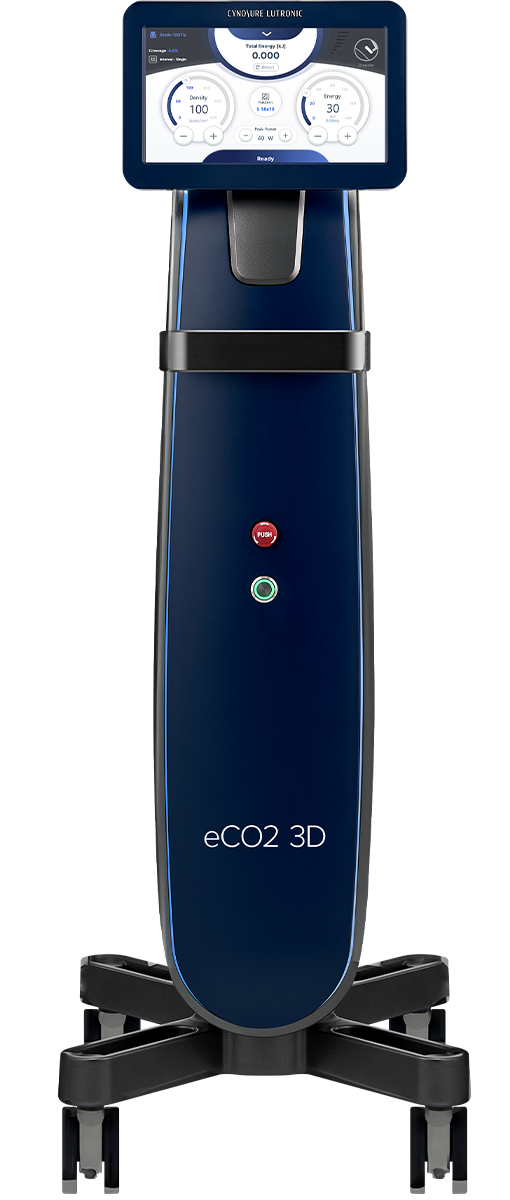
- 1Cynosure Lutronic: eCO2 3D U.S. product documentation and recovery FAQ
Device specifications, tip terminology and manufacturer recovery examples.
- 2FDA: eCO2 3D clearance K244060, July 31, 2025
Public clearance and indications; not an individualized aftercare protocol.
- 3Cynosure Lutronic: Precision Peel consumer documentation
Lighter treatment terminology and ongoing remodeling concept.
- 4Levy et al.: Expert consensus on fractional ablative CO2, 2025
Peer-reviewed consensus on expected sequelae, care and complications; not eCO2 3D-specific.
- 5Ramsdell: Fractional CO2 Laser Resurfacing Complications, 2012
Foundational review of infection, irritation, pigmentation and scarring.
- 6Memorial Sloan Kettering: fractionated CO2 skin care, updated August 26, 2025
Institutional patient education and reasons to contact a provider. Its instructions are not JOLA instructions.
- 7FDA: Public Safety Notification on Exosome Products
Regulatory caution concerning unapproved exosome products.
- 8Fractional CO2 with topical PRP: split-face comparison trial
Limited adjunct evidence; does not validate all PRP, PRF or commercial healing claims.
RECOVERY STARTS WITH THE PLAN
Discuss the recovery your life can accommodate.
Book a treatment-planning assessment to discuss resurfacing intensity, expected care and timing. The next step is a clinical decision, which may be CO2, another option or not yet.
Plan my eCO2 3D recoveryOpens JOLA’s Symplast scheduler directly. Discuss care instructions and follow-up before treatment.
FURTHER READING / LIVE JOLA RESOURCES
The eCO2 3D device guide The ULTRA laser guide XERF for structural firmness The XERF + ULTRA pairing Skin health programs How JOLA plans treatment Contact JOLA Dallas