
PHILOSOPHY / ANATOMY / JOLA DALLAS
DALLAS TX — MAR 2026
STRUCTURAL ESSAY
FACIAL STRUCTURE AND AGING
The Facial
Triangle
Understanding facial structure, proportion,
aging, and natural-looking balance.
CATEGORY
PHILOSOPHY
LOCATION
DALLAS TX
DATE
MAR 2026
READ
~11 MIN
INTRODUCTION
01
In Dallas — and across Highland Park, University Park, Preston Hollow, and the Park Cities — the most thoughtful aesthetic patients are not simply asking for a treatment. They are asking to be understood. They want a provider who can look at their face with genuine anatomical intelligence, identify what has changed and why, and offer a plan that makes sense of the whole rather than correcting one feature at a time. The facial triangle is one of the clearest frameworks for communicating that kind of understanding.
It is a conceptual model — not a rigid beauty standard, not a measurement system, not a trend. It describes the way a youthful face tends to present itself: broader and supported above, with the visual weight carried by the cheekbones, temples, and midface, tapering toward a refined lower third. When aging, volume loss, and structural descent begin to shift that balance, the face changes not because any one feature has failed, but because the system of proportional relationships that gave it harmony has been altered.
Understanding the facial triangle — and how it changes with age — is one of the reasons a full-face assessment matters more than any single treatment decision. It is also the reason that the most natural-looking aesthetic outcomes tend to emerge not from isolated interventions, but from plans that treat the face as a coherent anatomical whole.
KEY CONCEPTS
FACIAL TRIANGLE
PROPORTION
MIDFACE VOLUME
TEMPLE HOLLOWING
FACIAL BALANCING
FULL-FACE PLANNING
NATURAL OUTCOMES
RESTRAINT

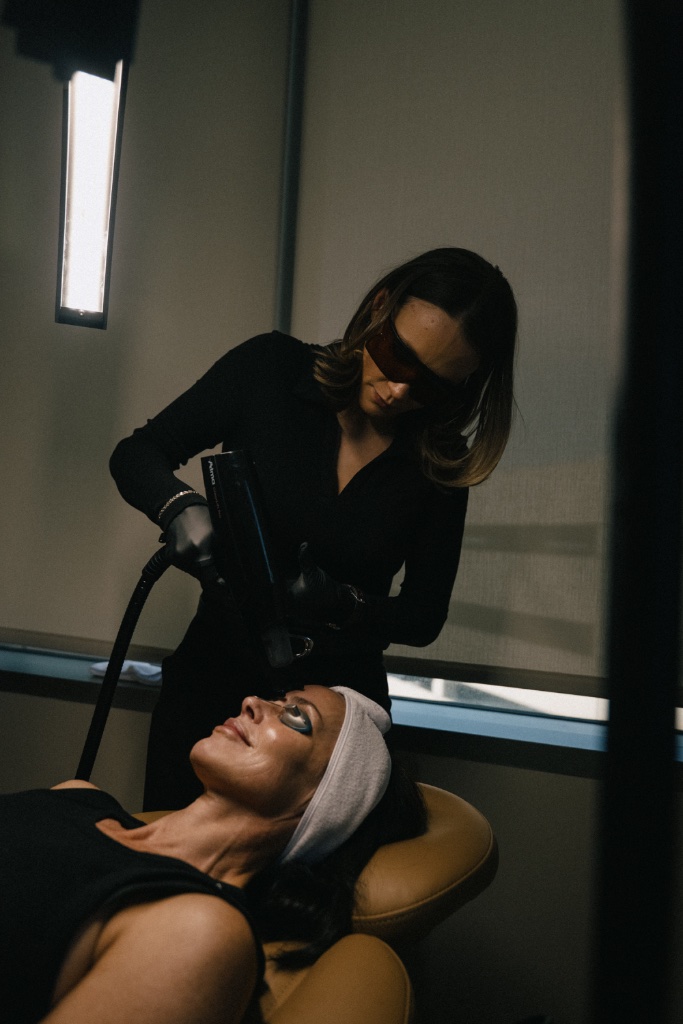
STRUCTURAL STUDY
The face as a coherent
anatomical system.
c/o JOLA DALLAS
IMG. 01 / 10
SECTION
02
What the Facial Triangle Means
The facial triangle is a way of describing the proportional geometry that gives the face its sense of lift, balance, and youth. In its classic expression, the triangle points upward — broader at the level of the cheekbones and temples, tapering down toward the chin. This geometry creates the impression of a face that is supported above its midpoint: high cheekbones, defined orbital structure, and a midface that carries the visual weight of the composition.
This is not a rigid beauty formula. The facial triangle is better understood as a conceptual lens — a way of thinking about where the face holds its support, and where aging tends to redistribute or diminish it. It is useful precisely because it invites the provider to look at the face as a whole system, rather than as a collection of individual features each demanding independent correction.
In aesthetic planning at JOLA Dallas, the facial triangle serves as a foundational reference during every full-face assessment. It does not determine a single "correct" treatment; rather, it orients the conversation around what the face actually needs structurally, in proportion, and over time.
A patient may come in focused on a specific concern — a line, a fold, a perceived heaviness — and a thorough assessment using the facial triangle as a guide will often reveal that the concern is a symptom of a broader structural shift rather than an isolated issue. Understanding this changes everything about how treatment is planned. As explored in Clinical Fluency, this kind of pattern recognition is what separates genuinely experienced aesthetic care from technically competent but narrowly focused treatment.
FIG. 01 — FACIAL TRIANGLE / YOUTHFUL PROPORTION VS AGE-RELATED SHIFT
YOUTHFUL BALANCE
Broader upper face, supported midface, refined lower third
AGE-RELATED SHIFT
Volume loss above, descent below, softened definition
CONCEPTUAL FRAMEWORK / NOT A MEASUREMENT — FOR PLANNING PURPOSES ONLY
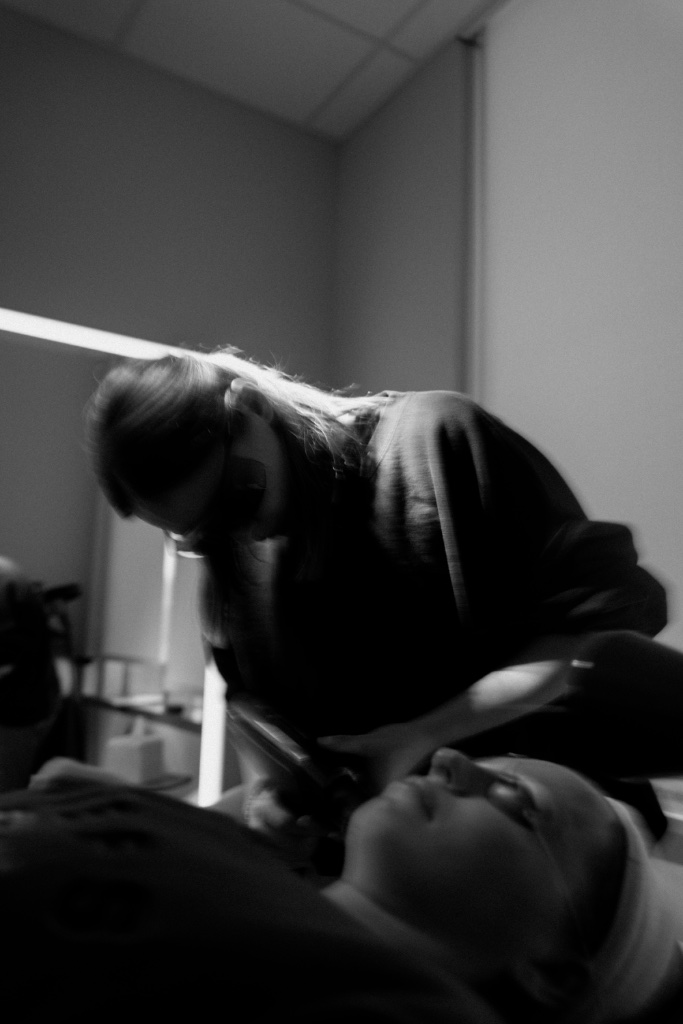
STRUCTURAL DETAIL
IMG. 02 / 10
03
How the Facial Triangle
Changes With Age
The facial triangle aging process does not happen all at once, and it does not follow a single pattern. But across most patients, a recognizable set of changes gradually alters the geometry of the face — shifting visual weight downward and softening the structural support that defined an earlier, more proportionally balanced appearance.
Midface Volume Loss
The fat compartments of the cheek and midface are among the first to show age-related change. As they thin and descend, the midpoint of the face loses the fullness and projection that defines youthful structure. Cheekbones that once appeared prominent become less defined. The transition between the lower eyelid and cheek becomes more visible.
Temple Hollowing
The temples are often overlooked in aesthetic assessment, yet they define the width of the upper facial triangle. Volume loss here narrows the apparent width of the face above the eyes, compressing the proportional balance and making the brow and orbital area appear more drawn.
Under-Eye Changes
As the midface descends and periorbital fat shifts, the under-eye area develops shadow, hollowing, or a visible transition between the eyelid and cheek. This change significantly affects the perceived freshness and rested quality of the face — often earlier than patients expect.
Lower-Face Heaviness
As volume redistributes downward and tissue descends, the lower face can appear heavier relative to the upper. Jowling, deepening nasolabial folds, and marionette lines all contribute to this shift. The base of the triangle appears to widen, inverting the youthful geometry.
Jawline Softening
The clean definition of the jawline is affected by both tissue descent and changes in bone remodeling over time. What was once a crisp transition between face and neck becomes less defined — contributing to a profile that reads as softer and heavier rather than structured and refined.
Skin Quality and Collagen
Collagen production declines measurably from the mid-twenties. The skin's capacity to hold structure, reflect light evenly, and maintain firmness diminishes. This is the surface expression of the same process that shifts the facial triangle — and it requires its own category of support alongside structural intervention.
FIG. 02 — AGE-RELATED FACIAL CHANGES / RELATIVE PREVALENCE
CONCEPTUAL ILLUSTRATION — NOT CLINICAL DATA
Temple Hollowing
MID 30s
Midface Volume Loss
MID 30s
Under-Eye Change
LATE 20s
Jawline Softening
EARLY 40s
Skin Laxity
MID 40s
Collagen Decline
MID 20s
LOW ←→ HIGH RELATIVE PREVALENCE
APPROXIMATE ONSET AGE
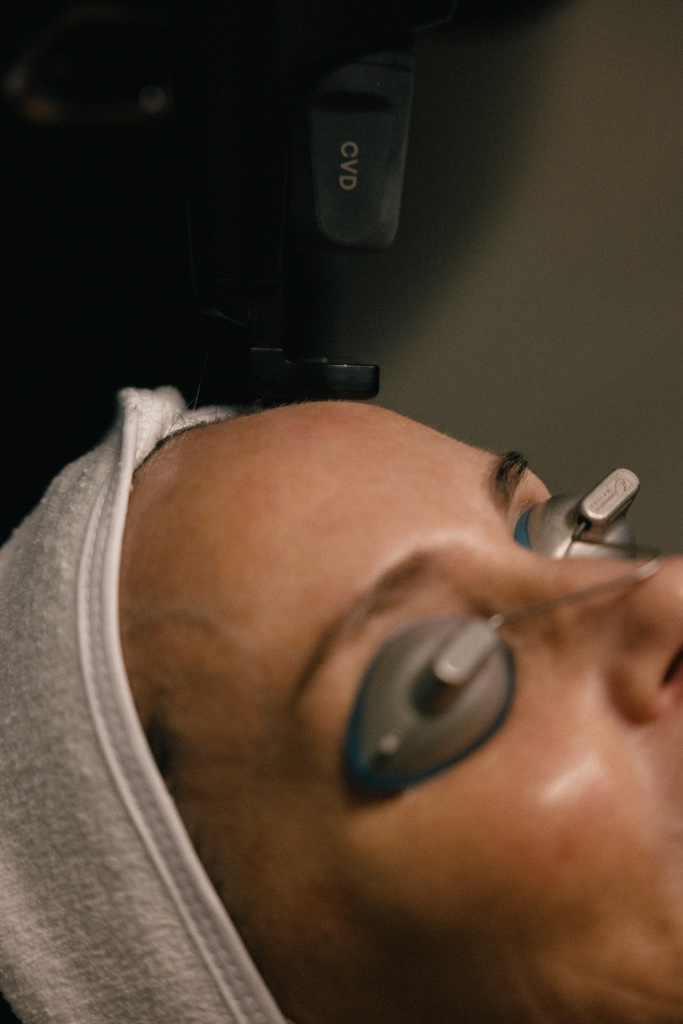
FULL-FACE ASSESSMENT
"No treatment begins without understanding the whole."
JOLA DALLAS
IMG. 03 / 10
SECTION
04
Why the Facial Triangle Matters
in Aesthetic Planning
Full-Face Assessment Over Single-Area Treatment
The most common limitation in aesthetic planning is treating the face one concern at a time — addressing a line here, adding volume there — without stepping back to understand how each intervention affects the overall picture. The facial triangle framework makes this kind of isolated treatment visibly problematic. If the lower face appears heavy because of midface descent, treating the fold at the nasolabial area without restoring midface support addresses a symptom while leaving the cause untouched. The result will be visible but incomplete.
A full-face assessment dallas approach begins with the question: what does this face actually need? It considers the facial triangle — where structural support is present, where it has been lost, and what the appropriate sequence of intervention looks like given this patient's anatomy, age, and goals. This is the foundation of every treatment plan at JOLA. As discussed in The Art of Restraint, natural-looking results emerge from this kind of anatomically grounded planning.
Volume, Structure, and Support
The facial triangle is supported by three interacting layers: the bony skeleton, which provides the scaffolding; the soft tissue compartments, which provide volume and fullness; and the skin, which provides the surface quality that makes structure readable. Aging affects all three — and treating only one while ignoring the others tends to produce results that look partial or disproportionate.
Understanding the relationship between these layers is what allows a clinically fluent provider to prioritize intelligently. Sometimes midface volume is the primary driver of change, and restoring it produces the most meaningful visible improvement. In other patients, temple hollowing or under-eye shadow is the primary concern, and addressing those areas has a disproportionate positive impact on the overall perception of the face. The map is always individual. The framework of the facial triangle is what allows the provider to read it.
Facial Balance vs. Trend-Driven Correction
Trend-driven aesthetic correction moves from feature to feature according to what is currently fashionable — fuller lips one season, higher cheekbones the next, a more defined jawline after that. The problem with this approach is that trends are not individualized. What produces harmony on one face may produce imbalance on another. Facial harmony dallas — as JOLA understands it — is not about approximating a current ideal. It is about restoring or refining the proportional relationships that are right for this face, at this stage, given this patient's anatomy. The facial triangle is a tool that keeps that conversation grounded in individual structure rather than collective trend.
Why Natural-Looking Results Depend on Proportion
Natural-looking aesthetics dallas is not simply a matter of using less product. It is a matter of maintaining proportion. An intervention that adds volume in the wrong location, in an amount that disrupts the facial triangle's balance, will look artificial regardless of how precisely it was executed. Conversely, a carefully placed treatment that restores a lost proportional relationship — supporting the midface, softening a shadow, refining a contour — will read as natural precisely because it works with the face's inherent structure rather than against it. Proportion, not quantity, determines the quality of the outcome.
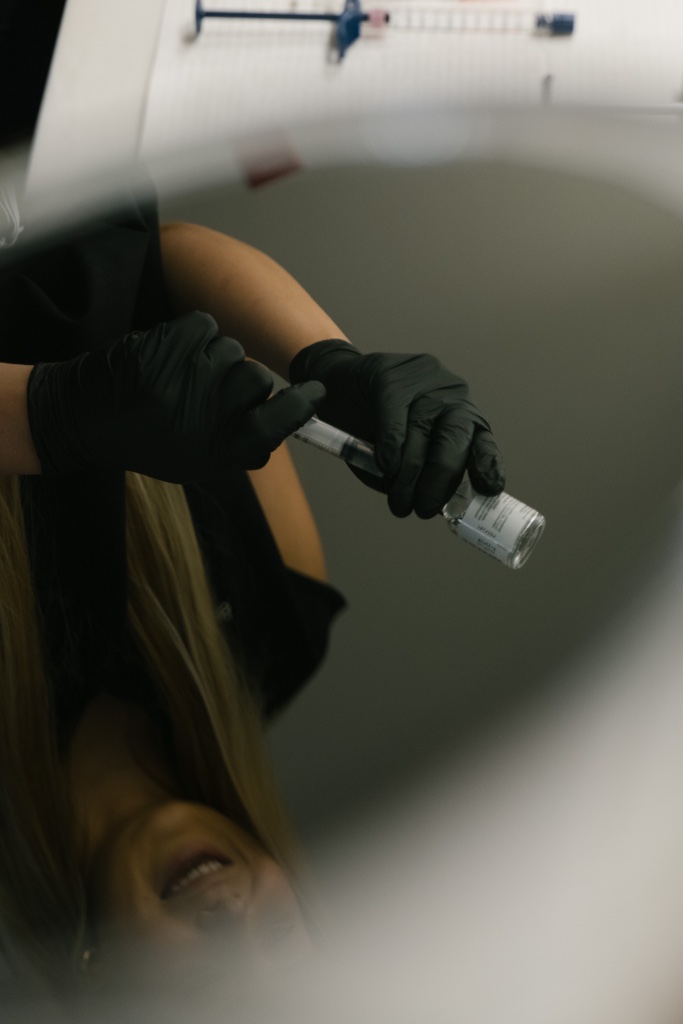
CLINICAL PRECISION
Every placement is a proportional decision.
IMG. 04 / 10
SECTION
05
What Treatments May Support
the Facial Triangle
No single treatment addresses the facial triangle comprehensively. The appropriate plan depends entirely on individual anatomy, the specific pattern of age-related change, and the patient's goals and timeline. The following are the primary treatment categories used at JOLA to support facial structure, proportion, and skin quality — and how each contributes to the overall picture.
Facial Balancing
The most direct expression of facial triangle planning. Facial balancing considers how each area of the face — cheeks, temples, under-eyes, lips, chin, jawline — relates to the whole, and builds a treatment sequence that improves proportional harmony rather than addressing features in isolation.
LEARN MORE →Dermal Fillers
Volume replacement in the midface, cheekbones, temples, and under-eye area can meaningfully restore the upper portion of the facial triangle. The key is placement guided by anatomical understanding — not simply adding volume, but adding it where it supports the proportional system the face needs.
INJECTABLES →Sculptra and Biostimulatory Treatments
Unlike traditional fillers, biostimulatory treatments work by stimulating the body's own collagen and elastin production. The results develop gradually over weeks to months and tend to produce a more foundational, diffuse kind of support — less about replacing discrete volume and more about restoring the tissue quality that underlies facial structure.
EXPLORE →Under-Eye Treatments
The under-eye area is one of the most impactful zones in the facial triangle. Shadow and hollowing here create a persistent impression of fatigue and age that other treatments cannot fully compensate for. Targeted under-eye treatment — whether through volume support, skin quality improvement, or combined approaches — has outsized effects on the overall perception of the face.
EXPLORE →Skin Tightening and Collagen Support
Laser and energy-based treatments support the facial triangle by improving skin firmness and reducing the laxity that accelerates the appearance of structural descent. These treatments work best when integrated into a broader plan — they are not a substitute for volume or structural support, but they meaningfully extend and enhance the results of other interventions.
LASER TREATMENTS →Skin Quality Treatments
The quality of the skin surface affects how structure reads. Dull, textured, or dehydrated skin flattens the perception of cheekbones and definition. Medical-grade facials, HydraFacial, pigment correction, and regenerative treatments all contribute to a surface that reflects light well, appears fresh, and makes structural improvements more visible and enduring.
SKIN & FACIALS →FIG. 03 — TREATMENT MAPPING / STRUCTURAL SUPPORT CATEGORIES
INDIVIDUAL PLANS ARE ANATOMY-BASED AND VARY BY PATIENT
TREATMENT CATEGORY
PRIMARY FUNCTION
STRUCTURAL ROLE
FACIAL BALANCING
Full-face proportion, harmony, and structure
High
DERMAL FILLERS
Volume restoration — midface, temples, under-eye
High
SCULPTRA / BIOSTIMULATORY
Collagen induction, foundational lift over time
High
UNDER-EYE TREATMENTS
Tear trough, orbital support, fatigue correction
Med
SKIN TIGHTENING
Laser and device-based tissue contraction
Med
SKIN QUALITY
Surface, light reflection, texture, firmness
Support
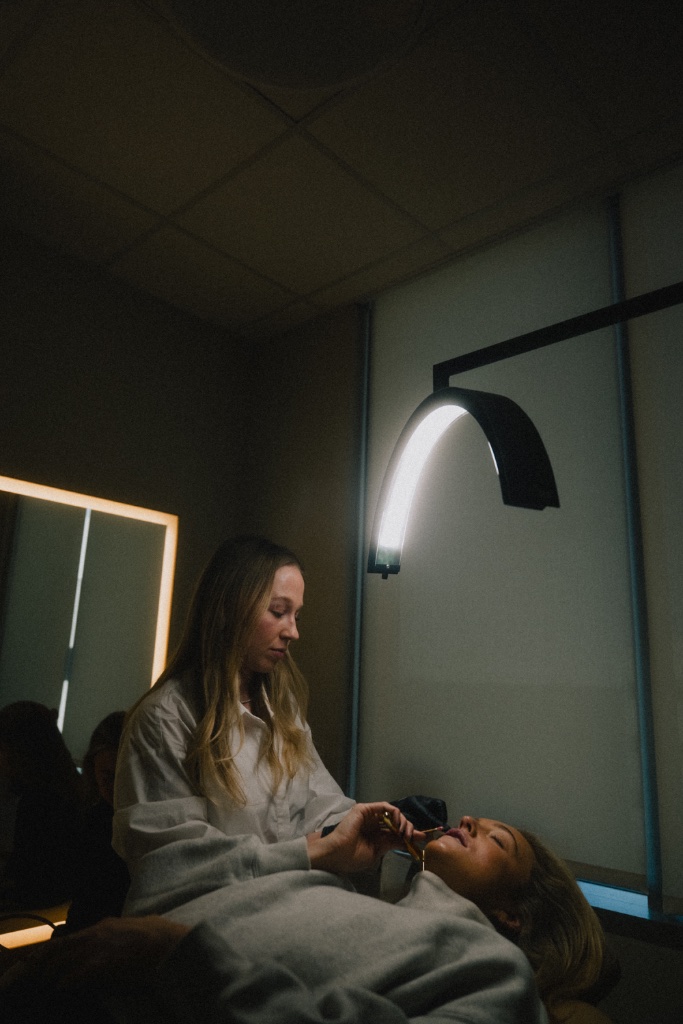
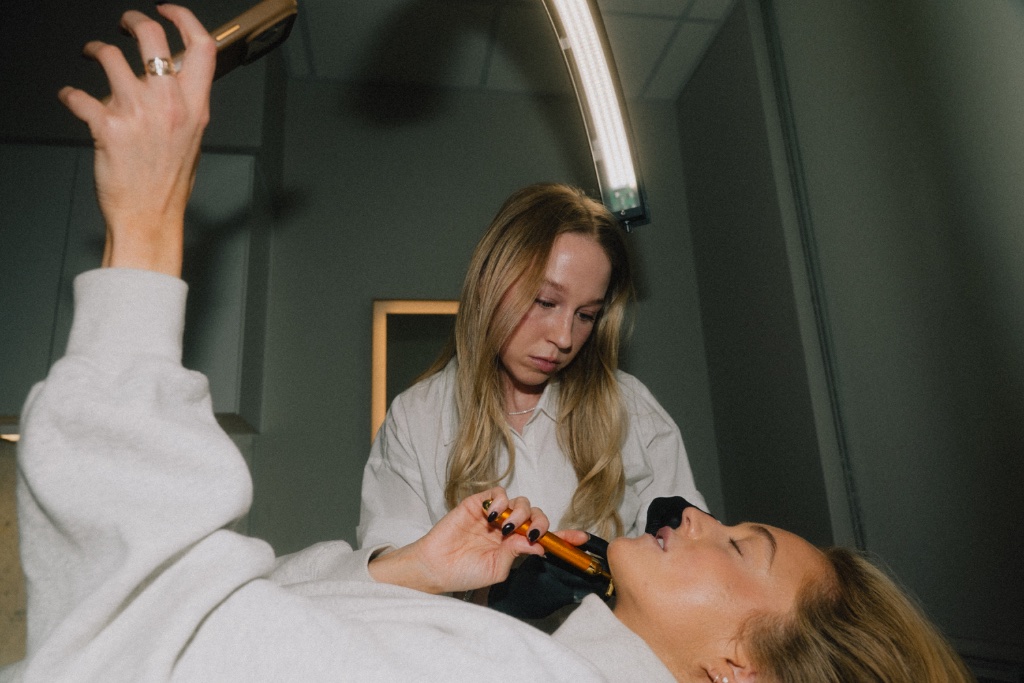
JOLA DALLAS / TREATMENT ENVIRONMENT / HIGHLAND PARK
IMG. 05 / 10
06
The Facial Triangle
and Facial Balancing
Facial balancing dallas is the clinical expression of facial triangle thinking. It begins with a whole-face assessment — not a checklist of features, but a genuine reading of how the face is proportioned, where it is structurally supported, and where age-related or anatomical change has disrupted its inherent harmony. The goal is not to impose a new structure, but to identify and restore the proportional relationships that allow the face to look like an improved, more rested, and more defined version of itself.
This is why facial balancing sometimes involves treating areas the patient did not come in focused on. A patient concerned about nasolabial folds may have a plan that begins with midface volume restoration. A patient focused on lip definition may benefit first from chin or jawline refinement that changes the proportional context in which the lips exist. Treating one feature in isolation, without understanding how it relates to the facial triangle, can make the result look arbitrary — or even disruptive — rather than harmonious.
"Restraint is not under-treatment. It is precisely calibrated intervention guided by a clear understanding of proportion — and knowing when the face is better served by less than by more."

LOWER FACE

UNDER-EYE DETAIL
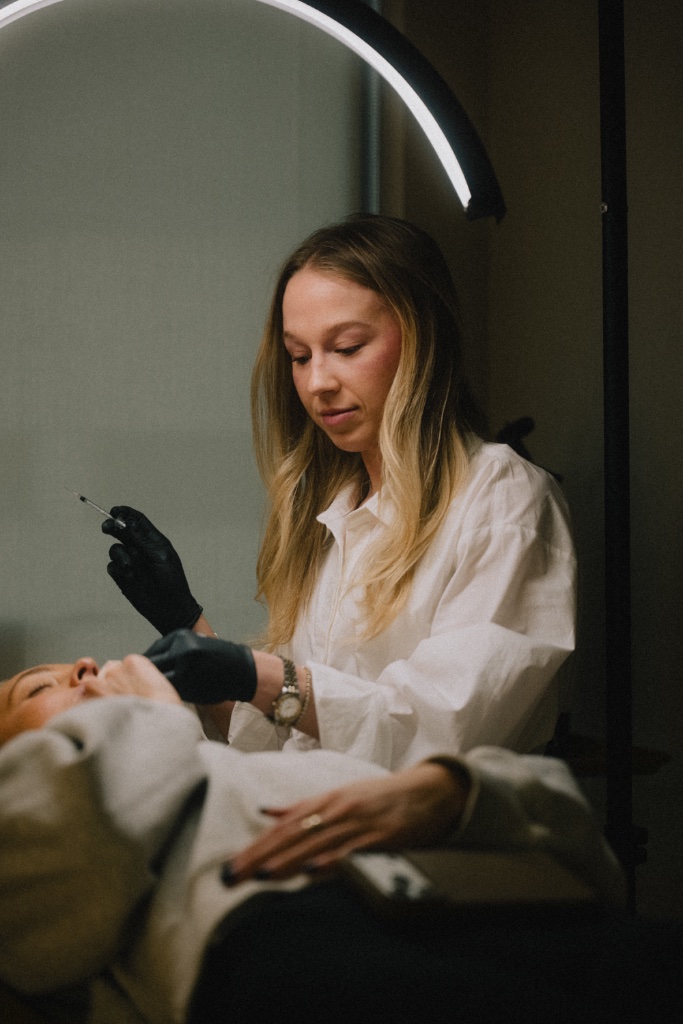
INTERIOR STUDY
SECTION
07
Why Skin Quality
Still Matters
The facial triangle is not only about volume. It is about the total impression the face makes — and skin quality is a substantial part of that impression. A face with well-restored structural volume but dull, uneven, or lax skin will not produce the same result as one where both the structure and the surface are working together. Skin is the medium through which all structural interventions are perceived. Its quality determines how light falls across the face, how definition reads, and how fresh or fatigued the overall presentation appears.
This is what makes skin care treatments — including HydraFacial, medical-grade facials, pigment correction, and regenerative care — integral components of a comprehensive facial triangle support plan, not optional additions. Skin as infrastructure: this perspective positions skin health not as a cosmetic supplement to structural treatment, but as a foundational layer that determines how well everything else performs.
RELATED READING
FIG. 04 — STRUCTURAL FRAMEWORK / THE FOUR PILLARS OF FACIAL PLANNING
01
STRUCTURE
Bone, fat compartments, and ligamentous support — the scaffolding of facial form.
02
VOLUME
Soft tissue distribution, fullness in key anatomical zones, and projection.
03
SKIN
Surface quality, firmness, texture, and the capacity to reflect light evenly.
04
SUPPORT
Regenerative care, collagen induction, and long-term maintenance of the above.
JOLA DALLAS / FACIAL STRUCTURE STUDY
Proportion before correction.
IMG. 08 / 10
SECTION
08
The Facial Triangle in Dallas
Across Dallas and the surrounding communities — Highland Park, University Park, Preston Hollow, and the Park Cities — the conversation around aesthetic treatment has matured. The patients who seek care at JOLA Dallas are not simply looking for a treatment. They are looking for a result that looks like them — rested, refined, proportionally sound — not a result that looks like a treatment. This shift in expectation is precisely why the facial triangle framework resonates so strongly in this context.
The luxury med spa dallas environment that JOLA represents is defined not by the volume of services offered or the brand recognition of the products used, but by the quality of the judgment behind every plan. The facial triangle is the architecture of that judgment — a conceptual scaffold that keeps every decision rooted in proportion, anatomy, and the long-term interest of the patient. It is the reason that restraint, in the JOLA philosophy, is not a limitation. It is the highest expression of clinical intelligence.
Related Treatments and Pathways
01
Facial Balancing
Full-face injectable strategy guided by proportion, harmony, and the facial triangle framework.
EXPLORE →
02
Injectables
Botox, Dysport, dermal fillers — planned with anatomy-first, full-face perspective.
EXPLORE →
03
Under-Eye Treatments
Tear trough and orbital support for one of the most impactful zones in the facial triangle.
EXPLORE →
04
Sculptra / Biostimulatory
Foundational collagen support for gradual, diffuse structural improvement over time.
EXPLORE →
05
Skin Rejuvenation
Surface quality, light reflection, and texture — the skin infrastructure beneath the structure.
EXPLORE →
06
Skin Tightening
Laser and energy-based treatments supporting skin firmness and structural longevity.
EXPLORE →
07
Regenerative & Advanced
PRF, biostimulators, and collagen induction for long-term tissue quality and support.
EXPLORE →
08
Full-Face Assessment
Every JOLA journey begins with a comprehensive assessment grounded in individual anatomy.
EXPLORE →
IMG. 09 / 10
Q&A
05 QUESTIONS
Frequently Asked Questions
JOLA
Facial structure planning in Dallas, guided by proportion and restraint.
Every new patient appointment at JOLA includes a comprehensive full-face assessment — a genuine, unhurried conversation about what your anatomy actually needs, built around the facial triangle framework and your individual goals.
ADDRESS
9201 N Central Expy Dallas TX 75225
TELEPHONE
214.515.0002
info@joladallas.com
ARTICLE
THE FACIAL TRIANGLE JOLA DALLAS / SS 2026
JOLA DALLAS ™ 2026