

THE JOLA XERF GUIDE
SKIN TONE. SUMMER. RADIOFREQUENCY.
Can You Get XERF
in Summer?
What different skin tones should know about RF skin tightening — and why XERF is a different conversation from laser.
JOLA DALLAS / AUGUST 2026
ENERGY EDITORIAL
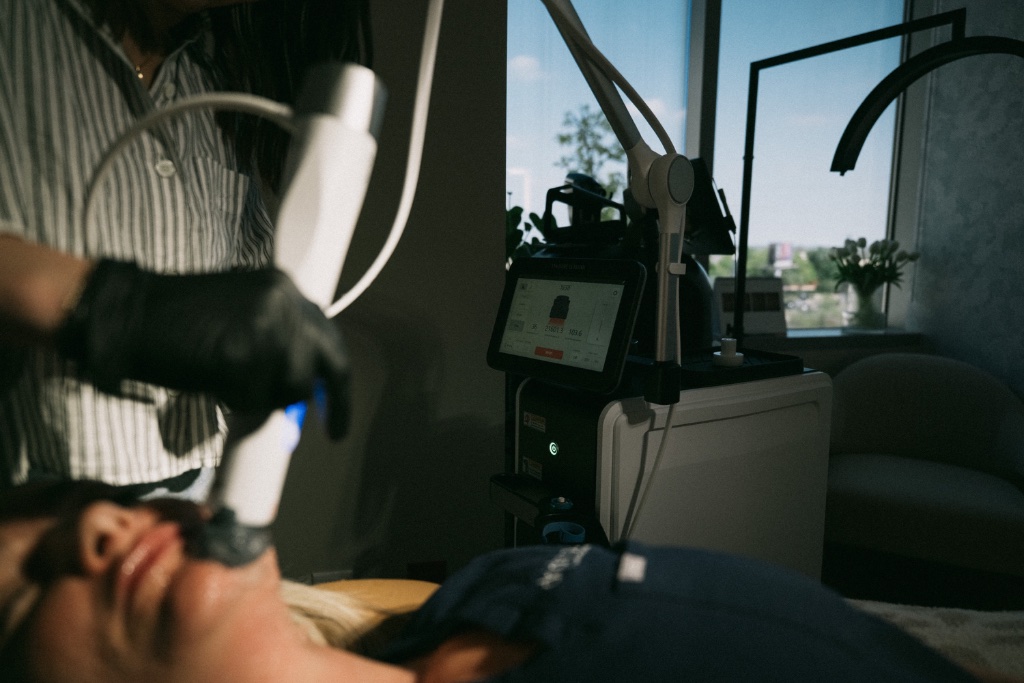
Can you get XERF in the summer, and can it be used across different skin tones? Yes — with the important qualification that XERF is a radiofrequency technology rather than a laser. Cynosure Lutronic, the manufacturer, received U.S. FDA clearance for XERF in August 2025 and describes the system as fully customizable to adapt to each patient's unique skin profile. Because radiofrequency does not rely on a laser wavelength targeting melanin in the same way many light- and laser-based procedures do, the seasonal and skin-tone considerations for XERF differ from those of pigment-targeting treatments.
That does not mean every patient can automatically be treated regardless of skin condition, recent sun exposure, medical history, or treatment goals. Provider assessment remains necessary. And XERF should not be confused with pigment treatment — its primary treatment conversation is structural skin tightening and collagen support, not the correction of brown spots or melasma. For patients in Dallas, Highland Park, University Park, and the Park Cities researching summer skin tightening, this distinction — between energy categories, and between tightening and pigment — is where an honest conversation begins.
JOLA DALLAS / XERF / RADIOFREQUENCY / NOT A LASER
Can You Get XERF in Summer?
DIRECT ANSWER
XERF belongs to the radiofrequency category rather than the laser category. Because RF and light-based technologies interact with tissue differently, the seasonal and skin-tone considerations may also differ. For many patients in Dallas, this is relevant during summer months when sun exposure is higher and certain light-based resurfacing or pigment procedures may require additional planning.
However, summer does not eliminate the need for proper assessment, sun protection, evaluation of current skin condition, treatment-history review, appropriate timing, and individualized provider guidance. "Year-round" should never mean "without clinical judgment."
The question of whether you can get XERF in summer is reasonable, and the honest answer is that season is one factor — not the deciding one. What matters more is your skin's current condition, your sun-exposure history, your treatment goals, and whether RF tightening is the right match for the concern you actually have. Understanding what XERF is comes before deciding when to schedule it.
XERF ≠ LASER
LASER
Uses specific wavelengths of coherent light to deliver energy. Different lasers target different chromophores — water, melanin, hemoglobin — depending on the wavelength selected. The interaction between light and pigment is central to how many laser treatments work.
RADIOFREQUENCY
Uses electromagnetic energy to generate controlled heating in tissue. RF does not depend on a specific wavelength targeting a chromophore — it produces a thermal tissue response that stimulates collagen remodeling in the treated layers.
These energy categories should not be used interchangeably in patient education. Calling every energy-based device a "laser" obscures the most important fact about XERF: it operates through a different physical mechanism, which creates a different treatment conversation — especially when skin tone, melanin, and summer sun enter the picture.
This is also why XERF, despite being discussed alongside other laser and energy-based treatments in Dallas, belongs to a distinct category. The treatment goal — structural skin tightening — may be similar to other devices, but the mechanism and the planning considerations are not identical.
NOT SURE WHICH ENERGY CATEGORY FITS YOUR SKIN?
EXPLORE TREATMENT PLANNINGA Taxonomy of Aesthetic Energy
Aesthetic treatments that deliver energy to skin are not all the same. They use different physical mechanisms, target different tissue structures, and carry different planning considerations. Understanding this taxonomy is the foundation for making an informed decision about any tightening, resurfacing, or pigment treatment.
AESTHETIC ENERGY
Specific wavelengths of coherent light
Resurfacing, vascular, pigment, hair-reduction lasers
Broad-spectrum light filtered to target structures
Broadband light for pigment, vascular
Electromagnetic energy generating controlled tissue heating
XERF (monopolar, multifrequency RF)
Insulated needles delivering RF energy at controlled depths
Morpheus8 and related platforms
Sound-wave energy targeting deeper tissue layers
Sofwave, Ultherapy
SIMILAR AESTHETIC GOALS DO NOT MEAN IDENTICAL TECHNOLOGIES
XERF sits within the radiofrequency branch — a needle-free, monopolar, multifrequency RF system. RF microneedling is a separate category that also uses radiofrequency but delivers it through needles at controlled depths. Ultrasound platforms like Sofwave and Ultherapy use sound-wave energy. Each of these may appear in a search for non-surgical skin tightening, but they are not interchangeable.
Why Melanin Matters in Some Energy Treatments
Melanin is the pigment that gives skin its color, and it absorbs certain wavelengths of light. This absorption can be clinically useful — it is the mechanism behind laser hair reduction and many pigment-correction treatments, where the goal is to deliver energy selectively to pigmented structures. But it also means that skin tone and recent tanning can be important parts of treatment planning for some light-based technologies.
This does not mean darker skin cannot receive laser treatment. Different wavelengths, devices, indications, skin types, and protocols have different considerations. Some lasers are specifically designed with deeper skin tones in mind; others require more caution or are less appropriate. The blanket statement "lasers are unsafe for dark skin" is inaccurate and reductive. The accurate statement is that light-based technologies interact with melanin, and that interaction must be part of treatment planning.
Radiofrequency operates through a different mechanism. This is not a claim that RF is universally safer — it is an observation that the pigment-absorption dynamic central to many laser treatments is not the primary mechanism of RF energy delivery. That distinction matters when patients ask whether they can get XERF in summer or whether XERF is appropriate for their skin tone.
Radiofrequency Is Not Targeting Melanin the Same Way a Pigment Laser Does
Radiofrequency delivers electromagnetic energy that generates controlled heating in tissue layers beneath the skin's surface. This heating stimulates a collagen-remodeling response — the gradual tightening and structural support that defines the XERF treatment conversation. Because RF does not depend on melanin absorption the way pigment-targeting lasers do, it can enter treatment conversations across a broad range of skin tones.
Different energy does not mean no risk. It means a different risk and treatment profile.
RF still produces biological tissue effects. It still generates heat. It still requires attention to skin condition, treatment area, energy settings, and patient history. The fact that RF does not target melanin does not mean treatment selection and delivery can proceed without professional judgment. It means the judgment considers a different set of variables than it would for a pigment laser.
This is why can you get XERF in summer is a more nuanced question than it first appears. The RF mechanism is relevant — but so is your skin's current state, your goals, and your provider's assessment of both.
Can XERF Be Used on Deeper Skin Tones?
Cynosure Lutronic describes XERF as fully customizable to adapt to each patient's unique skin profile, and the multifrequency monopolar RF mechanism does not rely on melanin targeting. This is one reason XERF enters the tightening conversation for patients with deeper skin tones — patients who may have been told that certain light-based treatments require additional consideration, or who have been uncertain whether a "skin tightening laser" is appropriate for them.
However, "skin type" is not the same thing as ethnicity, and broad skin-type suitability does not eliminate the need for individualized assessment. At JOLA, XERF evaluation considers individual skin characteristics, current skin condition, treatment area, pigmentation history, prior procedures, relevant medical history, and treatment goals — together, not in isolation.
We do not assign a Fitzpatrick number and proceed from there. We assess the skin in front of us. The manufacturer's customizable design is the starting point for a conversation, not a substitute for it. For patients researching skin tightening for darker skin in Dallas, the right question is not whether XERF is "allowed" for your complexion — it is whether your skin, your concern, and your goals make XERF the right match.
Treat the skin in front of you —
not the category on a form.
Aesthetic medicine should not assume that ethnicity equals skin type, or that skin tone predicts an identical treatment response. Patients within the same ethnic group may have different pigmentation, sensitivity, tanning tendency, skin conditions, scar histories, and treatment histories. Reducing a patient to a demographic label obscures the individual factors that actually determine treatment planning.
This is not a deflection of the skin-tone question — it is the most accurate way to answer it. When patients ask whether Black, Asian, or Latino patients can get XERF, the honest response is that candidacy is not determined by ethnic category. It is determined by the individual's skin characteristics, pigmentation history, current condition, and goals. XERF for all skin tones means the device can enter the conversation broadly — not that every individual within any group is automatically a candidate.
What About Fitzpatrick Skin Types?
The Fitzpatrick scale is a classification system clinicians sometimes use to describe how skin tends to respond to UV light — ranging from skin that always burns and never tans to skin that rarely or never burns. It was developed as one piece of information among many, and it can be useful as a starting reference during assessment.
But Fitzpatrick classification is not a complete measure of ethnicity, risk, skin biology, or treatment candidacy. Two patients with the same Fitzpatrick number may have different pigment histories, different sensitivities, and different responses to the same treatment. And the scale does not capture skin condition, recent sun exposure, treatment history, or active skin concerns — all of which matter more than a single number.
At JOLA, Fitzpatrick classification may be noted during assessment, but it never operates as the sole determinant of whether XERF or any other treatment is appropriate. We do not assign ethnicities to Fitzpatrick types, and we do not reduce treatment planning to a scale. The scale is a reference point — the patient is the plan.
Can You Get XERF With a Tan?
This is one of the most common questions patients ask when researching XERF summer treatment, and it deserves a careful answer rather than a simple yes or no. Recent sun exposure and tanning should always be disclosed before any aesthetic procedure — even when the treatment does not rely on pigment targeting. Current skin condition matters: sunburned, inflamed, or recently heavily exposed skin is in a different state than skin that has been consistently protected, and that state influences how any energy-based treatment is delivered.
Because XERF is RF rather than a pigment-targeting laser, the melanin-specific considerations that apply to some light-based treatments differ. But "differs" is not the same as "irrelevant." If you have had significant recent sun exposure, discuss it during consultation rather than assuming it has no bearing on your treatment. JOLA assesses each patient individually — we do not apply a blanket waiting interval, and we do not dismiss sun exposure as immaterial. The right guidance comes from assessing your actual skin, not from a general rule.
What About Self-Tanner?
Self-tanner changes the surface coloration of skin cosmetically, but it does not alter underlying melanin biology in the way a UV-induced tan does. The pigment in self-tanner sits on the skin's surface rather than being produced by melanocytes within the skin. This is an important distinction when discussing pigment-targeting treatments.
However, pre-treatment skin preparation requirements may vary. Surface products can affect skin condition, and some clinics prefer skin to be in a specific state before energy-based treatment. If you use self-tanner, mention it during consultation so your provider can give accurate guidance for your situation — do not assume removal is unnecessary simply because XERF is not a pigment-targeting treatment.
Why Summer Changes Aesthetic Planning
Summer in Dallas is not just a season — it is a shift in lifestyle. The strong seasonal sun, outdoor social culture, travel schedules, and changes in skincare routines all influence how aesthetic treatment is planned. None of this means treatment must stop. It means the conversation about which treatment, when, and how should account for the season.
01
SUN
UV exposure increases across Dallas, Highland Park, and the Park Cities during summer months, influencing treatment timing and aftercare for many energy-based procedures.
02
TRAVEL
Summer schedules often include trips, which may affect treatment planning, recovery windows, and sun-protection consistency.
03
OUTDOOR EVENTS
Pools, patios, and outdoor gatherings increase incidental sun exposure — a relevant factor in any aesthetic treatment conversation.
04
SKINCARE ROUTINES
Heat, sweating, and sunscreen reapplication may shift how patients layer active ingredients and maintain skin-barrier health.
For patients across Preston Hollow, University Park, and Highland Park, summer skin tightening in Dallas is a legitimate conversation — but it is one that benefits from understanding which treatment categories are season-flexible and which require more careful timing. RF treatments like XERF may appeal to patients seeking a non-pigment-targeting option, but the decision is never season alone.
It may be appealing to patients looking for a treatment category that differs from certain light-based resurfacing or pigment procedures that require stricter sun avoidance. Because XERF is RF and does not target melanin, the seasonal pigment considerations that shape planning for some laser treatments are different here. This is part of why patients ask whether they can get XERF in summer — and why the answer is more nuanced than a flat no.
But reducing candidacy to season alone misses the point. The right question is not "Is XERF a summer treatment?" It is: "Does XERF match my concern and my current skin condition?" If the answer is yes, season becomes a planning factor rather than a barrier. If the answer is no — because your concern is pigment, texture, or volume rather than firmness — then no season makes XERF the right choice. Whether XERF is worth it depends on the concern, not the calendar.
Can You Get XERF Before a Beach Vacation?
Event and travel timing should consider several factors: treatment response, expected visible effects, skin protection, travel logistics, heat exposure, and provider guidance. XERF results develop gradually — the collagen-remodeling process unfolds over weeks to months rather than producing an immediate transformation. This means scheduling XERF immediately before a vacation will not deliver the full result in time, and planning should account for that timeline.
We do not invent exact travel restrictions. The right approach is to discuss your travel schedule during consultation so your provider can advise on timing, sun protection, and what to realistically expect. For a broader discussion of event-based treatment sequencing, see XERF before a wedding or event.
What About Sun After XERF?
Photoprotection is fundamental to long-term skin health regardless of whether a treatment targets pigment. Even though XERF is an RF treatment rather than a pigment procedure, sun protection supports recovery, collagen remodeling, and overall skin quality. UV exposure degrades collagen and contributes to the same structural changes that tightening treatments are designed to address — so neglecting sun protection after XERF works against the treatment's purpose.
Follow your provider's specific aftercare instructions rather than assuming sun exposure is irrelevant after treatment. General evidence-based guidance — daily broad-spectrum sunscreen, sun-protective behavior, and consistent photoprotection — applies to all patients, in all seasons, regardless of skin tone or treatment category.
Does XERF Cause Hyperpigmentation?
No aesthetic treatment can be honestly described as carrying zero pigment risk for every patient. Any discussion of pigment changes should distinguish treatment category, current evidence, individual skin response, patient history, skin condition, and protocol. Because XERF is RF rather than a pigment-targeting light technology, the pigment-specific risk profile differs from that of melanin-absorbing lasers — but "differs" is not the same as "none."
We do not extrapolate statistics from unrelated RF or laser platforms. If you have specific concerns about pigment changes, discuss them during consultation using accurate XERF-specific information. Your provider can speak to the current evidence and to how your individual skin characteristics, pigment history, and treatment plan relate to that evidence.
What If You Have a History of PIH?
Post-inflammatory hyperpigmentation (PIH) is a pigment response that can occur after skin inflammation or injury. It is more common in patients with deeper skin tones, though it can affect patients across the skin-tone spectrum. A personal history of PIH is relevant information that should be disclosed during consultation.
A history of PIH may influence device selection, timing, treatment planning, and aftercare — but it does not automatically make XERF inappropriate. Because RF does not target melanin, the mechanism through which pigment-targeting lasers can sometimes trigger PIH differs. However, any energy delivered to skin can produce inflammation, and inflammation can influence pigment response in susceptible individuals. This is exactly the kind of nuance that requires individualized assessment rather than an online diagnosis.
If you have experienced PIH after previous treatments, mention it. Your provider will consider it alongside your skin condition, goals, and the specific characteristics of the proposed treatment — and will plan accordingly.
What About Melasma?
XERF should not be represented as a primary melasma treatment unless current evidence and regulatory indication support such a claim. Melasma is a complex pigmentation condition that requires a pigment-focused assessment and plan — not a tightening treatment. This distinction matters because patients sometimes conflate the two categories, assuming that a skin treatment that improves firmness will also address pigmentation.
One face can have two different problems. One device does not have to solve both.
A patient may have both skin laxity and melasma as separate concerns requiring different treatment strategies. XERF addresses structural tightening; melasma requires assessment through pigment correction and a pigment-specific plan. This is not a limitation of XERF — it is a recognition that different concerns require different treatment categories, and that a comprehensive aesthetic plan may involve more than one approach.
For patients with melasma who are also interested in tightening, the conversation is about sequencing and combination planning — not about expecting one treatment to address both.
Does XERF Treat Brown Spots?
No. XERF is not a pigment-removal technology. Do not position it as a treatment for sunspots, age spots, or brown-spot correction. Patients seeking pigment correction should receive a pigment-specific assessment, which may involve laser or light-based treatment categories designed to target melanin — the very mechanism that XERF, as an RF device, does not use.
This is one of the clearest distinctions in the XERF conversation: tightening and pigment correction are different goals served by different technologies. If your primary concern is brown spots or sun damage, explore pigment correction or laser treatments rather than RF tightening.
XERF vs Laser for Darker Skin
"Laser" is too broad a category for a blanket comparison. Different lasers use different wavelengths, address different indications, and carry different skin-tone considerations. An erbium resurfacing laser, a pigment-targeting Q-switched laser, a vascular laser, and a hair-reduction laser are all "lasers" — but they interact with skin in fundamentally different ways and have different suitability profiles across skin tones.
XERF belongs to radiofrequency and addresses a different primary treatment goal — structural tightening — than pigment, vascular, or resurfacing lasers. Therefore, the question should not be "which is safer?" It should be "what am I trying to treat?" The concern determines the category; the category determines the device; the assessment determines the plan. See XERF vs other skin tightening treatments for a detailed comparison.
XERF vs RF Microneedling for Different Skin Tones
Both involve radiofrequency, but they deliver it differently. XERF is a needle-free monopolar RF treatment that delivers energy through the skin's surface into deeper tissue layers. RF microneedling — such as Morpheus8 and related platforms — uses insulated needles to deliver RF energy at controlled depths within the skin itself. Treatment goals, delivery mechanisms, and recovery considerations differ between the two.
They are not interchangeable. A patient whose primary concern is deeper structural tightening may be better suited to XERF; a patient whose concern involves texture, acne scarring, or more superficial skin remodeling may be better suited to RF microneedling. For some patients, both may have a role in a staged plan. The comparison is explored in detail in XERF vs Morpheus8.
XERF vs Sofwave / Ultherapy
These technologies may appear in searches for non-surgical tightening across skin tones, and they share the broad goal of structural skin support. But they use ultrasound rather than radiofrequency. Ultrasound delivers sound-wave energy to target deeper tissue layers, while RF delivers electromagnetic energy that generates controlled tissue heating. The mechanisms, delivery characteristics, and treatment profiles differ.
Because neither ultrasound nor RF relies on melanin targeting, both can enter the tightening conversation across a range of skin tones — but that does not make them equivalent. For the full comparison, see XERF vs Thermage, Sofwave & Ultherapy.
What About Thermage?
XERF and Thermage both belong broadly to the RF tightening conversation, but they are different platforms with different delivery systems, frequency configurations, and treatment protocols. XERF is the world's first multifrequency monopolar RF system, combining 6.78 MHz and 2 MHz; Thermage uses a different monopolar RF approach.
Skin-tone suitability should be discussed using accurate device-specific information rather than broad claims. We do not rank safety between platforms — the right comparison depends on the concern, the device characteristics, and the individual assessment. For the detailed comparison, see XERF vs Thermage, Sofwave & Ultherapy.
What Does Skin Tone Have to Do With Jawline Tightening?
The anatomical questions remain the same regardless of complexion: skin laxity, chin projection, soft tissue support, neck definition, and submental fullness. These structural factors determine whether jawline tightening is appropriate and what kind of result is realistic. Skin tone matters to treatment planning — it influences device selection, energy settings, and aftercare considerations — but it does not replace anatomy as the primary driver of the recommendation.
Because RF does not depend on melanin targeting, XERF can enter the jawline tightening conversation for patients with deeper skin tones who may have been told that certain light-based treatments require additional consideration. The assessment is still individual. Explore XERF for jawline tightening and XERF for jowls for the structural conversation.
XERF for the Neck Across Different Skin Tones
The same principle applies to the neck. Neck concerns are multifactorial — skin laxity, submental fullness, platysmal changes, skin quality, and structural support all contribute to how the neck ages and how it responds to treatment. Not every patient seeking neck tightening is treating the same issue, and the right approach depends on which factors are most relevant to the individual.
RF's non-pigment-targeting mechanism allows XERF to enter the neck-tightening conversation across a range of complexions. But the assessment — of skin condition, laxity degree, anatomy, and goals — determines the right approach. Explore XERF for neck tightening.
What If You Also Have Acne Scarring?
Skin tightening and acne-scar treatment are separate goals. A patient may have both laxity and acne scarring, but addressing each requires a different treatment approach. Acne scarring may involve microneedling, RF microneedling, laser resurfacing, chemical peels, or other scar-specific treatment depending on the type of scars and the patient's skin.
XERF is not positioned as an acne-scar treatment. A patient with both concerns may benefit from a combination or staged plan — XERF for structural tightening, and a scar-specific modality for textural improvement. This sequencing is part of what treatment planning at JOLA addresses.
What If You Also Have Texture Concerns?
Texture — roughness, unevenness, fine lines, pore visibility — is a different concern from firmness. A patient may have XERF for structural tightening and another treatment category for texture. Advanced skin refinement, microneedling, and laser treatments each address texture through different mechanisms.
A comprehensive plan may involve XERF for firmness and a separate category for texture — staged intentionally rather than combined carelessly. The right combination depends on your skin, your priorities, and the sequencing that makes sense for both.
XERF + Pigment Treatments
A patient may want both structural tightening and pigment correction. Combining these treatment categories is possible, but treatment order depends on technology, skin type, current pigmentation, sun exposure, patient history, recovery, and goals. Pigment treatments may temporarily increase skin sensitivity or alter skin condition in ways that influence when RF tightening should follow — and vice versa.
We do not provide fixed sequencing intervals without assessment. The right sequence is determined during consultation based on your specific skin, concerns, and treatment history. If you are considering both tightening and pigment correction, discuss the full picture so your provider can design a plan that serves both goals without compromising either.
XERF + Microneedling
Combination plans involving XERF and microneedling (or RF microneedling) can be staged intentionally as part of a broader skin strategy. XERF addresses structural tightening from the deeper tissue layers; microneedling addresses texture and skin quality from within the dermis. The two can complement each other in a layered plan — but they should not be combined carelessly or on assumptions about same-day delivery.
Same-day or close sequencing should follow verified clinic protocol. Discuss combination planning during consultation through treatment planning and explore advanced skin refinement for the texture conversation.
XERF + HydraFacial
HydraFacial and XERF serve different roles in a skin strategy. XERF is a structural skin-tightening conversation — collagen remodeling, firmness, and support in the deeper tissue layers. HydraFacial is a surface-focused maintenance treatment addressing hydration, surface clarity, and immediate skin quality. They operate at different levels of the skin and address different concerns.
We do not claim HydraFacial extends XERF results unless evidence supports that claim. What we can say is that the two can coexist within a comprehensive skin plan — one addressing structure, the other addressing surface quality and maintenance. Explore HydraFacial in Dallas for the surface-care conversation.
The treatment is one day.
Sun protection is every day.
A single treatment session — whether XERF or any other — is a moment. Photoprotection, barrier support, appropriate actives, and consistency are the daily practice that determines whether treatment results are maintained and whether skin health is sustained over time. This is true for all patients, across all skin tones, in all seasons.
Individualized skincare — matched to your skin type, concerns, and treatment plan — is not a replacement for XERF. It is the foundation that supports it. Explore Pavise for photoprotection, skin health programs for long-term skin strategy, and JOLA's treatment philosophy for how skincare fits within the whole plan.
Daily Photoprotection
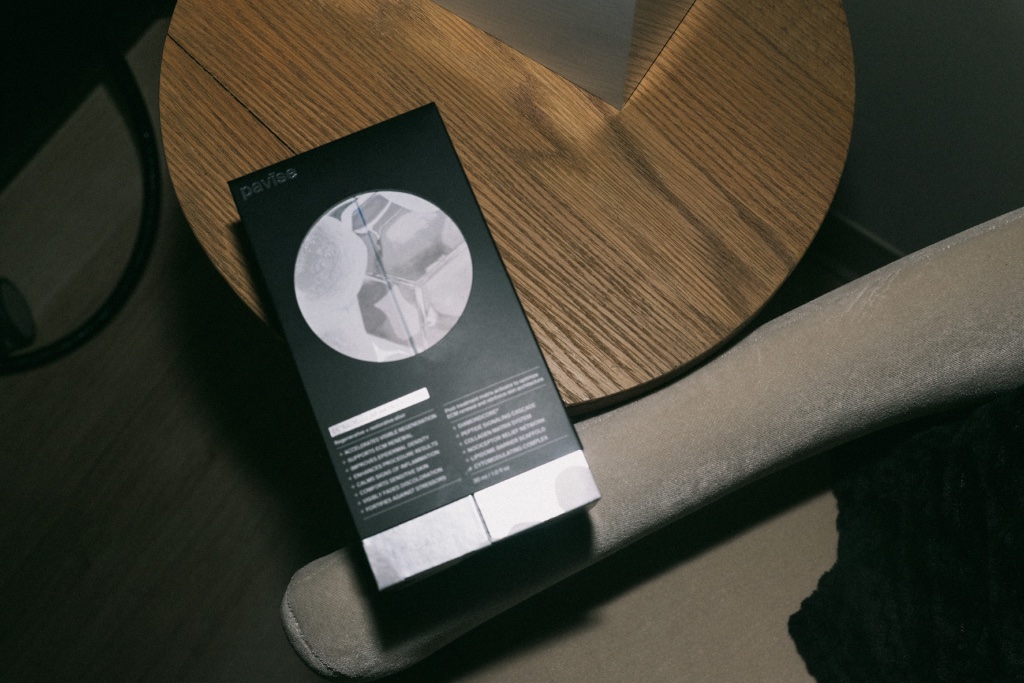
Pavise is part of JOLA's approach to daily skin defense — an advanced photoprotection product we trust for patients who take sun protection seriously. For a conversation about XERF and summer, the connection is straightforward: structural tightening and daily photoprotection are not competing priorities. They are complementary layers of a coherent skin strategy.
We do not make unsupported claims about Pavise extending XERF results, and this article is not a product advertisement. But daily, broad-spectrum, evidence-based photoprotection is fundamental to long-term skin health — and it matters for every patient considering any energy-based treatment, in any season. Explore Pavise at JOLA and the Pavise collection in the store.
What Do You Want to Treat This Summer?
EDUCATIONAL TOOL — NOT A TREATMENT RECOMMENDATION
This map is educational. The right treatment for your summer goals depends on a clinical assessment of your skin, concerns, history, and expectations — not on a self-selected pathway.
What Does "All Skin Types" Actually Mean?
Marketing language should not replace consultation. When a device is described as suitable for "all skin types," it means the technology's mechanism allows it to be considered across a broad range of complexions — not that every patient is automatically a candidate regardless of their individual circumstances. Even when a device is designed for broad skin-type use, treatment planning still considers anatomy, skin health, recent treatments, sun exposure, pigment history, medical history, active skin conditions, and expectations.
Broad suitability does not mean zero individualization.
Cynosure Lutronic describes XERF as customizable to adapt to each patient's unique skin profile. That is a meaningful statement about the device's design — but it is a starting point for a conversation, not a conclusion. The customization happens through provider judgment, informed by your individual assessment. "All skin types" describes the range of patients who can enter the conversation; it does not describe the range of patients for whom treatment is automatically appropriate without evaluation.
The Laser Specialist's Perspective
JOLA DALLAS / ENERGY-BASED TREATMENT PLANNING
Chey Cope, Laser Specialist at JOLA Dallas, approaches energy-based treatment planning with attention to individual skin characteristics, pigmentation history, treatment area, current sun exposure, previous procedures, treatment goals, skin condition, treatment category, recovery, and sequencing. The perspective is straightforward: the technology is the tool, but the assessment is the practice.
JOLA's approach to XERF — and to every energy-based device — considers diverse skin tones not as an afterthought but as an integral part of treatment planning. The device enters the conversation because its RF mechanism allows it; the individual assessment determines whether it is the right match for the patient in front of us.
CHEY COPE → JOLA DALLAS → LASER SPECIALIST → XERF → ENERGY-BASED TREATMENT PLANNING → DIVERSE SKIN TONES
Questions to Ask If You Have Deeper Skin Tone
These questions are not exclusive to patients with deeper skin tones — every patient benefits from asking them. But if you have been told certain treatments require additional consideration for your complexion, these are the questions worth raising during consultation.
- 01
What technology are we using?
- 02
Is this radiofrequency, laser, light, or something else?
- 03
Does my pigmentation history affect the plan?
- 04
Have I recently tanned or had significant sun exposure?
- 05
What is the treatment actually targeting?
- 06
Is pigment part of my concern or a separate issue?
- 07
What changes should I realistically expect?
- 08
What aftercare matters for my skin?
- 09
What symptoms or skin changes should prompt me to contact the practice?
- 10
How does this treatment fit with any pigment treatments I may also want?
Questions Every XERF Patient Should Ask in Summer
- 01
Is my current skin condition appropriate for treatment?
- 02
Does recent sun exposure matter?
- 03
What should I do before treatment?
- 04
What sun-protection guidance should I follow afterward?
- 05
Can I travel after treatment?
- 06
What if I have another skin treatment planned?
- 07
Is this treating firmness or something else?
- 08
What if I also have pigmentation?
- 09
How will we assess my response?
- 10
Is summer actually the right time for my overall treatment plan?
CURIOUS WHETHER XERF FITS YOUR SKIN AND GOALS?
EXPLORE XERF AT JOLASIGNATURE FRAMEWORK
Energy First. Season Second.
The season matters. But the treatment category and the patient matter more. This framework — define the concern, identify the energy, assess the skin, review history, select the treatment, plan aftercare, reassess — is how JOLA approaches every energy-based conversation, regardless of the month on the calendar.
Can You Get XERF in Summer? The Bottom Line
XERF is a radiofrequency treatment, not a laser. RF and pigment-targeting light technologies behave differently — radiofrequency does not rely on melanin absorption the way many laser and light-based procedures do. Cynosure Lutronic describes XERF as customizable across skin profiles, and the multifrequency monopolar RF mechanism allows the device to enter tightening conversations across a broad range of complexions.
But broad skin-type suitability does not eliminate individualized assessment. Skin tone is not the same as ethnicity. Current skin condition matters. Recent sun exposure should be disclosed. Photoprotection still matters — for every patient, in every season, across every skin tone. XERF should not be marketed as a pigment or melasma treatment without evidence, and patients with multiple concerns may need multiple treatment categories.
Summer itself is not a diagnosis or a contraindication. Treatment planning — not the calendar — determines whether XERF fits. Year-round does not mean without judgment.
The right question is not simply, "Can I get XERF in summer?" It is: "Is XERF the right treatment for my skin, my concern, my current sun exposure, and the result I actually want?"
Skin tone matters.
So does the technology.
Book a consultation-led assessment at JOLA Dallas to determine whether XERF is the right treatment for your skin, your concern, and your goals — in summer or any season.
BOOK A JOLA CONSULTATIONUNDERSTAND YOUR ENERGY OPTIONS

Frequently Asked Questions
JOLA DALLAS / XERF / RADIOFREQUENCY / ALL SKIN TONES / SUMMER