
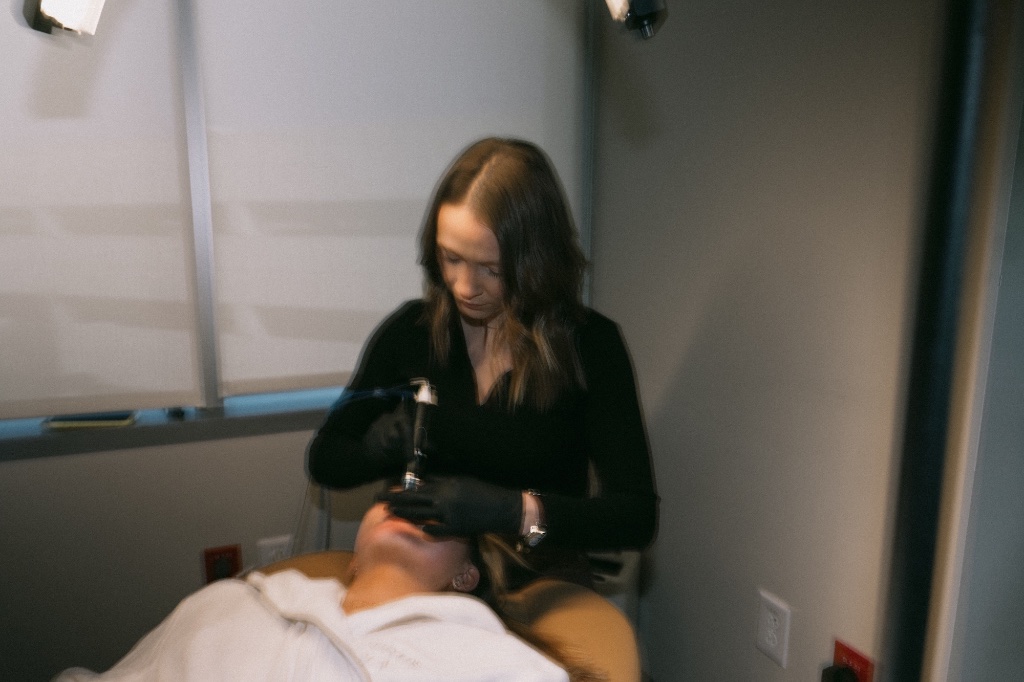
THE JOLA XERF GUIDE
Does XERF Melt
Facial Fat?
Understanding skin tightening, facial volume, and what actually matters before treatment.
SCROLL
01 / THE JOLA XERF ANSWER
Does XERF Melt Facial Fat?
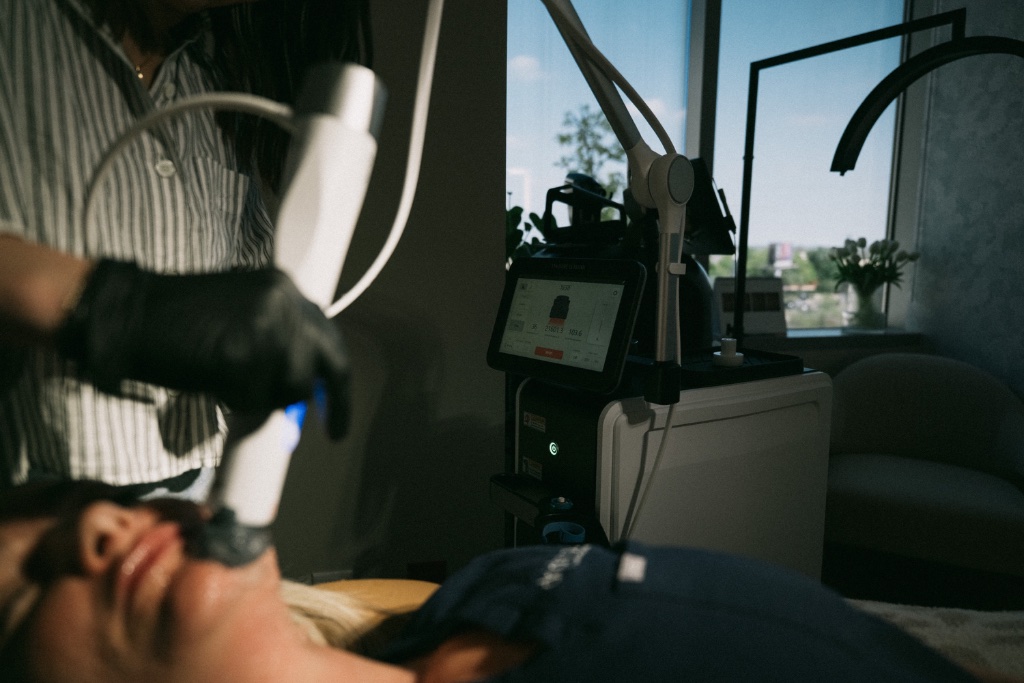
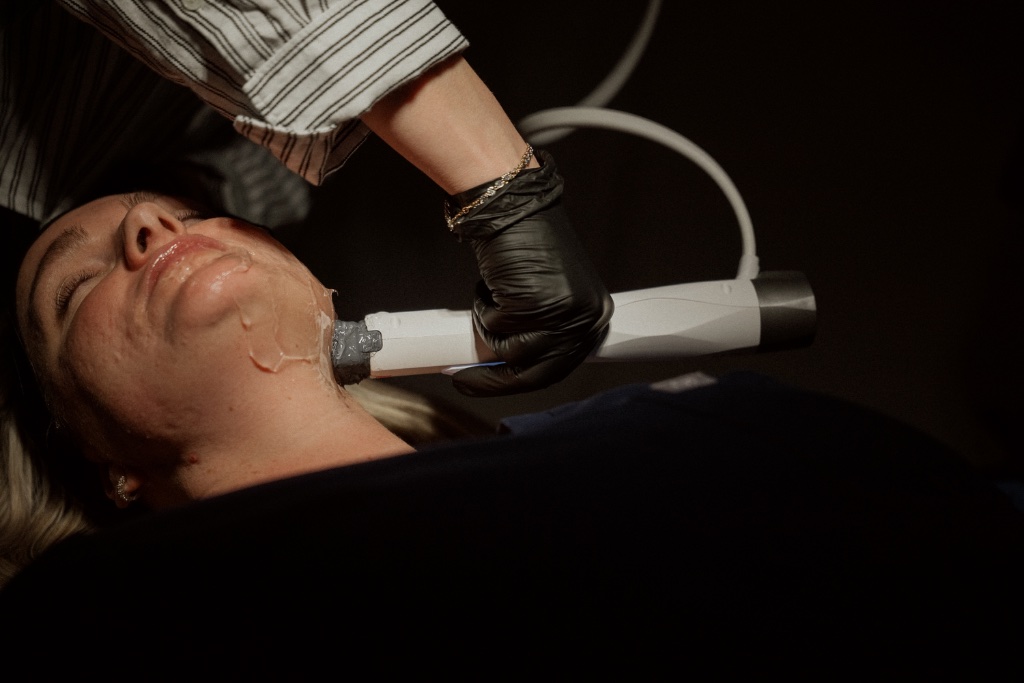
XERF is discussed as a skin-tightening treatment that uses radiofrequency energy to support collagen remodeling and structural skin firmness. It is not presented as a facial fat-reduction treatment. The concern about whether XERF melts facial fat arises because energy-based aesthetic treatments vary in their design, depth, parameters, and intended treatment effects—and because "radiofrequency" describes a broad energy category rather than a single uniform treatment.
Whether any energy-based treatment is appropriate for a particular face requires consideration of anatomy, existing facial volume, treatment area, tissue characteristics, device parameters, and treatment goals. Patients concerned about facial volume should discuss this specifically before treatment. At JOLA Dallas, treatment planning begins with assessment—not with a device recommendation.
The most responsible answer is not a simple yes or no. It is a conversation about anatomy, goals, and whether skin-tightening treatment is the right category for your face.
02 / WHY THE CONCERN EXISTS
Why Are People Worried About Facial Fat Loss?
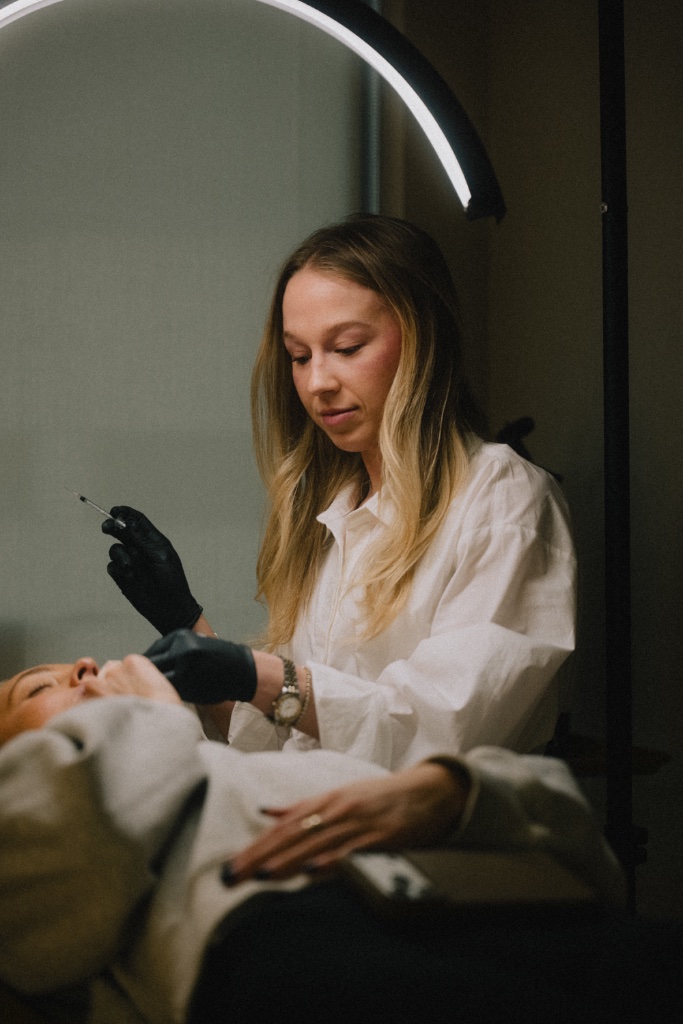
The question "does XERF melt facial fat?" has become common for several reasons. Patients in Dallas and Highland Park are more informed about facial anatomy than ever before. Social media discussions about energy-based devices have raised awareness—and in some cases, concern—about the relationship between heat-based treatments and facial volume.
Many patients have seen or heard about faces that look hollow, over-treated, or prematurely aged, and they want to understand whether the treatment they are considering could contribute to that. There is also genuine confusion between skin tightening and fat reduction—different treatment goals that involve different technologies, different biological targets, and different treatment planning.
Growing preference for preserving youthful facial structure has made patients more protective of facial volume. This is a positive development. Understanding what a treatment is designed to do—and what it is not designed to do—is essential to making an informed decision.
"Radiofrequency" describes an energy category. It does not mean every RF device has the same design, target, protocol, or intended treatment effect.
03 / THE ANATOMY MAP
Skin Is Not the Same Thing as Fat.
When patients ask about skin tightening, it helps to understand the layers of tissue that comprise the face. This is an educational concept, not a precise treatment-depth diagram.
EDUCATIONAL CONCEPT — NOT A TREATMENT-DEPTH DIAGRAM
LAYER 01
SKIN
The outermost layer of the face. Skin-tightening treatments are generally discussed in relation to this layer and its supporting architecture.
LAYER 02
SUPPORTING / CONNECTIVE TISSUE
Collagen and elastin framework beneath the skin. This is the layer where collagen remodeling is typically discussed.
LAYER 03
SUBCUTANEOUS FAT
Facial volume, contour, and cushioning. This layer contributes to youthful fullness and facial proportions.
LAYER 04
DEEPER FACIAL STRUCTURE
Muscle, bone, and foundational anatomy. These structures define the underlying framework of the face.
This diagram is an educational concept illustrating the layered structure of facial tissue. It is not a precise treatment-depth diagram and does not represent the specific penetration depth of any device. Treatment depth, parameters, and tissue interaction vary by device, settings, and protocol.
When patients say "tightening," "lifting," "contouring," and "fat loss," they may be describing completely different biological goals. Skin tightening addresses the outer layers—firmness, support, and collagen remodeling. Fat reduction targets a different layer entirely—subcutaneous adipose tissue. Understanding this distinction is the foundation of an informed treatment conversation.
04 / SKIN TIGHTENING VS FAT REDUCTION
Skin Tightening vs Fat Reduction
CARD 01
SKIN TIGHTENING
Skin-tightening treatments are designed to address firmness, support, and collagen-related remodeling. They target concerns like skin laxity, lower-face softening, and loss of structural firmness. The goal is to support the skin's architecture—not to reduce facial volume.
CARD 02
FAT REDUCTION
Fat-reduction treatments are designed to intentionally reduce adipose tissue. They may be used for body contouring or, in specific facial areas, for targeted volume reduction where clinically indicated. The goal is volume reduction—a fundamentally different objective from skin firmness.
THESE ARE NOT THE SAME GOAL.
Not sure if your concern is laxity or volume?
Explore Treatment Planning05 / WHY FACIAL FAT MATTERS
Facial Fat Isn't Something We Automatically Want to Lose
Facial volume contributes to youthful contour, cheek support, temple appearance, the under-eye transition, facial proportions, and overall harmony. As we age, facial fat naturally diminishes and redistributes. This volume loss is one of the primary reasons faces appear older—not just because of wrinkles or skin laxity, but because the underlying structural support has changed.
This is why indiscriminate volume loss could be undesirable in certain faces. A face that is already lean may not benefit from any treatment that could potentially affect volume. A face with age-related volume loss may need restoration, not reduction.
"Tighter" does not automatically mean "better." A face can be tight and hollow. A face can be firm and volume-deficient. The goal of aesthetic medicine is not maximum tightness—it is harmony, proportion, and natural-looking results that respect the patient's anatomy. This connects directly to JOLA's approach to facial balancing. Before recommending a tightening treatment, JOLA evaluates whether the face has adequate volume to support the result.
06 / THE LEAN-FACE QUESTION
What If I Already Have a Thin Face?
Patients with naturally lean faces, temple hollowing, midface volume loss, prominent bone structure, age-related volume changes, or previous aggressive treatments may need a more detailed consultation before proceeding with any energy-based treatment.
These characteristics may influence treatment planning. A naturally thin face may have less subcutaneous fat to begin with, which means the conversation about tightening and volume is different from a patient with more facial volume. A patient with existing volume loss may benefit more from restoration than from tightening. A patient with prominent bone structure may have different aesthetic goals than a patient with a rounder face.
This is exactly what an in-person consultation should evaluate. Online content cannot determine who is or isn't a candidate—only a provider who can see your face, assess your anatomy, and understand your goals can make that determination. Patients with naturally lean faces should not assume that skin-tightening treatment is off the table, but they should expect a more nuanced conversation about whether it is the right category.
07 / THE JAWLINE
Can You Tighten the Jawline Without Making the Face Look Hollow?

Jawline softness can come from multiple factors: skin laxity, facial structure, chin projection, volume distribution, soft tissue changes, and neck anatomy. Because the causes differ, the treatment should match the cause.
If jawline softening is primarily due to skin laxity, an energy-based tightening treatment may be appropriate. If the softening is due to volume loss or structural changes, tightening alone may not address the concern—and in some cases, could make the face appear more hollow if the underlying volume isn't adequate.
XERF may enter the conversation when skin firmness and structural support are part of the jawline concern. For patients specifically interested in this area, JOLA offers dedicated resources on XERF for jawline tightening. However, jawline treatment should be planned in the context of the whole face—not as an isolated treatment on a single area. This is why facial balancing is often part of the conversation.
08 / THE NECK
What About the Neck?
Neck concerns are not identical to facial volume concerns. The neck may involve skin laxity, texture changes, loss of support, anatomical structure, submental fullness, or muscle-related concerns. Each of these may lead to a different treatment recommendation.
A patient whose neck concern is primarily skin laxity may be a candidate for an energy-based tightening treatment. A patient whose concern is submental fullness may need a different approach entirely. A consultation should distinguish among these before recommending treatment. For patients interested in XERF for neck tightening, JOLA offers dedicated resources to help understand whether this treatment category is appropriate.
09 / SETTINGS AND TECHNIQUE
The Device Is Only Part of the Treatment
Treatment planning involves patient selection, treatment area, device settings, tissue characteristics, clinical judgment, treatment goals, and sequencing. The device itself does not determine the treatment outcome—the provider does.
Settings matter. Treatment area matters. Tissue characteristics matter. A treatment performed on one patient may not be appropriate for another, even if the same device is used. This is why protocols vary and why treatment should be individualized rather than standardized.
This article does not disclose procedural settings or create a DIY treatment protocol. Treatment parameters should be discussed during consultation with a qualified provider who can assess your anatomy and recommend appropriate settings for your specific goals.
THE MACHINE DOES NOT ASSESS YOUR FACE.
THE PROVIDER DOES.
10 / PROVIDER JUDGMENT
Why Provider Judgment Matters
Two patients asking for "jawline tightening" may have completely different anatomy.
Patient A
May primarily have skin laxity—the skin has lost firmness and an energy-based tightening treatment may be appropriate.
Patient B
May have structural imbalance—the jawline appears soft because of how the face is proportioned, and tightening alone will not address the concern.
Patient C
May have facial volume loss—the lower face looks less defined because volume has diminished, and restoring volume may be more appropriate than tightening.
Patient D
May have a combination of these factors, requiring a staged approach.
Same complaint does not mean same treatment. This is why a consultation is essential before any treatment decision. A provider who evaluates anatomy, skin quality, volume, and goals can determine whether skin-tightening treatment is the right category—or whether a different approach would better serve the patient.
This is also why provider judgment matters more than the device name. A skilled provider knows when to treat, when to wait, when to recommend a different category, and when to say no. For more on this philosophy, read about why provider judgment matters and how JOLA approaches treatment planning.
11 / XERF + FILLER
Can You Have XERF If You Already Have Filler?
Many aesthetic patients have histories involving multiple treatment categories. Treatment planning should consider filler location, treatment timing, previous procedures, anatomy, treatment goals, and sequencing.
There is no universal timing interval that applies to every patient. Some treatments may be performed in close proximity. Others may require separation to allow tissue recovery or to avoid interference. The appropriate sequencing depends on the specific treatments, the areas involved, and the patient's individual anatomy.
Patients should disclose their full treatment history—including all fillers, biostimulators, and energy-based treatments—during consultation. This allows the provider to design a plan that accounts for existing treatments and sequences new ones appropriately. An individualized plan matters. Learn more about injectables and facial balancing at JOLA.
12 / XERF + SCULPTRA
What About XERF and Sculptra?
XERF and Sculptra belong to different treatment categories. XERF is discussed in the context of skin firmness and structural support through radiofrequency energy. Sculptra involves collagen biostimulation and structural treatment planning through injectable biostimulatory material.
Selected patients may have both categories incorporated into a staged plan. For example, a patient with both skin laxity and volume loss may benefit from XERF to address firmness and Sculptra to address volume, sequenced appropriately. However, combination treatment does not mean everything should happen simultaneously.
Sequencing and timing matter. Some treatments may complement each other when performed in a specific order. Others may need to be separated by weeks or months. The appropriate plan depends on the patient's anatomy, goals, and treatment history. Read more about XERF and Sculptra together and biostimulatory treatments.
13 / DECISION GUIDE
Do You Need Tightening or More Volume?
This is educational, not a diagnostic tool. The only way to determine which path is appropriate is through consultation.
14 / REPLACEMENT QUESTIONS
Can XERF Replace Filler?
No treatment should be presented as universally replacing another treatment category. XERF and dermal filler address different concerns. XERF addresses skin firmness and structural support through radiofrequency energy. Filler addresses volume loss through injectable material. One does not automatically substitute for the other. Some patients benefit from both categories in a coordinated plan. Presenting one as a replacement for the other oversimplifies the treatment conversation and can lead to unrealistic expectations.
Can XERF Replace a Facelift?
Non-surgical skin-tightening technologies and surgery are different treatment categories. They have different indications, different capabilities, different recovery profiles, and different expected degrees of change. Non-surgical tightening is designed to support skin firmness and collagen remodeling. Surgery addresses anatomical structures—repositioning tissue, removing excess skin, and restructuring the face in ways that energy-based treatments cannot replicate. Patients with significant laxity may require a surgical consultation if their desired outcome exceeds what non-surgical treatment can reasonably provide. Presenting non-surgical tightening as equivalent to surgery is misleading and does not serve the patient.
Curious about XERF?
Explore XERF at JOLA16 / A LASER SPECIALIST'S PERSPECTIVE

Chey Cope
Laser Specialist / JOLA Dallas
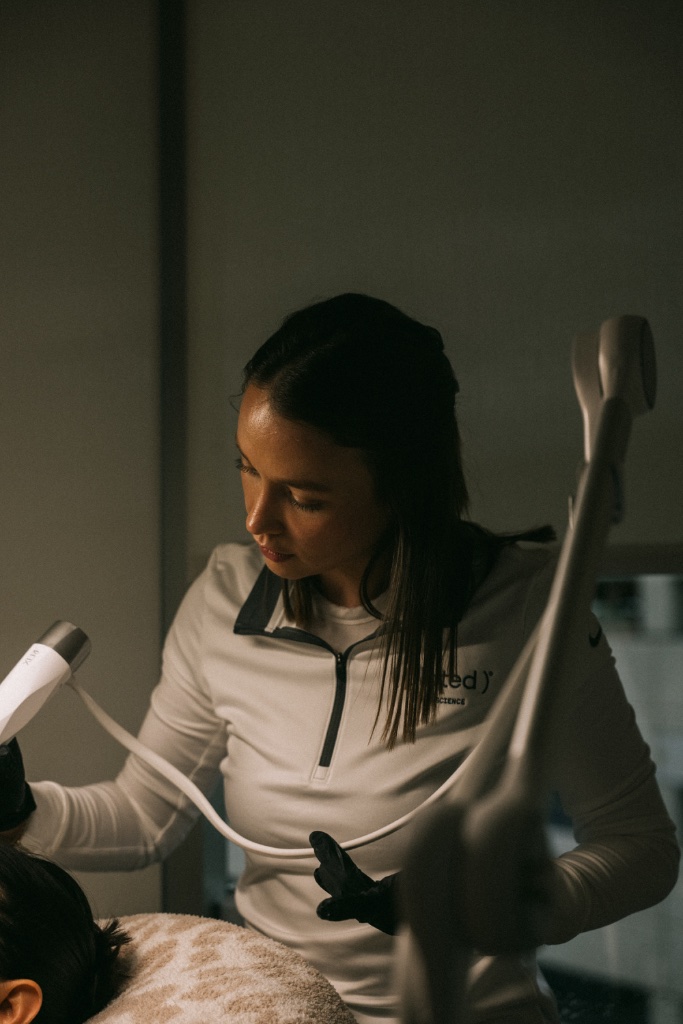
Energy-based treatment planning at JOLA considers skin quality, facial structure, existing volume, treatment history, patient goals, other procedures, and long-term planning. Rather than beginning with a device, the assessment begins with the concern and works backward to the appropriate technology.
For verified information about our providers' roles and qualifications, please contact JOLA Dallas directly or visit the about page.
17 / QUESTIONS TO ASK
Before Your XERF Appointment, Ask:
What is actually causing the change I see?
Is my concern skin laxity, volume loss, or both?
Do I already have areas of facial hollowing?
Which areas are you planning to treat?
What outcome is realistic for my anatomy?
Should another treatment category be considered instead?
How does my previous filler or biostimulator history affect the plan?
How will we evaluate my result over time?
18 / WHO MAY WANT A MORE DETAILED CONSULTATION
Who May Want a More Detailed Consultation?
01
THE NATURALLY LEAN FACE
Patients with less subcutaneous fat to begin with may need a more nuanced conversation about whether skin-tightening treatment is the right category.
02
THE PATIENT WITH EXISTING VOLUME LOSS
Patients who have already experienced age-related or treatment-related volume loss may benefit more from restoration than from tightening.
03
THE PATIENT WITH PREVIOUS FILLER
Patients with existing filler should disclose their full treatment history so sequencing and treatment area can be planned appropriately.
04
THE PATIENT CONSIDERING SCULPTRA
Patients interested in both tightening and biostimulatory treatment may benefit from a staged plan rather than simultaneous treatment.
05
THE PATIENT CONCERNED ABOUT JAWLINE LAXITY
Jawline softening has multiple causes. Understanding whether the concern is laxity, structure, or volume is essential before treatment.
06
THE PATIENT WHO WANTS TO AVOID MORE VOLUME
Patients who specifically do not want additional volume should discuss whether skin-tightening treatment can address their concern without adding fullness.
07
THE PATIENT WHO HAS HAD OTHER ENERGY-BASED TREATMENTS
Previous energy-based treatments may influence treatment planning. A full history allows the provider to design an appropriate plan.
19 / WHEN XERF MAY NOT BE THE ANSWER
When XERF May Not Be the Answer
A consultation may determine that the primary concern is better addressed through a different treatment category. Good aesthetic medicine includes knowing when not to use a device.
Facial Balancing
Dermal Fillers
Sculptra
Biostimulatory Treatments
Neuromodulators
Skin Rejuvenation
Laser Treatments
Surgical Consultation
In some cases, the most appropriate recommendation may be no treatment at all. This is not a failure of the consultation—it is the point of it.
20 / THE JOLA APPROACH
Preserve What Works. Treat What Doesn't.
At JOLA Dallas, treatment planning follows a specific philosophy:
Do not chase maximal treatment
Preserve facial identity
Consider volume before tightening
Consider skin before adding volume
Consider structure before treating a symptom
Use consultation to determine category
Stage treatment when appropriate
Reassess before adding more
The goal is not to convince every patient to get XERF. The goal is to make JOLA the source they trust when deciding whether XERF is appropriate. Learn more about JOLA's treatment philosophy and how JOLA approaches treatment planning.
21 / THE BOTTOM LINE
So, Does XERF Melt Facial Fat?
XERF is discussed as a skin-tightening treatment that uses radiofrequency energy to support collagen remodeling and skin firmness. It is not presented as a facial fat-reduction treatment. However, concerns about facial fat loss arise broadly around energy-based aesthetic treatments because different devices, settings, depths, and treatment targets can behave differently.
Skin tightening and intentional fat reduction are different treatment goals with different biological targets. XERF belongs to the skin-tightening category, not the fat-reduction category. Patients concerned about facial volume should discuss this specifically before treatment.
The most responsible answer is not a simple yes or no. It is a conversation about anatomy, existing facial volume, treatment goals, and whether skin-tightening treatment is the right category for your face. Provider assessment is essential. The right treatment starts with the right question—not with a device recommendation.
The right treatment starts
with the right question.
Book a JOLA ConsultationCONTINUE EXPLORING XERF



FAQ