
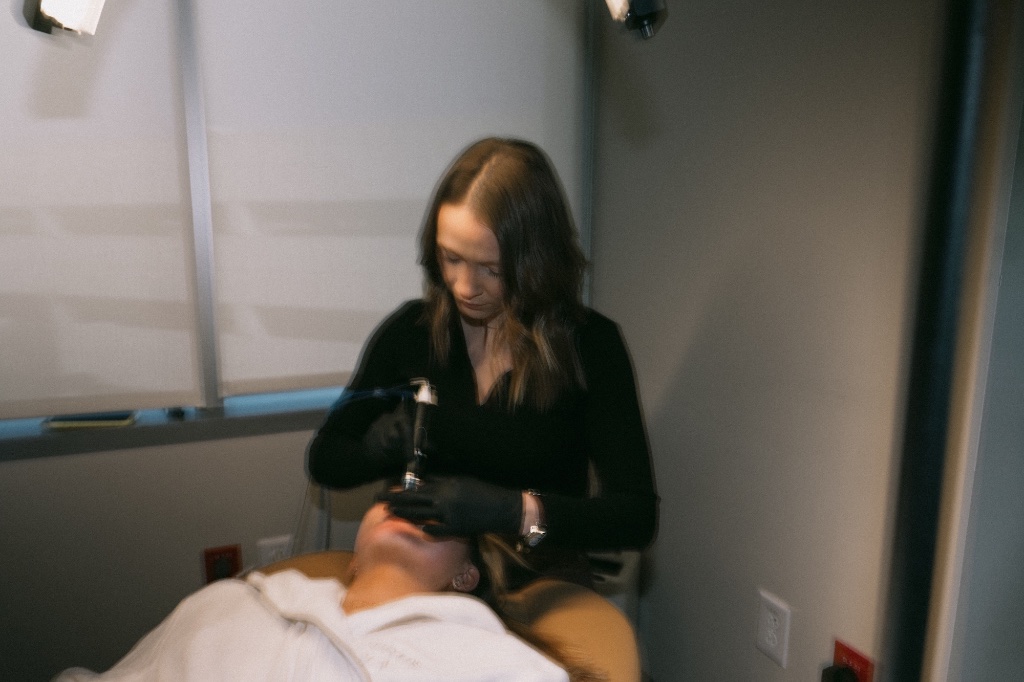
JOLA DALLAS — LOOK REFRESHED NOT TREATED / WHERE TO START
Many patients in Dallas and Highland Park are interested in aesthetic treatment but do not want to look obviously altered. They are not asking for bigger lips, sharper cheeks, or a more dramatic jawline. The goal they describe most often is simpler and more refined: to look refreshed, not treated. Refreshed means the face still looks like the patient, but better supported, better rested, more polished — quietly elevated rather than obviously changed. It means the skin looks healthier, the features feel more harmonious, and the overall impression is of someone who has been resting well, not someone who has had work done.
The challenge is that refreshed does not come from a single product. It comes from understanding what makes a face look tired in the first place — and then choosing the right category of treatment to address it. That might be skin rejuvenation, neuromodulators, dermal fillers, XERF skin tightening, or a staged combination. At JOLA Dallas, where to start depends on diagnosis, not trends — and the answer is found through consultation-led care that evaluates the whole face before recommending any treatment at all.
This article explains what it means to look refreshed, not treated, why many patients start in the wrong place, what usually comes first, and how JOLA Dallas decides where to begin.
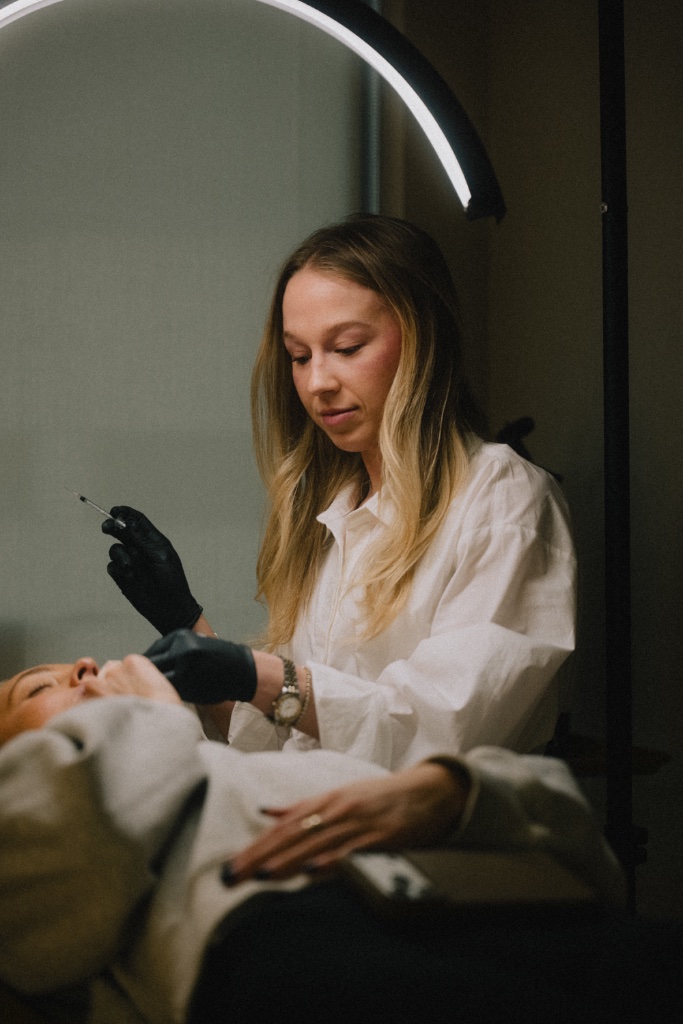
What "Refreshed, Not Treated" Actually Means
To look refreshed, not treated means the face still looks like the patient. Expression still feels believable — the face moves naturally, and nothing reads as frozen, overfilled, or pulled. The skin looks healthier and more polished, with better tone, texture, and luminosity. The features feel more supported rather than exaggerated — the jawline is a little more defined, the cheeks are a little more present, the under-eyes are a little less hollow — but the proportions have not changed in a way that announces intervention.
The result reads as rested, balanced, and quietly elevated. Friends and colleagues may notice that something is different — that the patient looks better, more rested, more like themselves — but they cannot identify what was done. That quality, the inability to pinpoint the treatment, is the hallmark of the refreshed-not-treated outcome. It is the difference between looking like you had something done and looking like you simply look better.
"Refreshed means the face still looks like the patient — but better supported, better rested, and more polished. The result reads as quietly elevated, not obviously changed. That quality is the hallmark of natural-looking aesthetics."
At JOLA Dallas, this outcome is achieved through consultation-led diagnosis, full-face assessment, and selecting the right category of treatment — whether skin, movement, structure, or tightening — rather than defaulting to a single product or trend. The goal is not to make the face look treated. It is to make the face look better held, better supported, and more rested.
Why Many Patients Start in the Wrong Place
Patients often focus on one feature instead of the whole face. They look in the mirror and see a line, a fold, or a hollow — and they assume that treating that specific feature will resolve the overall impression of tiredness. But what looks like a lip issue may actually be facial balance. What looks like a filler issue may actually be skin quality or support. What looks like tiredness may come from under-eyes, midface, movement, skin, or lower-face softening — or from a combination of several of these.
Starting in the wrong category can make the result look more treated than refreshed. Filler placed in a feature that was actually a balance issue creates fullness without resolution. Neuromodulators used where the issue was skin quality softens movement but does not address dullness or texture. Skin treatments performed where the issue was structural support improve the surface without addressing the architecture beneath it. In each case, the treatment is not wrong in itself — it is simply applied to the wrong concern, and the result reads as intervention rather than refreshment.
This is why the question of where to start is not a matter of preference — it is a matter of diagnosis. Knowing whether the face needs tightening, filler, or both — or whether it needs skin work, movement softening, or structural support — requires a provider who can read the face as an integrated system. Patients who want to look refreshed, not treated need a plan, not a product.
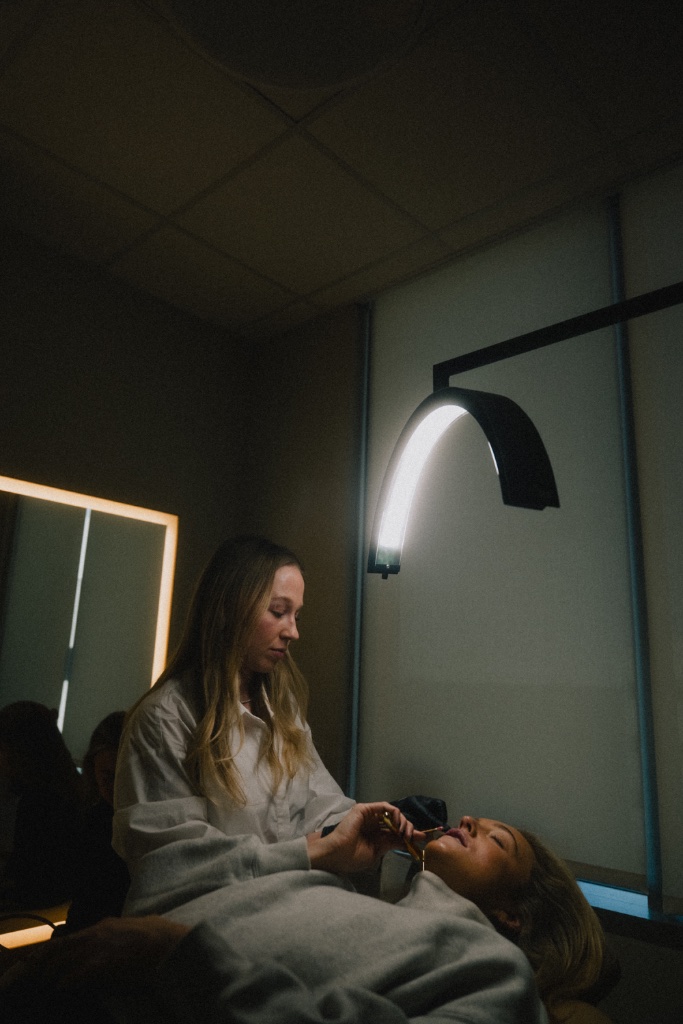
The Main Reasons a Face Starts to Look Less Refreshed
A face looks less refreshed for specific, identifiable reasons — and understanding them is the first step toward choosing the right treatment. The categories below are the most common sources of the tired, less-supported impression that brings patients to JOLA Dallas.
01
Movement and Expression
Strong muscle patterns create tension, heaviness, or lines that make the face look more tired or strained than it feels.
02
Under-Eye Fatigue
Hollowing, dark circles, or volume loss under the eyes signals exhaustion — even when the patient is well rested.
03
Skin Quality and Texture
Dullness, roughness, dehydration, or uneven tone make the face look less vibrant and less healthy.
04
Lower-Face Softening
Jawline blur and neck laxity make the face look less supported, which reads as fatigue rather than volume loss.
05
Structural Volume Changes
Deflation in the temples, cheeks, or midface changes the architecture of the face, creating a tired or hollowed impression.
06
Overall Facial Imbalance
When features lose proportional harmony, the face looks less rested — even if no single area is dramatically changed.
JOLA DALLAS — NATURAL-LOOKING AESTHETICS DALLAS
Movement and Expression
Strong muscle patterns in the upper face — the forehead, the glabella between the brows, the crow's feet area — can create tension, heaviness, or lines that make the face look more tired or strained than it feels. These movement patterns deepen over time, etching lines that persist even at rest. Conservative neuromodulator treatment can soften that impression by relaxing the muscles that create it — not freezing the face, but reducing the intensity of expression so the upper face reads as calmer and more open. This is especially relevant for patients who want to look refreshed, not treated, because subtle upper-face refinement is often the most invisible category of treatment.
Under-Eye Fatigue
Hollowing, dark circles, or volume loss under the eyes signals exhaustion — even when the patient is well rested. The under-eye area is one of the first places the face shows fatigue, because the skin is thin and the structural support beneath it diminishes early. Under-eye rejuvenation — whether through dermal fillers, PRF, or a combination — can restore support and reduce the tired impression. But it must be done with restraint, because the under-eye is also one of the easiest areas to overcorrect. The goal is to look less tired, not obviously filled.
Skin Quality and Texture
Dullness, roughness, dehydration, or uneven tone make the face look less vibrant and less healthy — and this is often the most overlooked source of the less-refreshed impression. The skin is the face's visible surface, and when it lacks luminosity or smoothness, the whole face looks more fatigued, regardless of structure or volume. HydraFacial, medical-grade facials, chemical peels, microneedling, and skin health programs can each address specific aspects of skin quality. For many patients, better skin changes the whole impression without adding any volume at all.
Lower-Face Softening
Jawline blur and neck laxity make the face look less supported, which reads as fatigue rather than volume loss. The lower face is where laxity manifests most visibly — the jawline becomes less crisp, the skin under the chin softens, and the transition between face and neck becomes less defined. This is a firmness issue, not a volume issue, and it is often best addressed with structural skin tightening rather than filler. XERF is a relevant option here, because it supports the frame of the face without adding fullness.
Structural Volume Changes
Deflation in the temples, cheeks, or midface changes the architecture of the face, creating a tired or hollowed impression. The face does not look loose — it looks less full, less structurally supported from within. This is where dermal fillers, Sculptra, or biostimulatory treatments may be the right starting point — because the issue is volume and structure, not skin quality or movement.
Overall Facial Imbalance
When features lose proportional harmony — when the midface flattens while the lower face softens, or when the temples hollow while the jawline blurs — the face looks less rested, even if no single area is dramatically changed. Facial balancing addresses this by evaluating the face as a whole and treating the areas that will restore proportional harmony. The goal is not to change each feature individually — it is to restore the relationships between features, so the face reads as balanced and supported.

What Usually Comes First: Skin, Structure, or Movement?
There is no universal first step. The face is not a template, and the treatment that refreshes one patient may overtreat another. Some patients need neuromodulators first, because strong movement patterns are the primary source of the tired impression. Some need skin quality work first, because dullness and texture are what make the face look less vibrant. Some need structural support or facial balancing first, because hollowing or imbalance is the main concern. Some need a combination plan staged over time, because multiple categories are contributing to the overall impression.
The first step should be based on what most affects the overall impression of the face. A patient whose skin is dull and rough will not look refreshed by filler alone — the dullness will persist. A patient whose jawline has blurred will not look refreshed by neuromodulators alone — the lower-face softening will remain. The right first step is the one that addresses the concern producing the most fatigue in the overall impression — and identifying it requires a provider who evaluates the whole face, not just the feature the patient happens to notice first.
This is what it means to look refreshed, not treated: starting with the right category, not with the most popular one.
01
SKIN
Dullness, texture, dehydration, tone.
02
MOVEMENT
Tension, heaviness, expression lines.
03
STRUCTURE
Volume, contour, hollowing, balance.
04
SUPPORT
Firmness, lower-face, jawline, neck.
05
XERF
Structural tightening without volume.
06
SEQUENCING
Priority first, reassess, then refine.
07
REFRESHED OUTCOME
The right tool for the actual concern.
JOLA DALLAS — CONSULTATION-LED DECISION PATH
When Skin Is the Right Place to Start
If the face looks dull, tired, rough, dehydrated, or uneven, skin may be the first priority. Skin rejuvenation and collagen is the category that addresses the quality, tone, texture, and luminosity of the skin itself. Better skin often changes the whole impression without adding volume — the face looks brighter, smoother, and more vibrant, and the tired impression diminishes even though no structural change has been made.
Within this category, JOLA Dallas offers HydraFacial for deep cleansing and instant glow, medical-grade facials for targeted correction, chemical peels for texture and tone renewal, microneedling for collagen stimulation, and skin health programs for long-term maintenance. Custom skincare — including products from Pavise and Plated — supports the results of in-office treatment and extends them between visits.
For patients who want to look refreshed, not treated, skin is often the most invisible starting point — because improving skin quality produces change that reads as health, not intervention.
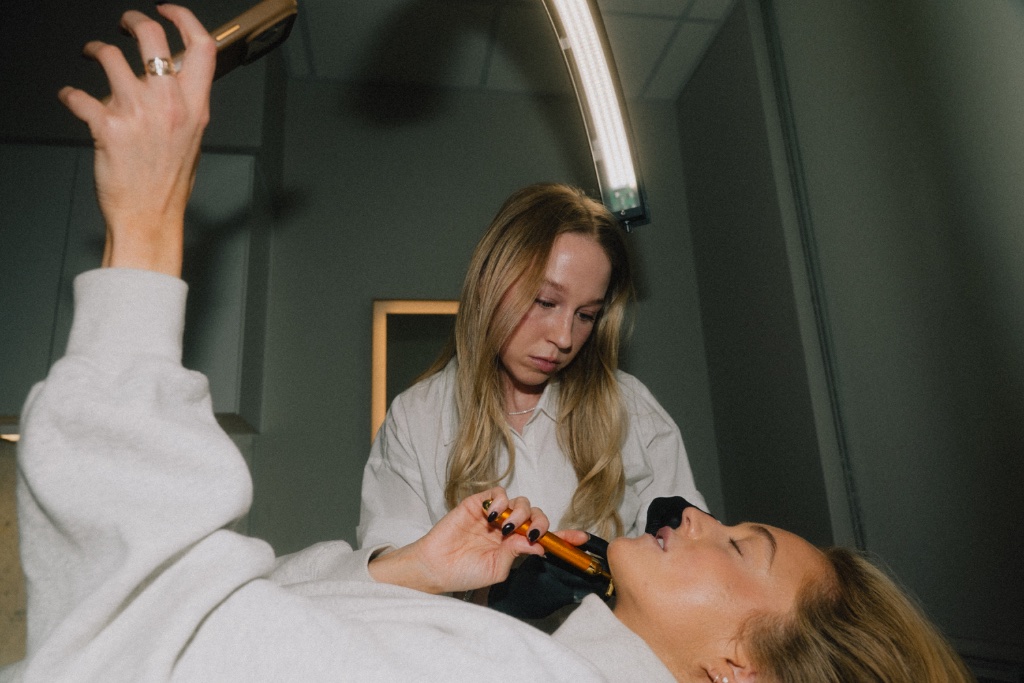
When Movement Is the Right Place to Start
Strong movement patterns can make the face look more tired, tense, or heavy. Deep forehead lines, glabellar furrows, or active crow's feet create the impression of strain — even when the patient feels calm. Conservative neuromodulator treatment — whether Botox or Dysport — may soften that impression by reducing the intensity of the muscle activity that creates it.
This is especially true when the goal is subtle upper-face refinement. The objective is not to freeze expression — it is to reduce the lines and tension that make the upper face look heavy, so the face reads as calmer, more open, and more rested. When movement is the primary source of the tired impression, neuromodulators can be the fastest and most elegant path to looking refreshed. And because the result is subtle, it supports the refreshed-not-treated goal naturally.
When Structure or Support Is the Right Place to Start
Some faces need support, not brightness alone. If the issue is hollowing, imbalance, or loss of structure, support may matter more than a surface treatment. Dermal fillers restore targeted volume — in the cheeks, temples, under-eyes, or jawline — and when placed with restraint and full-face thinking, they produce results that look natural rather than obvious. Facial balancing ensures that wherever filler is placed serves the whole face, not just one feature.
Sculptra and other biostimulatory treatments stimulate collagen production over time, rebuilding the skin's structural foundation rather than adding volume directly. For patients whose concern is diffuse rather than localized, biostimulatory treatment may be more appropriate than traditional filler. Under-eye rejuvenation addresses the specific fatigue signals of hollowing and dark circles. Jawline and chin sculpting, and temple restoration each address structural deficiency in specific areas where support has been lost.
When the architecture beneath the skin has changed — when the face looks deflated rather than loose — structure is the right place to start. And when structural support is restored with restraint, the result reads as refreshment, not treatment.
Why XERF May Be the Right Starting Point for Some Patients
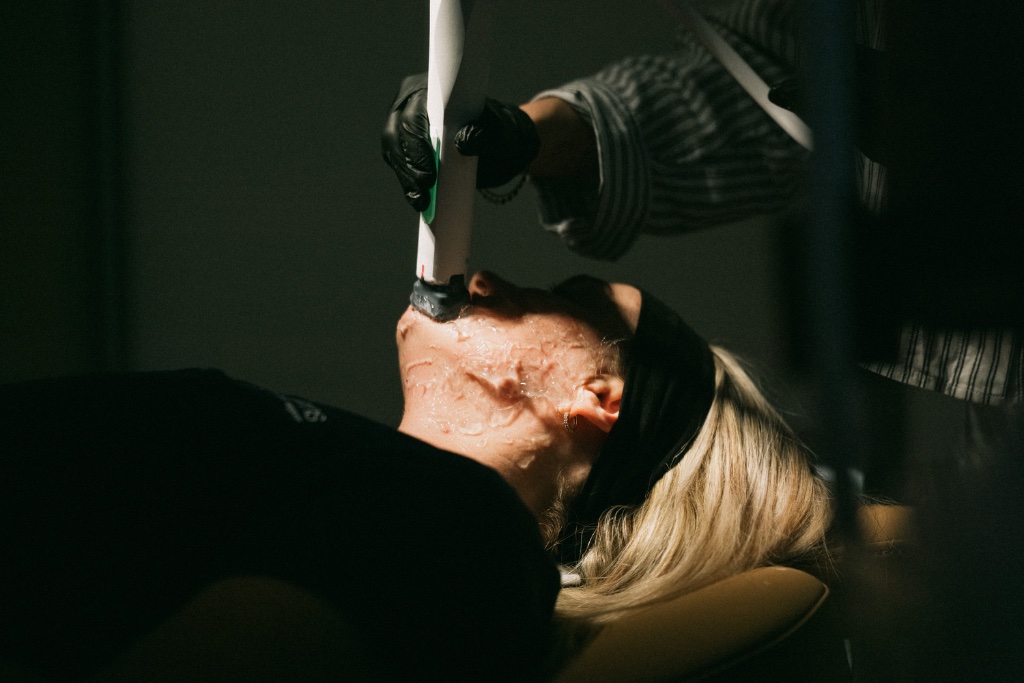
Some patients do not primarily need more volume. They may need structural skin tightening, lower-face support, or a more refined jawline and neck transition. For these patients, XERF fits into the refreshed-not-treated conversation because it may support the frame of the face in a quieter way. XERF uses multifrequency monopolar radiofrequency energy to stimulate collagen remodeling at depth — supporting structural firmness without adding volume, without needles, and without downtime.
For selected patients, XERF may be a more elegant first step than adding filler. If the face does not look hollow — if it looks less supported, with a blurred jawline or softened neck — then tightening, not volume, is the right category. Understanding what XERF is is essential to understanding why it belongs in this conversation. Jawline tightening, neck tightening, and the timeline for XERF results are all relevant considerations for patients evaluating whether structural tightening is the right starting point.
XERF supports the refreshed-not-treated goal because it produces change that reads as firmness, not fullness. The face looks more supported and more defined — and because no volume has been added, the result is inherently subtle. For the right patient, XERF is the first step that makes the face look refreshed without looking treated at all.
Why Refreshed Usually Comes From a Plan, Not One Random Treatment
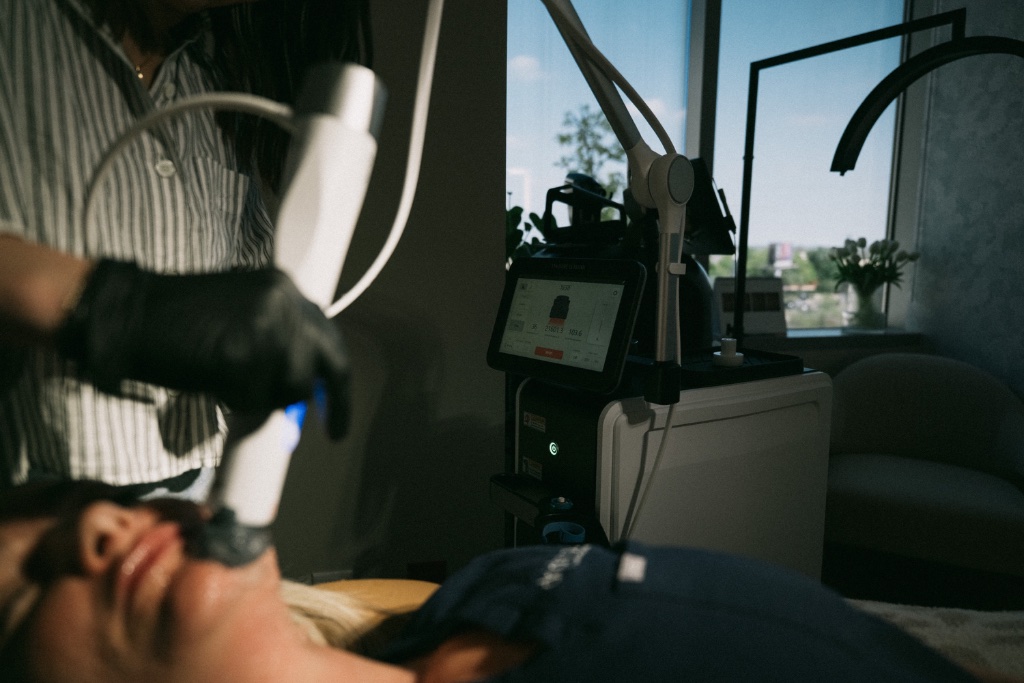
Sometimes the face needs one category. Sometimes it needs a staged plan. Refreshed results often come from deciding what matters most first — and then building from there. A patient whose primary concern is skin dullness may start with a skin health program and discover that the refreshed impression they wanted came from better skin alone. A patient whose primary concern is jawline softening may start with XERF and find that tightening resolved the tired impression without the need for filler.
Other patients need more. They need skin work, neuromodulators, structural support, and tightening — but not all at once. Treatment planning is what keeps the work believable. The provider identifies the priority, treats it first, reassesses, and then determines whether the next category is still needed. This sequencing is what prevents overcorrection and what allows each treatment to be evaluated on its own merits. Subtle results often take more than one appointment — because the provider needs to see how the face responds before committing to more.
Planning is what keeps the work believable. A plan built on diagnosis, sequencing, and restraint is what produces a result that reads as refreshment. A plan built on impulse — on trying everything at once — is what produces a result that reads as treatment. For patients who want to look refreshed, not treated, the plan is the product.
How JOLA Decides Where to Start
At JOLA Dallas, the decision of where to start is made through consultation-led care. The provider does not begin with a treatment — they begin with an assessment. A full-face and full-skin evaluation examines every feature in context, no area in isolation. The provider evaluates skin quality, movement patterns, structural support, contour, and the relationships between features.
The assessment identifies the main fatigue signal — the concern that, when addressed, will produce the most meaningful improvement in the overall impression of the face. From there, the provider decides whether the first priority is skin, movement, structural support, or tightening. The plan may be singular — one category, one treatment — or it may be staged over time, with the first treatment reassessed before the second is considered.
JOLA also says no to unnecessary treatment. If the face does not need filler, JOLA does not recommend filler. If the face does not need tightening, JOLA does not recommend tightening. Saying no is part of what produces a refreshed, natural-looking result — because restraint is what prevents the face from looking overdone. The goal is not to do everything. The goal is to do the right thing.

Why This Approach Looks More Luxurious
Quiet refinement usually reads as more sophisticated. The best aesthetic work often does not announce itself — it simply makes the face look better held, better supported, and more rested. Looking refreshed is usually the result of editing: choosing the right category, treating the right concern, and knowing when to stop. What makes a result look expensive is not the product or the device — it is the judgment behind the choice.
JOLA's philosophy is not to make the face look treated, but to make the face look better held, better supported, and more rested. The art of restraint — choosing less when less is what the face needs — is what separates a refreshed result from a treated one. The natural look is not a trend. It is a philosophy, and it is the one JOLA practices.
Patients who want to look refreshed, not treated are usually patients who understand that luxury is not about more — it is about the right amount. The right treatment in the right amount, placed with restraint and sequenced with patience, is what produces a result that reads as sophisticated, natural, and quietly expensive.
How This Reflects JOLA's Broader Philosophy
The refreshed-not-treated approach is not a single treatment — it is a reflection of JOLA's broader philosophy. Consultation-led care. Anatomy-first assessment. Full-face and full-skin evaluation. Treatment planning that prioritizes diagnosis over trend. And the willingness to say no when the face does not need more.
Treatment planning at JOLA is built on the understanding that the face is an integrated system — and that the right plan addresses the system, not just one feature. Facial balancing ensures that whatever treatment is chosen serves the whole face. Laser treatments, injectables, skin rejuvenation, and XERF are each tools — and the art is in knowing which tool to use, when, and how much. Why JOLA is not about a single product or device. It is about a philosophy of care that produces results no one can pinpoint — because they simply look like you, refreshed.
Clinical fluency — the ability to read the face accurately, diagnose the right concern, and choose the right category of treatment — is what makes this philosophy possible. It is the standard JOLA Dallas holds, and it is the reason patients who want to look refreshed, not treated trust JOLA with their care.
Begin With a Consultation at JOLA Dallas
If you want to look refreshed, not treated — the first step is a consultation. Your plan will be built on full-face assessment, anatomy-first thinking, and the willingness to choose the right category for the actual concern. That is how natural-looking results are created.